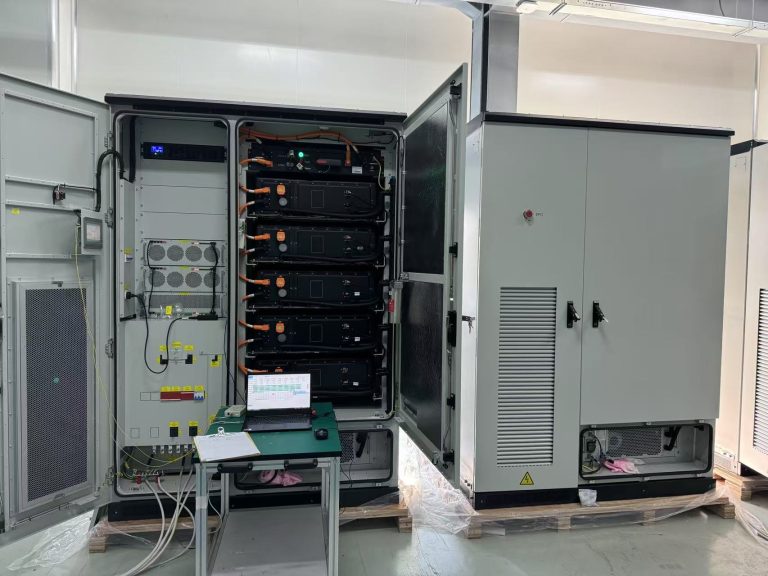
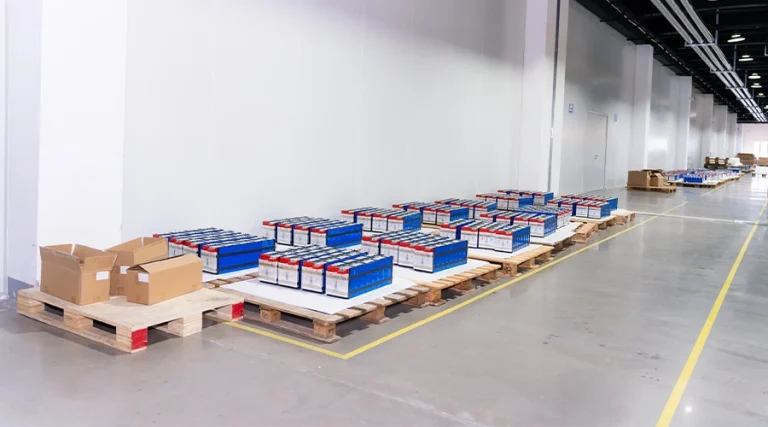
Defined Operating Function of All Factory Solar Backup Power First, think about what the plant needs to do during an outage: safely shut down a process; maintain materials in state; keep control and communications working (to some extent); or carry on with a designated production function. Then they will track down all of the devices that are required for this role. A priority list that only puts the biggest machines at the top can overlook small supporting loads whose functionality underpins everything.
There is no specific list of factory equipment that should continue receiving power. The definition of a right scope depends on the process, implications due to interruptions and time taken for response. Before finalizing the entire solar system and its battery size, agree on these criteria. The requirements should be agreed upon before choosing a complete solar system with the capacity of its battery.
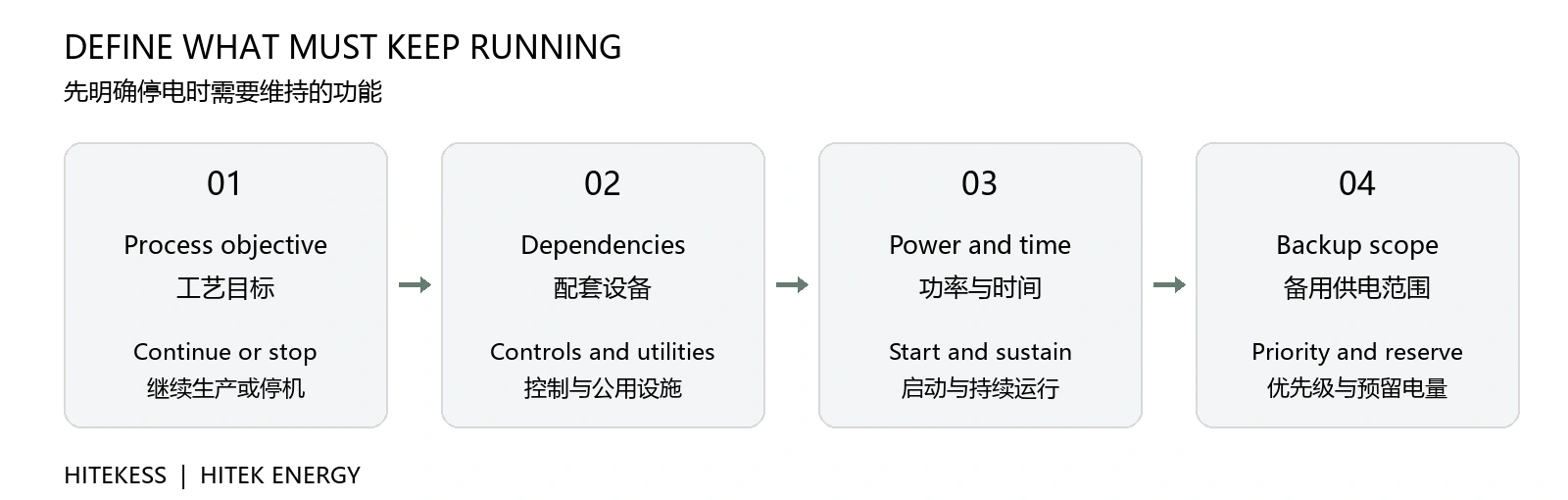
Define the outcome before naming the equipment
Each step in the process must be discussed by production, maintenance and electrical staff. Document for each backup function, power loss response + clarification on the permissible duration of interruption and preservation state achievable before normal supply returns (or some other point). For each of the proposed backup function, document what happens on power loss and record how long a non-supply is acceptable for (and which specific condition must be maintained until normal supply returns.
These questions distinguish three goals from one another. A controlled shutdown may only require enough power to stop or cool equipment. This will have to be achieved by cooling some amount of time in intermittent as required, too preserve the material. It may take a complete chain of machines and more utilities to carry on production. The lack of a duty for all three “critical loads” makes it hard to assess the backup scope.
Life safety and legally required emergency systems require separate assessment by the responsible specialists under applicable local requirements. Do not assume that a general industrial solar system can replace their prescribed power arrangements.
| Operating objective | Possible supporting loads | Requirement to establish |
| Controlled shutdown | Controls, lubrication or cooling where the process requires them | The sequence and time needed to reach a safe stopped condition |
| Preserve materials | Refrigeration, circulation and temperature monitoring | Acceptable process conditions and the required holding period |
| Maintain oversight | Essential controls, communications and monitoring | Interruption tolerance and dependencies on other equipment |
| Continue selected production | The chosen line plus its utilities and downstream equipment | Complete process scope, running demand and restart conditions |
The examples are discussion prompts, not an equipment priority ranking for every factory. A cooling pump may be indispensable in one process and unnecessary in another.
Trace dependencies beyond the main production machine
Consider a hypothetical packaging line. If the controller loses power, compressed air is down or the downstream conveyor cannot discharge finished goods then keeping its main machine alive may achieve little. If the process requires temperature control, there may be equipment that is also within backup scope. If maintaining temperature is a process step, that equipment could also fall within the scope of backup.
TIP: Always Map these dependencies before loads are added into the design. Select common utilities carefully : one line often needs a compressor that is common for all departments. So the engineering team has to decide if that utility can run in a degraded state, whether there is enough benefit or it makes sense to have shed equipment arrangements established or continuing production / connection may be unacceptable during an out-of-service period of time.
That’s why you often need a defined operating scope for the use case of commercial and industrial energy storage. Planning is conducted using the entire function and its supporting devices, or units. While this might be a list of machine ratings as such, it gives no indication whether that function would effectively remain available. Having a list of ratings by individual machines does not say whether that function will actually still be available
Separate interruption tolerance from backup duration
One query could ask the operator to provide backup data for two hours while, during a small delay in being able to clean back up your process state destroys it (think controller). These are different problems. Backup duration refers to the length of time that backup power can be provided. Interruption tolerance tells you how long it can go without supply before the process is affected. That interruption tolerance is how long it can be without supply before process gets affected
Note both requirements for every function Some sensitive controls might need a continuity arrangement, and their transfer behavior is checked with the needed equipment. Having outage operating mode does not guarantee that your solar storage system gives you uninterrupted power. Do not fall into the trap of thinking that a solar storage system is actually non-stop as long as it has an outage operating mode.
The assumption of grid supply during the time-frame which is a feature that should not be provided by any conventional grid connected solar system for about this amount used as cover to times with zero, or implemented without in support. For proper outage operation, power systems should be provided with a design that is both isolatable from the grid (e.g. also called “islandable”) and includes sources to set local voltage and frequency in addition to adequate protection & controls. The function must be supported by the selected equipment and its approved configuration.
Check running demand and the restart sequence
Collect measured operating power when available, along with the operational duration and equipment information needed to start for each approved load group. Average running power can be misleading as single or average values fail to capture motor starting and other simultaneous restart demands. Electrical design must also take apparent power, power factor and phase loading into account as appropriate.
Write down the intended sequence. Production machine reboot may need supporting controls and infrastructure to be available Certain loads may need to be deferred; others could even have to stay disconnected for the duration of a fault event. It should be based on the specific equipment and process needs, not a universal command to restart everything.
Examine the entire power path and battery. Hybrid solar system configuration (illustration of how PV, batteries and power conversion & monitoring are parts of the whole) from HITEKESS However, backup capability depends on the configuration as well where load assessment is also necessary since a operating capacity alone does not guarantee backup capability.
Set a realistic energy reserve and operating endpoint
For non-variable loads, power x operating time is a basic estimate of the energy delivered to that load. This is the nameplate capacity that the battery does not require. Selection is also influenced by usable capacity, conversion losses, system auxiliary consumption and allowable state of charge & expected operating conditions. Selection is also influenced by parameters including Usable capacity, conversion losses, system auxiliary consumption allowable state of charge and predicted operating conditions
Suppose you have a constant load of 20 kW, if we need to supply it for two hours then the required energy supplied is:40kWh This calculation does not include losses and auxiliary loads, assuming that the running power stays constant. It does not prove that a 40 kWh battery can deliver what is being requested. It does not show that a 40 kWh rated battery could actually supply said service.
Output ranges when close to its operating limit It could also choose a lower priority activity for stopping, before energy is required to shut down the EPU safely. When the system is operating but during an outage — solar production represents a variable. It is possible to understand if the proposed reserve will meet agreed goals without a favorable weather outcome through means of an evening case (namely zero solar usage for 420% or balancer + green investment hour) and low production cases.
Give the design team a process based backup schedule
4 → Prepare a load schedule, which indicates name of the function, all downstream equipment dependent on it (or vice versa), operating power as well as starting requirements for over 50 percent intact operation duration at any temperature & humidity level and even with an indication who approves process conditions? Identify which activities might cease, and determine what will need a graceful wind down. If any activity can cease, and which should be phased down orderly
Mention that schedule via project assessment and technical assistance prior to final apparatus choice. If the battery will also be used for day-to-day energy management, a specification of how much backup available (in kWh) must always remain is included and explanations on priorities for competing operating needs. If the battery will also be used to meet daily energy management needs, indicate how much stored usable power needs to remain available for backup use and how competing operating priority situations.
الأسئلة الشائعة
Should the largest machines receive priority
The process consequenceWhich are important depends on the A low circulation or control load may actually be more important to an agreed outage objective than a large machine that can influence it without shutting down. A small control or circulation load, that is less important to the agreed outage target than a large machine where stopping it will not affect this.
Can solar backup keep the entire factory operating
It may be technically possible for a suitably engineered project, but whole factory operation greatly broadens the load and dependency assessment. Establish the required functions first, then assess feasibility and system capacity.
Can daytime solar guarantee a longer backup period
No fixed extension should be assumed. Available sunlight, system operating limits and load changes affect the contribution. Evaluate the agreed outage scenarios with realistic solar assumptions.
Define the backup scope with HITEK ENERGY
Basic Example For HITEKESS factory solar backup power proposal process priority list; Dependency map, load schedule and outgate objectives Talking with HITEK ENERGY around your backup requirements can help you design a full solar system, built about the functions that need to be maintained at your plant. Talk to HITEK ENERGY about what you need from a backup, and we will design an entire solar equipment around the functionalities your plant will want power for while it is out of service.
هيتيك للطاقةسS TOP SELLING SOLAR BACKUP POWER SYSTEM
- أنظمة الطاقة الشمسية التجارية من هايتك، بقدرات 30 كيلوواط/ساعة، 50 كيلوواط/ساعة، 100 كيلوواط/ساعة، و200 كيلوواط/ساعة، خارج الشبكة، مع نظام تخزين الطاقة الشمسية، ومجموعة ألواح الطاقة الشمسية الهجينة.
نموذج: HT100KW-HY
- نظام الطاقة الشمسية المتكامل من هايتك، الأفضل في مجال الطاقة المتجددة، بقدرة 250 كيلوواط، يعمل بنظام العاكس، مناسب للأنظمة المستقلة عن الشبكة، والأنظمة المتصلة بالشبكة، والأنظمة الهجينة بقدرات 50 كيلوواط، 100 كيلوواط، 150 كيلوواط، و250 كيلوواط. يشمل النظام ألواحًا شمسية متكاملة.
الموديل: HT250KW-HY
- نظام تخزين طاقة شمسية متكامل من هيتك بقدرات 150 كيلوواط، 200 كيلوواط، و250 كيلوواط، مع محول هجين ونظام تخزين بطاريات ذكي. مجموعة كاملة بقدرة 250 كيلوواط مع نظام إدارة بطاريات ذكي.
الموديل: HT250KW-HY
- Hitek Bess LiFePO4 Battery 48V 512V High Voltage Energy Solar Power Systems 50kw 80kw 100kw 120kw 150kw off Grid Hybrid Full Set Solar System 150 Kw
نموذج: HT150KW-HY
- هيتيك حاويات النظام الشمسي 100kw 250kw 500kw النظام الشمسي الهجين مع 500kwh 1mwh بطارية الليثيوم 500kw 1MW بطارية الطاقة الشمسية نظام تخزين الطاقة سعر
نموذج: HT500KW-HY
- All in One Bess 20FT Container Price 150kw 180kw 200kw 250kw 500kw off Grid Hybrid Solar Energy System Battery Storage Container for Industry
الموديل: HT-500/1000-EC