Switching to solar power at home brings real changes. Picture a family in a sunny suburb cutting their monthly bills by half, thanks to panels on the roof. Yet the upfront cost often stops people cold. Understanding what shapes the price of a home solar system helps make sense of quotes and spot good deals. Costs have dropped over the years, but they still vary widely based on several elements. This post breaks them down step by step, drawing from industry patterns seen across different regions.
Many homeowners start by checking averages. National figures show systems running between $15,000 and $35,000 before incentives. But your actual number depends on specifics like house size and energy needs. Let’s dive into the main influences.
System Size and Capacity Needs
The scale of your setup plays a big role. Larger homes with high electricity use need more panels and gear, pushing costs up.
Think about a three-bedroom house using 900 kWh monthly. A 6 kW system might cover that, while a bigger place could require 10 kW or more. Each extra kilowatt adds roughly $2,500 to $3,000 to the bill. Home solar system size factors tie directly to your usage patterns—appliances, AC units, or electric vehicles all factor in.
Energy audits reveal these details. They measure consumption and suggest the right capacity. Without one, you might overspend on unneeded power or fall short during peak times.
Costs also shift with efficiency ratings. Higher-rated components capture more sun in less space, but they come at a premium. This leads into equipment choices.
Equipment Types and Quality
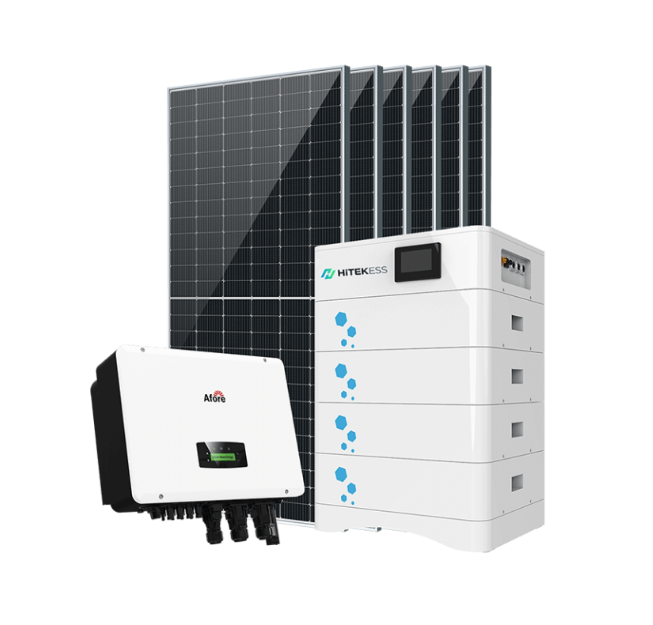
Not all solar gear is equal. The parts you pick heavily sway the total.
Panels come in different efficiencies—standard ones convert about 15-18% of sunlight, while premium types hit 20-22%. That difference means fewer panels for the same output, saving on installation. Inverters, which change DC to AC power, vary too. String inverters cost less but work best on unshaded roofs, whereas microinverters handle shade better at a higher price.
Then there’s storage. Adding batteries boosts the cost of home solar with battery, often by $10,000 or more. Lithium options stand out for their advantages: they charge fast, hold more energy in compact spaces, last longer with thousands of cycles, and run efficiently with minimal losses. Compared to older lead-acid types, they need little upkeep and discharge deeper without damage—up to 80-90% versus 50%.
A quick comparison:
| عامل | بطاريات الليثيوم | بطاريات الرصاص الحمضي |
| عمر | 10+ years | 5-7 years |
| Efficiency | 90-95% | 75-80% |
| Maintenance | منخفض | عالية |
This table shows why many choose lithium for long-term value, even if upfront costs sting.
Quality matters for durability. Cheaper imports might fail sooner in harsh weather, leading to repairs. Reliable manufacturers focus on tested components that withstand elements, cutting future headaches.
Location ties into this, as regional conditions affect what equipment suits best.
Location and Sunlight Availability
Where you live changes everything. Sunny spots like the Southwest get more bang per panel than cloudy areas up North.
Regional factors affecting home solar prices include sunlight hours—called insolation. A home in Arizona might need fewer panels than one in Seattle for the same energy output. This directly cuts material costs.
Local rules add layers. Permitting fees range from $200 to $1,000, higher in strict zones. Labor rates fluctuate too: installers in urban California charge more than in rural Midwest towns. Grid connection fees can tack on extras if your utility demands upgrades.
Weather plays a part. Hail-prone areas call for tougher panels, bumping prices. Coastal homes face salt corrosion, needing specialized mounts.
Incentives often offset these. Federal tax credits cover 30% of costs, but state rebates vary—some offer thousands back, others little. Checking local programs early shapes your budget.
This connects to how complex the install gets.
Installation Complexity and Labor
No two roofs are alike. Flat, south-facing ones make easy work, while steep or shaded spots complicate things.
Factors influencing solar installation cost start with roof type. Asphalt shingles allow quick mounting, but tile or metal requires special brackets, adding $1,000 or more. Structural checks might uncover needed reinforcements, like for heavy snow loads.
Shade from trees or buildings means extra optimizers or rewiring. Ground-mounted systems avoid roof issues but dig into yards, raising labor bills.
Crew experience counts. Skilled teams finish faster, but they cost more per hour—$50 to $100 typically. A full install takes 1-3 days, depending on size.
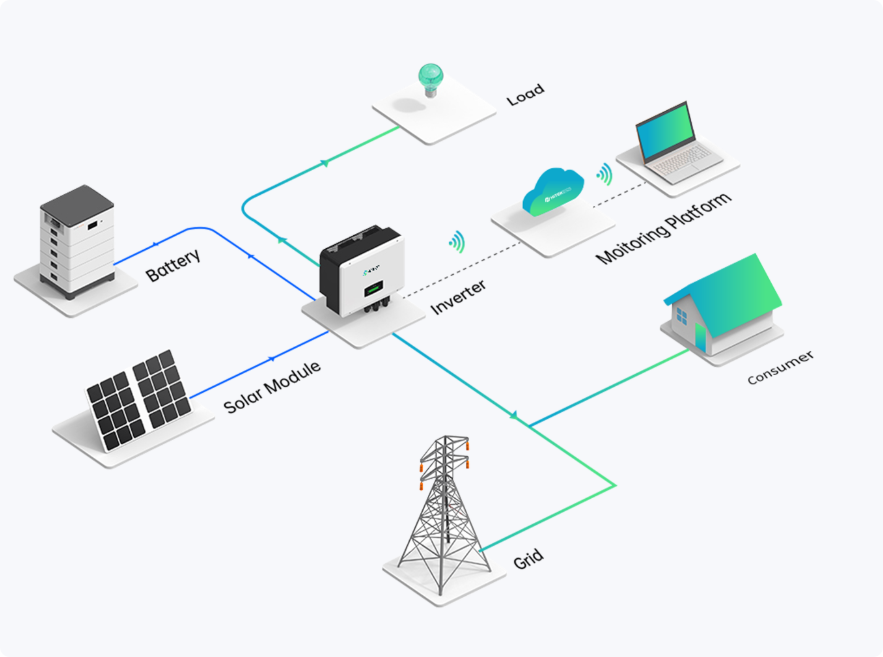
Add-ons like monitoring apps or smart integrations push totals higher. These let you track output in real time, spotting issues quick.
Batteries tie in here too. They store excess power for nights or outages, reducing grid reliance. In blackout-prone areas, this setup slashes bills by 80-90% and cuts carbon emissions sharply. During peaks, stored energy avoids high rates.
Explore options at our products page for components that fit various setups.
Incentives, Financing, and Market Trends
Money-saving programs make solar more reachable. They can slice 20-50% off totals.
Solar panel price determinants include rebates and credits. The federal ITC alone returns thousands. Some utilities pay for excess power fed back, via net metering.
Financing affects perceived costs. Loans spread payments, with interest rates from 4-7%. Leases let you pay monthly without owning, but own setups build equity.
Market shifts matter. Panel prices fell 89% since 2010, thanks to tech advances. Supply chain issues can spike costs temporarily, though.
Rising energy rates make solar pay off faster—ROI in 6-10 years common. A family saving $1,500 yearly sees quick returns.
For tailored advice, visit our services section to see how we support projects from start to finish.
These elements combine to set your final price. Weighing them helps avoid surprises.
Introducing HITEK ENERGY CO.,LTD
As a dedicated home solar system manufacturer, هيتيك الطاقة المحدودة stands out in the renewable field. Based in China with factories in Jiangsu and Anhui, HITEKESS designs and produces lithium batteries, modules, and full energy storage systems. These serve residential, commercial, and industrial needs worldwide, with a focus on high-performance solutions that promote sustainability. With years of expertise, they deliver end-to-end support, from custom designs to integration, helping users cut costs and gain energy independence.
استنتاج
Grasping these factors that affect home solar system cost empowers better choices. From size and equipment to location and incentives, each piece fits into a bigger picture of savings and reliability. Solar not only trims bills but boosts home value and environmental impact. With costs dropping and tech improving, now’s a strong time to consider. Head to our homepage for more insights on making solar work for you.
الأسئلة الشائعة
Can regional factors affecting home solar prices change over time?
Yes, shifts in local incentives, energy rates, and material availability can alter costs. Sunny regions often see lower prices due to fewer panels needed, while policy changes like expanded tax credits make systems more affordable.
What home الشمسية system size factors should I consider for my house?
Look at monthly kWh usage, household appliances, and future needs like EVs. An audit helps size it right—too small wastes potential, too large inflates upfront costs without extra benefits.
How do solar لوحة price determinants impact long-term savings?
Higher initial quality leads to better efficiency and durability, cutting repair needs. Combined with incentives, this shortens payback to under 8 years, with lifetime savings often exceeding $50,000 in reduced bills.
HITEKESS BEST SELLING HOME SOLAR SYSTEMS
- High Quality Hybrid Solar Power Storage System 6kw10kw 12kw Panneau Solaire for House
نموذج: HT20KW-HY
- Ukraine Complete Set Solar Battery Storage Systems 10kw 15kw 20kw 30kw 20kVA 30kVA Hybrid Solar System with Lithium Battery for Home Use
نموذج: HT20KW-HY
- 3kw 5kw 10kw on Grid Home Potovoltaic Solar Power System 10kVA with PV Solar Panel Module Lithium-Ion Battery Solar Grid Tie Inverter
نموذج: HT10KW-ON
- Hitek 10kw 12kw 15kw 20 Kw 30kw 40 Kw 50 Kw on Grid Solar System Trine Prefab House Portable Solar Traker System Home 50kwp
Model: HT50KW-ON
- Hitek Complete Set 8kw Solar System Ongrid 5kw 8kw 10kw Home Power Solar System Price
نموذج: HT10KW-ON