Have you ever wondered what happens to all that sunshine hitting your roof on a bright day? For many homeowners and business owners, it’s not just free light anymore—it’s power waiting to be captured and used wisely. A solar energy storage system turns that potential into reality, letting you store extra energy for when you need it most. In this post, we’ll dive into how these systems operate, breaking it down so you can see if one fits your life. Whether you’re cutting bills at home or keeping operations smooth at work, knowing the basics can help you make smart choices.
The Basics of Solar Energy Storage
At its core, a solar energy storage system captures sunlight, turns it into electricity, and saves the surplus for later. This setup goes beyond simple Solarpanelen by adding storage, so you’re not just generating power—you’re managing it too. Think of it as a smart bank for energy. During the day, it collects what the sun provides. At night or on cloudy days, it dips into reserves to keep lights on and devices running.
These systems shine for people tired of high utility costs or worried about blackouts. They promote independence from the grid while cutting down on fossil fuels. But to grasp how they function, let’s look closer at the parts involved.
Key Components
Every solar energy storage system relies on a few main pieces working together. Here’s a quick rundown:
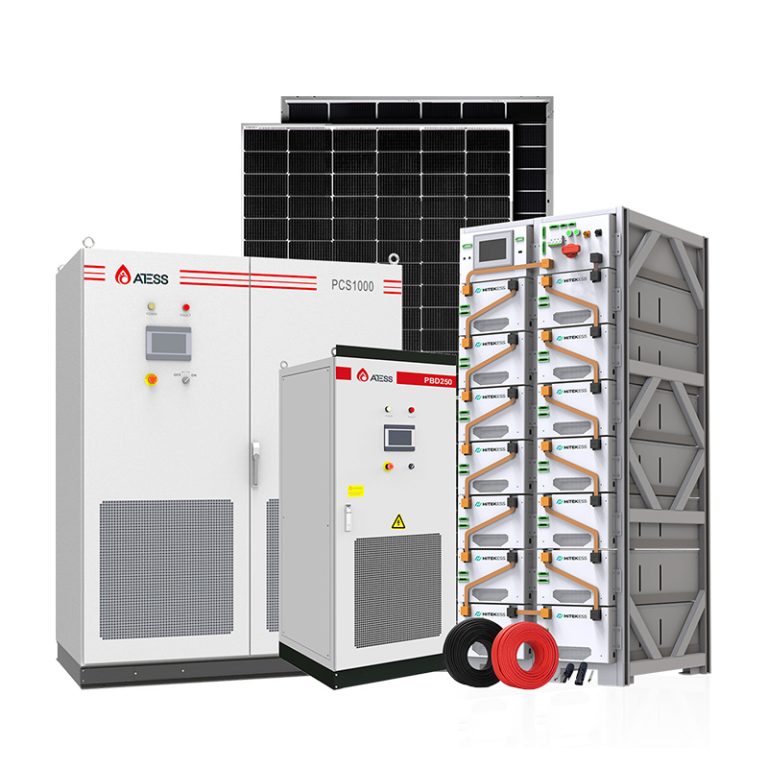
- Solar Panels: These flat devices on roofs or grounds absorb sunlight and create direct current (DC) electricity. They’re the starting point, pulling in free energy from the sky.
- Inverter: This box changes DC from panels into alternating current (AC), the kind your home or office uses. Hybrid inverters also handle storage, deciding when to send power to batteries or the grid.
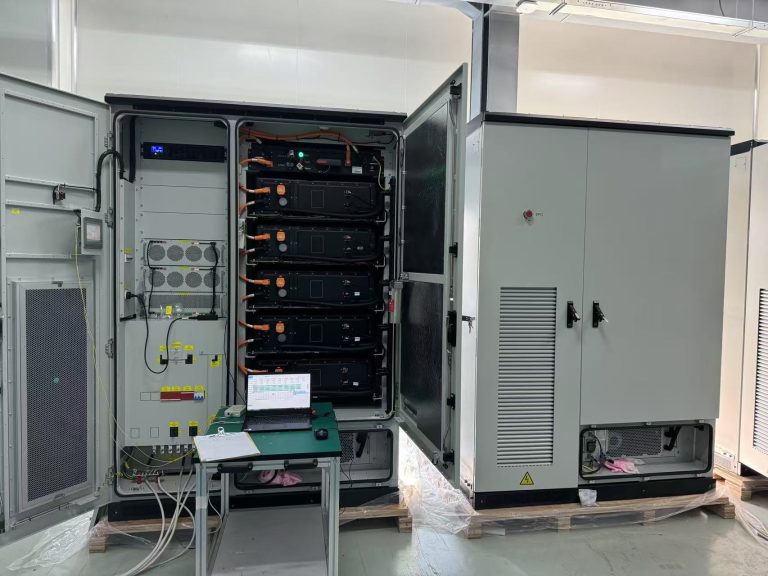
- Batteries: Often lithium-based for their reliability, these store extra energy. They hold charge efficiently, ready to release it when demand spikes.
- Management System: Like a brain, this monitors everything—energy flow, battery levels, and usage patterns. It ensures safety and peak performance.
Without these, you’d lose excess power back to the grid or waste it. Together, they create a seamless loop.
Step-by-Step: How the System Operates
Picture this: the sun rises, and your system springs to life. But how exactly does a solar energy storage system work? It boils down to a cycle of generating, converting, storing, and using power. Let’s walk through it.
The process starts simple but gets clever with tech. Sunlight hits the panels, exciting electrons to produce DC electricity. That raw power flows to the inverter. From there, choices happen based on your needs.
Generating and Converting Energy
Solar panels do the heavy lifting first. They convert sunlight into DC through photovoltaic cells—a quiet, clean process with no moving parts. On a sunny day, this can produce more than you use right away.
Next, the inverter steps in. It flips DC to AC for your outlets. In hybrid setups, it also checks battery status. If batteries are full and you’re not using much, excess might go to the grid for credits. This keeps everything balanced.
Storing Excess Power
Here’s where storage makes the difference. Extra DC heads to batteries via a charge controller, which prevents overcharging. Lithium batteries excel here because they handle deep discharges well, meaning you can use most of their capacity without harm.
Charging happens fast during peak sun hours. The system stores energy chemically, ready for release. This step turns intermittent sunlight into reliable power, bridging gaps when the sun dips.
Releasing and Using Stored Energy
When evening comes or clouds roll in, the system switches gears. The inverter pulls from Batterien, converting stored DC back to AC. Your home or business runs as usual—no flickers, no worries.
In smart systems, software predicts usage. It might save battery power for high-demand times, like running AC in summer. During outages, it isolates from the grid for safety, keeping critical loads on.
Interacting with the Grid
Not all systems stand alone. Many tie into the local grid for backup. When solar output drops, the grid fills in. Conversely, you might sell extra power back, earning credits that lower bills.
Hybrid models handle this smoothly, switching modes without you noticing. They even support expansion, adding more batteries as needs grow. This flexibility suits both small homes and larger operations.
Residential vs. Commercial Applications
How a solar energy storage system works can vary by scale, but the core ideas stay the same. At home, it’s about daily comfort and savings. In business, it’s often about reliability and cost control.
Home Use
For households, systems focus on ease. They power essentials like lights, fridges, and chargers. During peaks, stored energy avoids high-rate grid pulls. Setup is straightforward—panels on the roof, batteries in a garage or basement. You monitor via an app, seeing real-time savings.
Many families start small and expand. It cuts bills by 50% or more in sunny spots. Plus, it adds peace during storms.
Business and Larger Scale
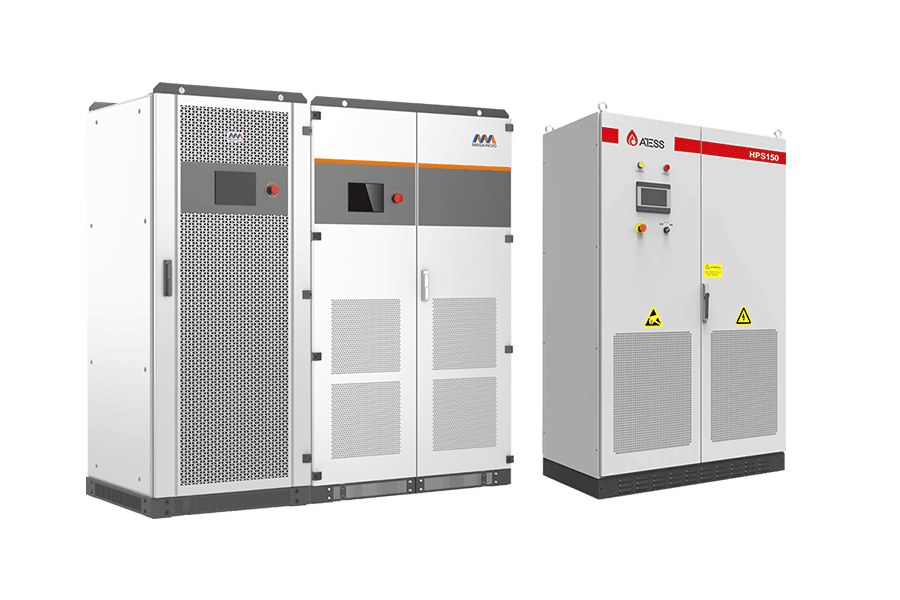
Commercial setups handle bigger loads, like offices or factories. They use advanced controls for balancing multiple sources. Storage smooths out demand spikes, avoiding fees.
These systems often include remote monitoring for teams. They integrate with existing grids, providing backup for hours or days. Scalability matters—modules stack as business grows.
In both cases, the system adapts to your patterns, making energy work for you.
Benefits and Drawbacks
Switching to solar storage brings clear upsides, but it’s good to weigh everything.
Here’s a table comparing key aspects:
| Aspect | Benefit | Drawback |
|---|---|---|
| Kosteneinsparungen | Lowers bills through self-use and credits | Higher upfront price |
| Reliability | Backup during outages | Depends on battery size |
| Environmental Impact | Reduces carbon footprint | Manufacturing uses resources |
| Maintenance | Low, with long-lasting parts | Occasional checks needed |
| Efficiency | High energy retention | Some loss in conversion |
Pros include independence and green living. Drawbacks? Initial costs sting, but incentives help. Over time, savings add up.
Challenges to Consider
No system is perfect. Weather affects output—less sun means more grid reliance. Batteries degrade over years, though lithium types last 10-15. Installation needs pros for safety.
Space matters too. Panels take roof area; batteries need cool, dry spots. Upfront planning avoids headaches.
Still, tech improves fast, making these hurdles smaller.
Schlussfolgerung
In the end, a solar energy storage system works by harnessing the sun’s power, storing it smartly, and delivering it when you need it. This setup not only saves money but builds resilience against rising costs and unstable grids. For anyone eyeing cleaner energy, it’s a step toward control and sustainability. As tech advances, these systems get even better, fitting more lives and businesses.
Treffen Sie HITEK ENERGY CO., LTD
Before wrapping up, let’s touch on a key player in this field. HITEK ENERGY CO., LTD stands out as a dedicated manufacturer of solar energy storage systems. With a focus on lithium battery tech and full systems, they drive innovation through research centers and patents. Their commitment to quality shows in certified production lines that deliver safe, consistent solutions for homes, businesses, and grids worldwide.
Häufig gestellte Fragen
How does a solar energy storage system work in simple terms?
It starts with solar panels catching sunlight to make electricity. An inverter changes it for home use, and extra goes to batteries for storage. When the sun’s down, batteries supply power, keeping things running smooth.
What makes lithium batteries good for solar energy storage systems?
They hold more energy in less space, charge quick, and last longer than older types. This means reliable power without frequent swaps, ideal for daily use.
Can a solar energy storage system work off-grid?
Yes, in full setups with enough panels and batteries. It handles all needs independently, though many mix with the grid for backup on low-sun days.
How long does stored energy last in these systems?
It varies by battery size and usage, but typical home systems provide hours to days of backup. Smart management stretches it further by prioritizing key loads.
Is installing a solar energy storage system worth it?
For most, yes—especially with falling costs and incentives. It cuts bills, adds security, and supports green goals, paying off over time.
HITEKESS BEST-SELLLING SOLAR ENERGY SYSTEMS
- High Quality Hitek Home Solar System 5kw 5000watt 5000W off Grid Hybrid Solar Energy System Full Package off Grid Complete Set 5kwModel: HT5KW-OFF
- Hitek Complete 12kw 10kw Solar Power System Home Hybrid 8000W Solar Panels 10000W Full 10kw Kit off Grid Power Energy Storage Solar Energy SystemModel: HT10KW-OFF
- High Quality Hitek 512V 100kw 300kw 200kwh 600kwh 1mwh Solar Panel with Battery and Inverter for Energy Storage SystemModel: HTCI-300KW/600KWH
- Easy Installation Good Performance 5kw 10kw 15kw 20kw Offgrid Solar System 220V 380V 30kw Hybrid Solar System Home Use Complete KitModel: HT10KW-HY
- South Africa Offgrid Hybrid Solar System150kw 120kw 100kw 50kw 30kw 50kwh 100kwh Solar Power System with LiFePO4 Battery BackupModel: HT50KW-HY
- Hitek Energy Storage System 500kw 1000kw 1MW 5MW Hybrid Solar System Offgrid Solar System for Factory Solar Panel System 500kwh 1mwh 2mwh 10mwhModel: HT500KW-HY