Solar power keeps evolving fast. Homeowners cut bills with rooftop setups, while factories stabilize grids during peak hours. New solar technology trends drive these changes, pushing efficiency higher and costs lower. As global demand rises—think a 30% jump in generation last year alone—folks in the industry watch closely. This post dives into what’s coming next, backed by real-world shifts seen in labs and markets.
Boosting Panel Efficiency
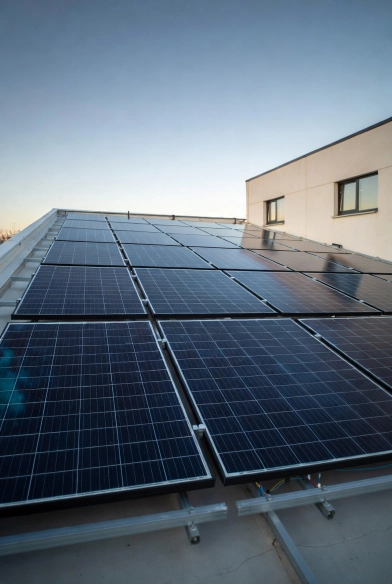
Panels now convert more sunlight into power than ever. Labs hit records like 25% conversion rates in recent tests. That means smaller arrays produce the same output, fitting tight spaces in cities or rural spots.
Higher efficiency slashes setup costs. For instance, a commercial building might need 20% fewer panels to meet energy needs, freeing up roof area. This trend suits crowded urban zones where space is tight.
Role of Advanced Materials
Materials like perovskites layer on silicon to grab more light wavelengths. Tests show tandem cells topping 26% efficiency. These setups work well in varied weather, from cloudy days to direct sun.
Perovskites cut production expenses too. Factories churn them out with simple methods, unlike traditional silicon. Expect wider use in homes and businesses by 2026, where quick installs matter.
A short bridge here: While materials advance, designs that capture light from both sides add another layer of gains.
Bifacial Designs in Action
Bifacial solar panels pull in reflected light from the ground or walls. Farms in open fields see yields rise by 10-15% on average. Water-based setups, like floating arrays on reservoirs, gain even more from surface bounce.
These panels thrive in large-scale projects. A utility in a sunny region might boost output without extra land. Durability improvements help them last longer under harsh conditions.
Flexible and Portable Options
Rigid panels limit where solar goes. Now, thin, bendable versions open new doors. Drones carry lightweight cells for remote monitoring, or tents integrate them for off-grid camping.
Flexibility comes from organic materials and ultra-thin silicon. Some versions weigh a fraction of standard ones yet generate power per kilo at high rates. This shifts solar from fixed roofs to mobile uses.
Applications Beyond Roofs
Curved surfaces get coverage too. Vehicles wrap panels around bodies for charging on the go. Buildings with odd shapes incorporate them without redesigns.
In remote areas, portable kits provide quick power during outages. A community hit by storms sets up flexible arrays fast, restoring lights and pumps. These trends expand access where grids falter.
Moving from portability, integration with storage takes reliability up a notch.
Pairing with Energy Storage
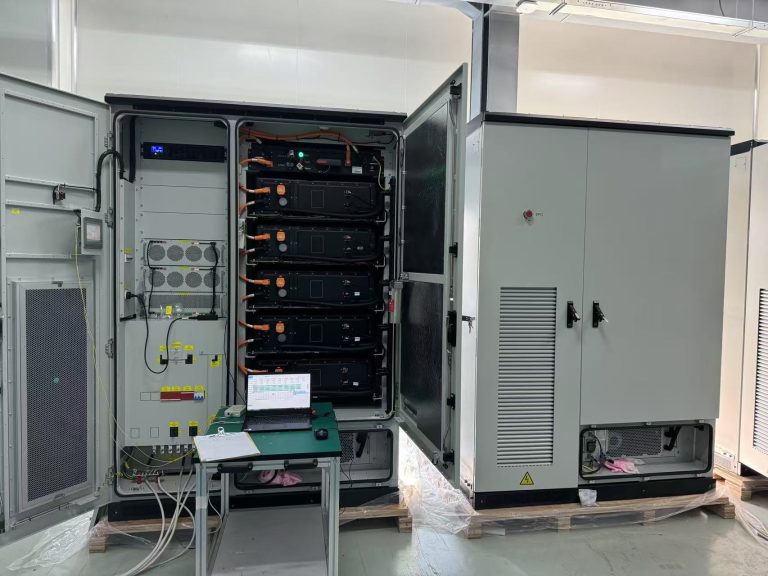
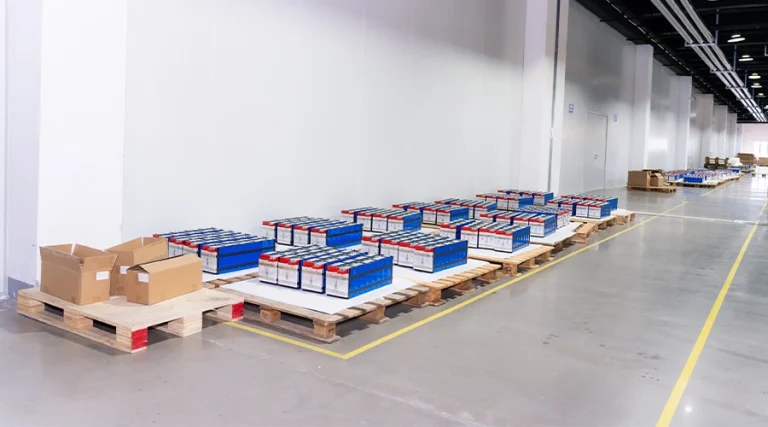
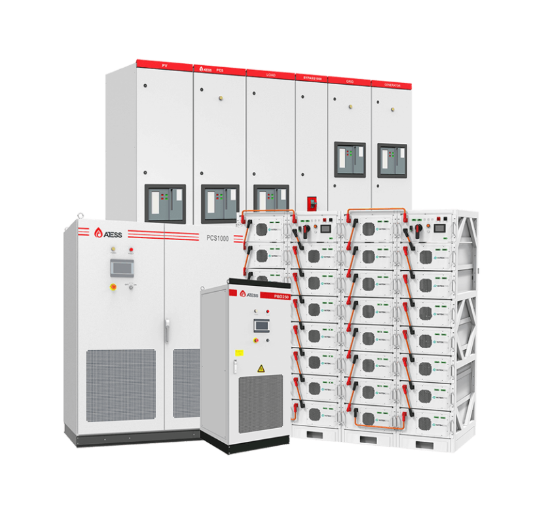
Solar shines brightest when stored for later. Batteries hold excess daytime power for night use. Systems now handle higher densities, lasting thousands of cycles.
Grid stability improves with these combos. Factories shift loads to avoid peak rates, saving thousands yearly. Homes in high-cost zones rely less on utilities.
Smart Management Systems
IoT sensors track output in real time. AI adjusts flows based on weather forecasts. A setup might store more on sunny predictions, cutting waste.
These tools spot issues early, like shading from trees, prompting fixes. Overall, they make solar more predictable for daily needs.
Transparent and Building-Integrated Tech
Windows that generate power? It’s happening. Semi-transparent materials let visible light through while harvesting UV rays. High-rises turn facades into energy sources.
Urban areas benefit most. A skyscraper offsets demand without extra panels, aiming for zero-net energy. Materials like perovskites enable this without blocking views.
Urban Integration Examples
Cities with tight regulations adopt these for green certifications. Office towers reduce cooling loads too, as panels shade interiors. This dual role cuts overall bills.
As trends merge, smart features tie it all together.
Adding Intelligence to Systems
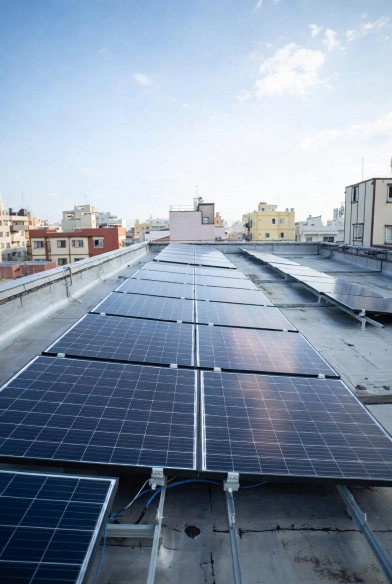
Sensors and data turn panels into responsive units. Tracking sun paths boosts capture by 20-30%. Predictive maintenance flags wear before failures.
Interconnected grids share loads efficiently. A neighborhood setup balances supply among homes, smoothing peaks.
AI-Driven Optimizations
Algorithms learn usage patterns. They charge EVs during low-demand times or sell excess back to grids. This maximizes returns in dynamic markets.
Meet HITEK ENERGY CO.,LTD
Before wrapping up, a quick note on a key player in this space. HITEK ENERGY CO., LTD. (en inglés), a solar manufacturer with roots in energy storage since 2016, crafts lithium batteries, inverters, and full systems. HITEKESS focus on high-efficiency setups supports global partners across 120 countries. For more on their offerings, check HITEKESS’ products page. They handle everything from design to integration, emphasizing safety and long life in renewable solutions.
Conclusión
New solar technology trends for 2026 promise more efficient, adaptable power sources. From perovskite solar cells boosting yields to bifacial solar panels in diverse settings, these shifts cut costs and expand reach. Storage and smart tech make systems reliable, while transparent options blend into daily life. Businesses and homes stand to gain, with lower bills and greener footprints. As adoption grows, solar cements its spot in energy mixes worldwide. For tailored advice, explore services from experts or visit HITEK ENERGY’s website for insights.
Preguntas frecuentes
What are the top new solar technology trends for homes in 2026?
Homes will see flexible solar panels for easier installs and solar energy storage for backup during blackouts. Efficiency jumps mean smaller setups cover daily needs, like powering appliances overnight.
How do bifacial solar panels improve output compared to traditional ones?
They capture light from both sides, adding 10-15% more power in reflective environments. Farms or rooftops with white gravel benefit most, extending energy harvest throughout the day.
Why integrate smart solar technology with storage systems?
It optimizes flow based on real-time data, reducing waste. For instance, AI predicts usage and stores excess, helping users avoid high grid rates.
What role do perovskite solar cells play in future trends?
These cells offer cheap, high-efficiency layers on silicon, pushing rates over 25%. They suit varied applications, from rooftops to portable gear, speeding up solar’s global spread.
HITEKESS BEST SELLING SOLAR ENERGY SYSTEMS:
- Hitek Complete 50kw 100kw 200kw Solar System 500kw 1000kw on Grid Solar Power System 1MW 2MW 3MW 5MW Grid Tie Solar Power System Plant for Commercial Industrial
Model: HT1MW-ON
- Sistema solar híbrido Hitek contenedor 100kw 250kw 500kw con batería de litio 500kwh 1mwh Batería solar 500kw 1MW Precio del sistema de almacenamiento de energía
Modelo: HT500KW-HY
- Hitek 500kw on off Grid Solar Energy System 350kw 400kw 600kw 800kw Hybrid Solar Photovoltaic Storage System High Voltage 3 Phase Solar Energy System
Modelo: HT500KW-HY
- Renewable Energy Hitek Best 250kw Inverter off Grid on Grid Hybrid 50kw 100kw 150 Kw 250kw Complete Solar Power System Cost All in One Solar Panels System
Model: HT250KW-HY
- Complete on Grid Solar System 5kw 10kw 15kw Home Solar Panel Kit 15kVA Solar Power System Cost
Model: HT15KW3-ON