Sol development often faces a big space issue. Many big projects need large open areas. Yet the same land might be needed for growing crops, running factories, building homes, or protecting nature. Floatovoltaics put solar panels right on reservoirs, ponds, quarry lakes, and other water bodies that people manage. This approach turns empty water surfaces into sources of electricity.
A solid floating solar project is not just a regular ground array placed on water. The platforms have to deal with wind and changing water levels. Cables and anchors stay exposed to water all the time. Planners must design the water area, the electrical setup, and any energy storage together from the start.
What Are Floatovoltaics?
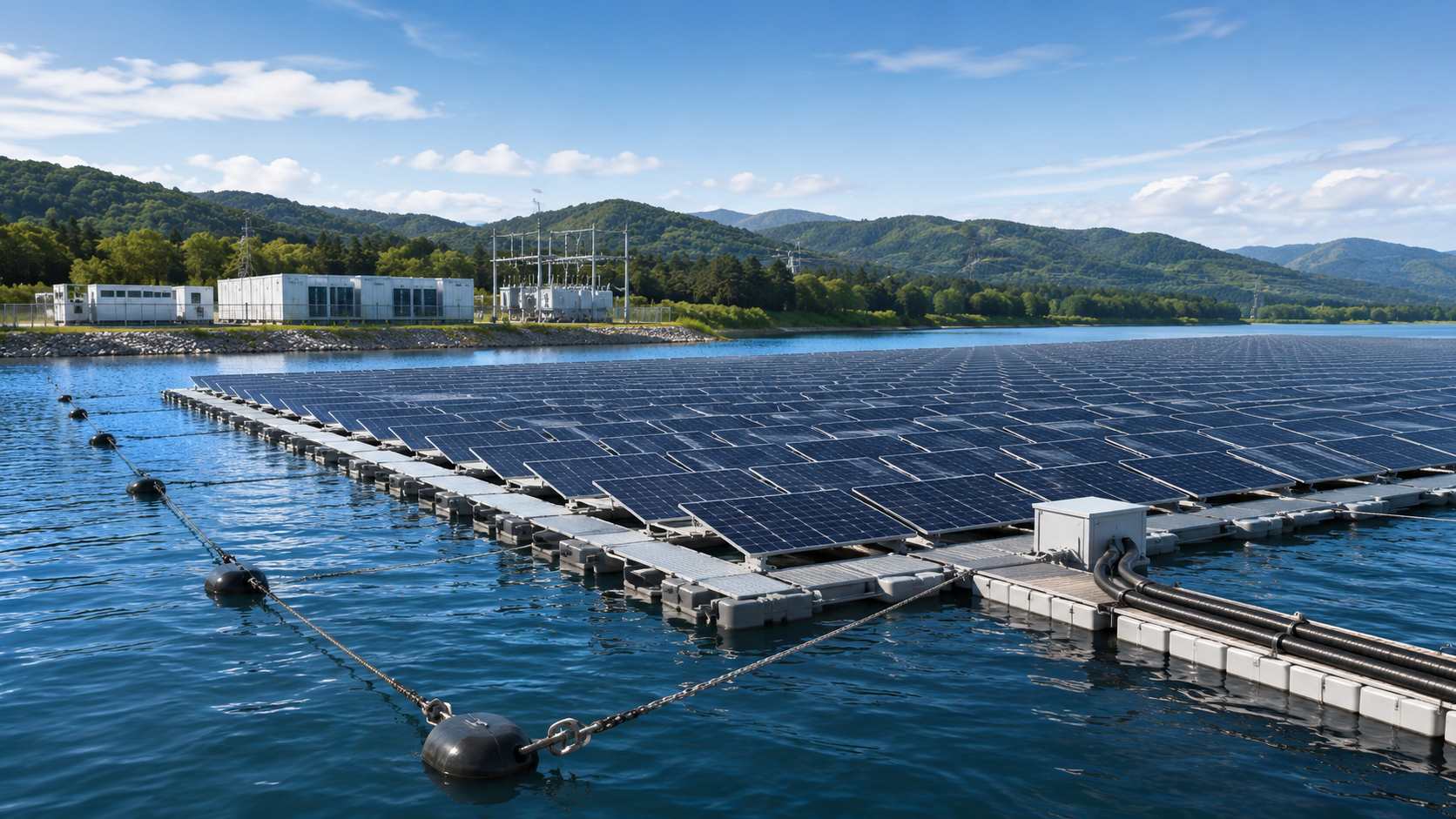
Floatovoltaics, also known as floating solar or floating PV, are groups of solar panels held up by floating structures. They stay in place with anchors and mooring lines. The panels make direct current. Inverters then change it to alternating current. This power can run local equipment, feed into the grid, or charge a battery system.
Most floating solar setups sit on calm inland waters instead of rough open seas. Common places include irrigation reservoirs, dams for hydropower, treatment ponds, old mine lakes, and industrial water basins. These spots usually have clearer ownership and easier access. Wave risks stay lower too.
How Does a Floating PV System Work?
A floating PV system uses the same basic parts as a regular solar plant. But its support structure must remain steady. It also needs to move safely with waves, wind, and shifts in water height.
Core Parts of a Floating Solar Installation
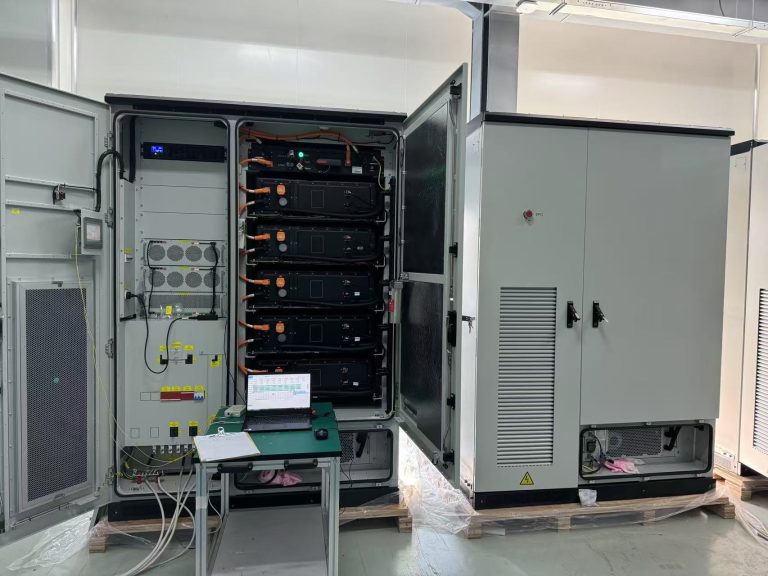
A working system usually includes several key elements. PV modules attach to floats or metal pontoons that stay on top of the water. Walkways give workers space to check things and handle emergencies. Anchoring and mooring lines connect the array to the shore or the bottom of the reservoir. DC cables, connectors, inverters, safety devices, and monitoring tools complete the setup. Some projects add battery storage to smooth power output and shift energy to different times.
Teams often build sections near the shore. They then move them into position on the water. Inverter and transformers can stay on land if the cable distance allows it. This choice makes checks easier and protects equipment from too much moisture.
Why Are Floating Solar Farms Gaining Attention?
The best reason for floatovoltaics shows up where land costs a lot, rules limit its use, or other needs matter more. Take a water utility with a fenced reservoir next to pumps that run in daylight. Floating solar can help power those pumps without buying extra land or building long power lines.
Partial coverage of the water surface can block sunlight and cut down on evaporation. On hydropower reservoirs, floating solar shares existing roads, substations, and grid links. It works well alongside hydropower, which people can control.
Water can keep the panels cooler than dry ground in some cases. This cooling may boost efficiency. However, the actual gain depends on the float design, wind, humidity, air flow under panels, and local climate. Experts should measure it carefully instead of guessing.
| Project factor | Floating solar | Ground-mounted solar |
| Land demand | Low, apart from shore equipment | Requires a dedicated site |
| Mounting | Floats, anchors, and mooring | Piles, foundations, or ballast |
| Main exposure | Wind, waves, humidity, and movement | Wind, soil, dust, and drainage |
| Access | Walkways, boats, or shore access | Roads and service paths |
| Best-fit sites | Managed reservoirs and ponds | Stable, open land |
Where Floatovoltaics Make Practical Sense
Not every body of water works well. Good sites need calm conditions and a clear need for the electricity they produce.
Water and Utility Infrastructure
Reservoirs, treatment ponds, and irrigation basins often look promising. One owner usually controls the whole area and the nearby power demand. Pumps, aeration systems, and filters create steady needs for power. Teams must still check water quality and set safe rules for maintenance.
Hydropower and Pumped Storage Reservoirs
Hydropower locations often already have substations and transmission lines. Solar produces power best during sunny daytime hours. Hydropower can then generate electricity when demand grows or sunlight drops. The range of water level changes matters a lot. Mooring lines must keep working at both high and low seasonal levels.
Mines, Quarries, and Industrial Ponds
Quarry lakes, areas from old mines, process ponds, and factory reservoirs may see little public use. They often sit near equipment that uses lots of energy. Site checks should look at water chemistry, bank strength, sediment, access routes, and any contamination risks.
The Main Benefits of Floating Solar
Floating solar offers advantages that go beyond saving land. Each benefit depends on the specific site.
- Land stays free for farming, buildings, roads, or natural habitats.
- Existing grid connections and utility setups can make the power link shorter.
- Shading the water can lower evaporation in hot and dry areas.
- Cooler panel temperatures may improve how much energy the system creates.
- Adding storage lets daytime power move to evening use.
- Building sections on shore can make construction simpler on calm waters.
These benefits work best when the site sits near a power load. A very long transmission route can remove much of the value from a distant pond.
Costs, Risks, and Engineering Questions
Floating solar often costs more than ground-mounted PV. The system needs special floats, strong anchoring, mooring lines, safe cables for wet areas, and special installation methods. Some market studies show a cost premium of about 20 to 25 percent for sheltered water projects. Water depth, wind strength, shore shape, worker availability, distance to the grid, and local rules can change that number quickly.
The first site review should answer several questions. How much does the water level change? What wind speed should the design handle? Can workers reach every row easily? Will birds cause heavy dirt buildup? Is the water fresh, slightly salty, or full of chemicals?
Constant humidity increases chances of water getting inside equipment. This can lead to insulation problems and rust. Loose cable loops might rub on floats or touch the water. Connectors need careful installation, good strain relief, and regular checks. Metal parts, boxes, and cable paths should match the actual wet conditions rather than standard dry-land specs.
Battery Storage Makes Floating Solar More Useful
Power from floating solar changes a lot. Clouds can cut output fast. Midday production may exceed what the local site needs. A battery energy storage system can hold extra power for later.
At a water treatment plant, storage can help with evening pumping or reduce high demand times. At a factory, it smooths out power swings and supports important equipment. On a weak grid, smart inverters and batteries can control fast changes in power export.
Battery systems usually work better on solid ground near the shore. Planners must check fire safety distances, drainage, access, temperature control, cable lengths, and control systems. The right battery size comes from studying the actual load pattern and solar output, not from picking a standard ratio.
What Makes a Floating Solar Project Bankable?
Good projects start with real field information. A simple map cannot show soft sediment, hidden underwater objects, or seasonal debris. Early steps should include depth measurements, soil checks, water tests, wind and wave studies, grid analysis, and environmental reviews.
Procurement needs to link requirements to test results for panels, inverters, connectors, cables, floats, and batteries. The full package also requires proper startup tests, spare parts planning, remote monitoring tools, and a clear plan for ongoing maintenance on water.
Om HITEK ENERGY CO., LTD.
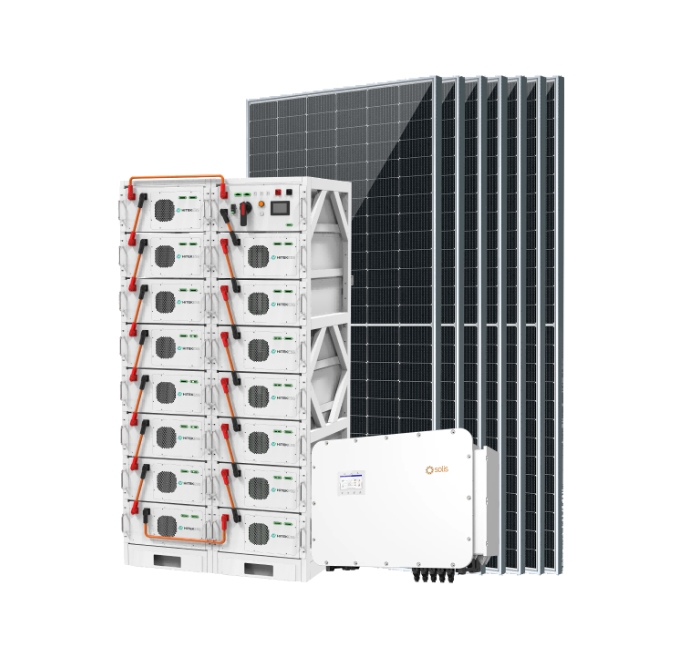
HITEK ENERGY CO., LTD. makes energy storage products and provides solar energy solutions. These fit homes, businesses, factories, and big utility projects. The lineup includes lithium batteries, commercial and industrial storage units, container systems, solar panels, inverters, and both grid-tied and hybrid solar setups.
HITEKESS also helps with project reviews, system design, OEM support, quality checks, technical advice, and service after the sale. This full support helps projects where power generation, conversion, storage, and monitoring all need to connect smoothly. Equipment near water still needs special checks for electrical safety, structure strength, humidity control, and corrosion protection.
@ info/ rich
Floatovoltaics can increase solar power capacity without using good land. But water areas still need careful planning. Success depends on strong mooring systems, safe cable paths, right components, accurate energy estimates, environmental studies, and easy maintenance access.
The strongest chances appear on managed water bodies that sit close to power needs or grid connections. When paired with shore-based battery storage and good controls, floating solar can support water pumping, factory work, grid stability, and smarter use of current infrastructure. Project teams should begin with detailed site data and a custom electrical design. Only then should they ask for final equipment choices and prices.
FAQs
What are floatovoltaics?
Floatovoltaics are solar panels set on floating structures above a water body. Anchoring and mooring equipment keep the array steady. Inverters, safety devices, monitoring tools, and optional batteries handle the electricity.
How do floating solar panels work?
Floating solar panels create electricity in the same basic way as land-based panels. Floats hold the modules up. Mooring lines control how much they move. Cables carry the direct current to inverters. These inverters then send power to local loads, batteries, or the main grid.
Are floating solar farms more efficient?
They can run at lower panel temperatures in certain climates. This may increase the total energy produced. Actual results depend on air flow around panels, the float design, humidity levels, water temperature, panel tilt, and local weather patterns. A detailed study for each project is necessary.
How much does floating solar cost?
Floating solar setups usually cost more than regular ones. Extra expenses come from floats, anchors, mooring systems, work on water, and electrical parts built for wet conditions. Factors like water depth, wind exposure, distance to the grid, water chemistry, and how easy maintenance will be all affect the final price.
Can battery storage be added to a floating PV system?
Yes, it is possible. Battery storage helps smooth sudden changes in power. It stores extra energy made during the middle of the day. Then it supports evening needs. It also helps manage how much power goes to the grid. Batteries are often placed on shore. This makes fire safety, cooling, access, and upkeep simpler to handle.
HITEKESS Hot Selling Solar Power Systems
- Name
Modell: HT10KW- HY
- Commercial Solar Power System 15kw 20kw 30kw 50kw Solar System 30000watt on Grid Solar System Cheap Price
Model: HT30KW-ON
- Høg effektivitet 15 kw 20 kw 30 kw på rutenett 30 kw solsystemheime straum med lithium jonbatterier
Modell: HT10KW- HY
- South Africa Offgrid Hybrid Solar System150kw 120kw 100kw 50kw 30kw 50kwh 100kwh Solar Power System with LiFePO4 Battery Backup
Modell: HT50KW- HY
- Renewable Energy Hitek Best 250kw Inverter off Grid on Grid Hybrid 50kw 100kw 150 Kw 250kw Complete Solar Power System Cost All in One Solar Panels System
Model: HT250KW-HY