The world keeps moving toward green energy options. And residential solar storage systems have picked up more fans. Homeowners can grab and keep energy from solar panels for later. This cuts down on grid use and drops power bills. But a big thing to think about is the starting price. This post looks at main things that affect the cost of these systems in 2026. It helps homeowners pick smart about putting money into solar energy storage.
Understanding Solar Storage Systems
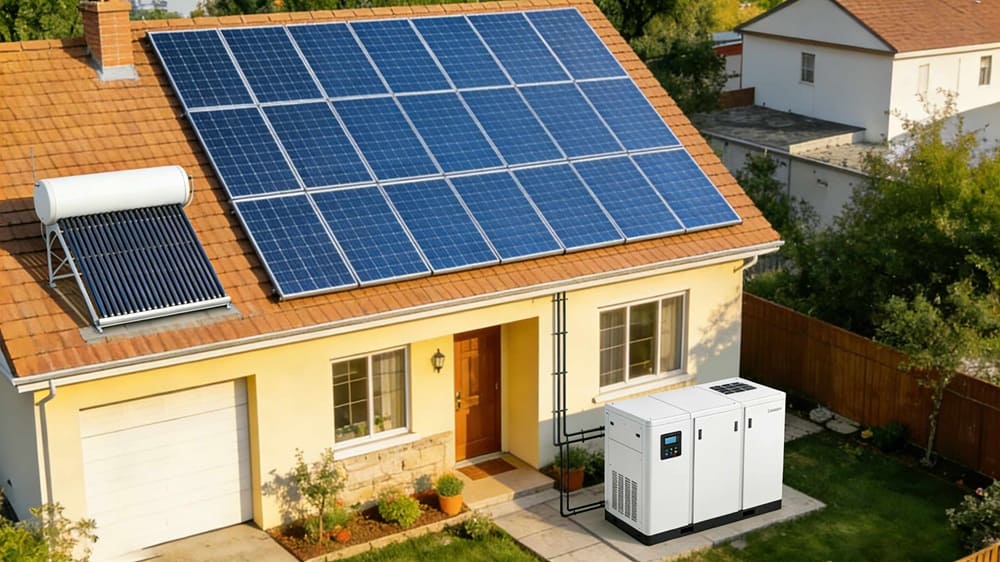
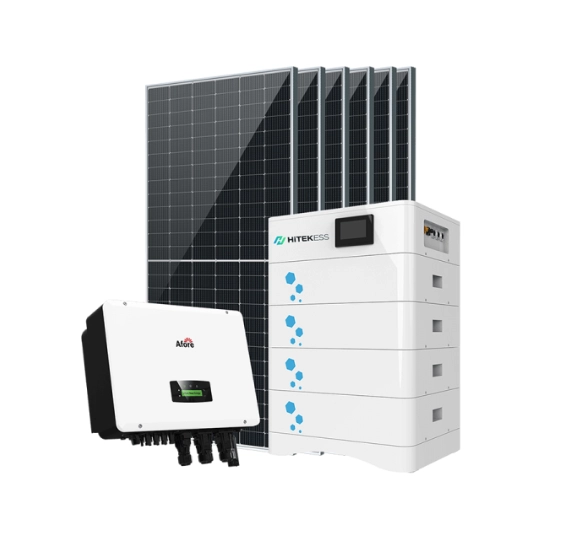
Before we get into the price details, let’s cover what a residential solar storage system is. And how it runs. These setups often have solar panels, an inverter, and a battery unit. The panels make power from the sun. The inverter turns it into usable energy. The battery grabs extra power. It holds it for times with little sun or at night.
Types of Solar Storage Systems
Many kinds of solar storage systems exist now. These cover off-grid setups, hybrid ones, and grid-tied types. Each brings its own perks based on what the homeowner needs for energy.
Off-grid systems work well for far-off spots where grid hookup isn’t possible. They stand alone fully. And they need bigger storage to keep power steady.
Hybrid systems mix solar power with grid electricity. They let you store energy and switch sources easily. This way, homeowners get the best from solar and the grid.
Grid-tied systems link to the local power grid. Homeowners can sell extra energy back to the utility firm via net metering.
To move from the basics to what drives prices, let’s look at the main things that shape costs. These change with where you live, the setup kind, and your own home needs.
Key Factors Affecting Solar Storage System Costs
The price of a residential solar storage system hinges on a few things. They differ by spot, system style, and homeowner wants. Here, we break down the top cost drivers. This helps you grasp the price setup in 2026.
1. Battery Type
The battery kind in the system plays a huge role in the total price. Lithium-ion batteries are common in home setups. They cost more than old lead-acid ones. But they pack more energy, last longer, and work better. Tech gets better. More makers join in. So battery prices should dip a bit in coming years.
Lithium-ion batteries run at 90-95% efficiency. They hold up for 15-20 years. They have a higher depth of discharge (DoD). So they store and use more solar energy. This makes them cheaper over time.
Lead-acid batteries cost less at first. But they last only 3-5 years. Their efficiency sits around 75%. They need more care too. Folks are dropping them for newer tech.
With battery choices in mind, next comes how big the system is. That ties right into storage needs and bumps up costs for bigger homes.
2. System Size and Storage Capacity
The system’s scale is another key price factor. Bigger ones that hold more energy often cost more to set up. They need extra batteries, larger inverters, and more panels.
A setup with 10-20 kWh fits small to mid-size homes with normal power use.
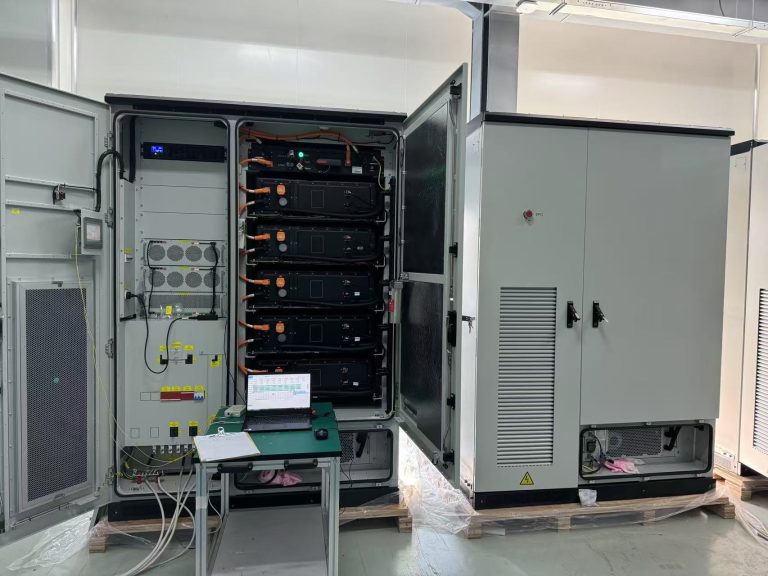
Bigger houses with more energy wants might need 30-50 kWh storage. This hikes the price a lot. It calls for more batteries and gear.
Higher energy use means a pricier system.
Beyond size, who puts it in matters too. Setup fees can swing based on how tricky the job is.
3. Installation and Labor Costs
Component prices count. But setup charges matter a lot in the end price of a residential solar storage system. These fees change with system complexity, local work rates, and home specifics.
For instance, adding a solar storage system to current panels might need more wires, inverter fixes, and structure tweaks. On the other hand, putting in a solo system or updating an old one can cost more. It takes extra effort.
Setup leads us to ways to cut costs. Help from the government can slash starting prices big time.
4. Incentives and Rebates
Aid from the government, rebates, and tax breaks can cut the first cost of a residential solar storage system a ton. In the US, the Investment Tax Credit (ITC) lets homeowners take off part of the solar cost from federal taxes. Many states give extra rebates or perks to push green energy use.
In 2026, these aids still exist in lots of places. But check with local power firms and government spots for fresh info on rebates.
Besides core parts, some extras can add to the bill. They help the system run smooth though.
5. Additional Equipment Costs
Some solar storage systems need extra gear to work well. This might cover:
Solar charge controllers. They control battery charging and stop overloads.
Backup generators. For when the battery gets low.
Monitoring setups. These let homeowners watch energy use and battery work from afar.
These extra bits can raise starting setup costs. But they bring better work and longer life.
Now that we’ve covered what drives prices, let’s see typical numbers. These give a sense of what to expect in 2026.
Average Cost Breakdown in 2026
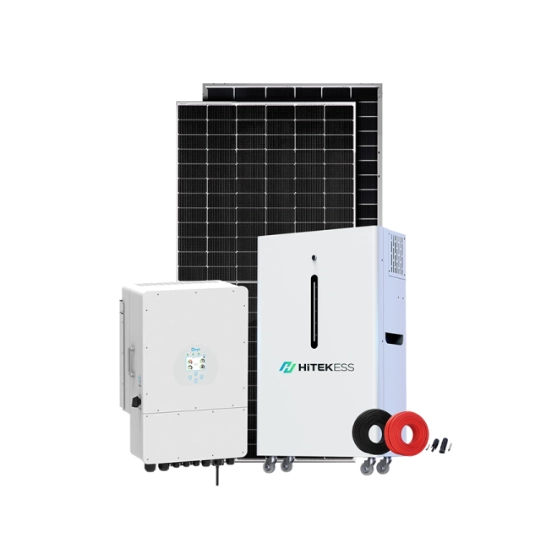
In 2026, a home solar storage system’s average price runs from $7,000 to $25,000. It depends on the factors above. Here’s a rough cost split:
| Component | Estimated Cost Range |
|---|---|
| Solpanelar | $3,000 – $15,000 |
| Battery storage (Lithium-ion) | $5,000 – $15,000 |
| Inverter and other equipment | $1,500 – $3,000 |
| Installation and labor | $2,000 – $5,000 |
| Incentives and rebates | -$2,000 – $5,000 |
Prices aside, the upsides make it worth it. Putting money into these systems pays off in many ways.
Benefits of Investing in a Solar Storage System
Even with the first cost, perks abound from a home solar storage system:
- Energy Freedom: Homeowners lean less on the grid. This shields from changing power prices and outages.
- Cheaper Power Bills: Store extra solar energy. Use it in busy times. This drops grid use and cuts bills.
- Good for the Earth: These systems help make a cleaner world. They cut fossil fuel use and drop carbon output.
- Boost Home Worth: Houses with solar setups often sell for more. It’s a wise pick for the long haul.
One firm leads in this area. They offer top-notch options for green energy fans.
HITEK ENERGY CO., LTD.: Pioneering Solar Storage Solutions
HITEK ENERGY CO., LTD. stands out as a top maker in residential solar storage systems. With lots of know-how in green energy, HITEKESS gives fresh and cheap fixes for homeowners. They aim to shrink carbon marks and trim power costs. HITEKESS focuses on high-grade, tough, and strong battery storage systems. These meet the rising call for green energy fixes.
@ info/ rich
Solar tech keeps growing. So costs for home solar storage systems should fall. This makes them easier to get for folks worldwide. The starting price might stay big in 2026. But long-run savings and earth perks make it a sharp choice for clean energy fans. Grasp the main cost drivers. Pick right parts for your place. Then you can choose smart. It helps your cash and the world.
FAQs
What is the cost of a residential solar storage system in 2026?
The price of a home solar storage system in 2026 usually sits between $7,000 and $25,000. It hinges on system kind, battery, and extra bits.
What are the benefits of using lithium-ion batteries in solar storage systems?
Lithium-ion batteries work better. They last longer. And they need less care than lead-acid ones. This makes them a top pick for home solar storage.
Can I reduce my electricity bills with a solar storage system?
Yes. Store extra energy from solar panels. Use it in peak times. You cut grid use and drop power bills.
Are there government incentives for installing solar storage systems?
Yes. Many spots give perks, rebates, and tax breaks to push green energy setups like solar storage. Check with your local power provider for now’s offers.
How long do solar storage batteries last?
Lithium-ion solar storage batteries can go 15 to 20 years. It depends on use and care of the setup.
HITEKESS TOP-SELLING RESIDENTIAL SOLAR POWER SYSTEMS
- Easy Installation Good Performance 5kw 10kw 15kw 20kw Offgrid Solar System 220V 380V 30kw Hybrid Solar System Home Use Complete KitModel: HT10KW-HY
- Hitekess 20kw 30 Kw 50kw 50 Kw off Grid Hybrid PV Outdoor Photovoltaic Solar Storage LiFePO4 Battery Energy Storage Systems BatteriesModel: HTAC-50/100-OD
- High Efficiency 15kw 20kw 30kw on off Grid 30kw Solar System Home Power with Lithium Ion BatteriesModel: HT10KW-HY
- Hitek 10kw 12kw 10kVA Solar Panel System Complete Solar Inverter Home Solar System with Lithium Batteries for Home UseModel: HT10KW-HY
- Complete Solar Panel System 5kw 10kw Solar System 10000W 3phase on Grid Solar Power System PriceModel: HT10KW-ON