These days, people care a lot about being green and saving energy. On-grid solar systems have become a good choice for houses and companies. They cut down on power bills. Plus, they help make the world cleaner. But what is an on-grid solar system? And why do so many folks pick it?
This piece looks at on-grid solar systems from top to bottom. It points out their good sides. And it shows the main parts that make them work well for folks who want to use sun power. If you own a home, run a business, or just like energy stuff, knowing about on-grid systems can help you pick smart for your power needs.
What is an On-Grid Solar System?
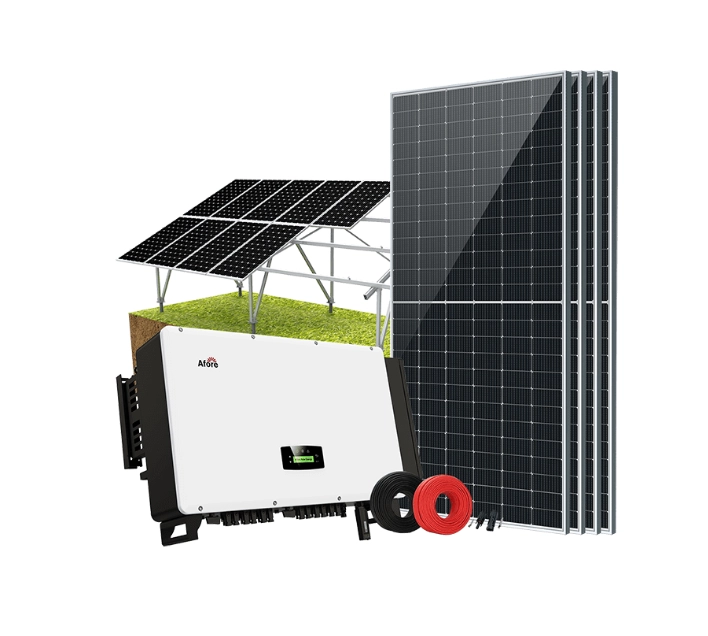
An on-grid solar system is also called a grid-tied solar system. It links your solar panels right to the local power grid. Off-grid systems stand alone. But on-grid ones let extra power from the panels go back to the grid. So, in the daytime, when the sun shines bright, your setup makes power from the sun. This cuts how much you need from old power sources.
A big plus of an on-grid system is you can sell extra power back to the grid. This depends on rules in your area and what the power company says. Net metering is the name for this. It means you save on bills. And you might get credits for the power you make but don’t use.
To make this clearer, think about a sunny day. Your panels catch light and turn it into power. If you make more than you need, it flows to the grid. At night, you pull from the grid. But those credits help balance things out. Many places have programs like this. They make switching to solar easier. Homeowners find it simple to set up. And it pays off over time.
Key Benefits of On-Grid Solar Systems
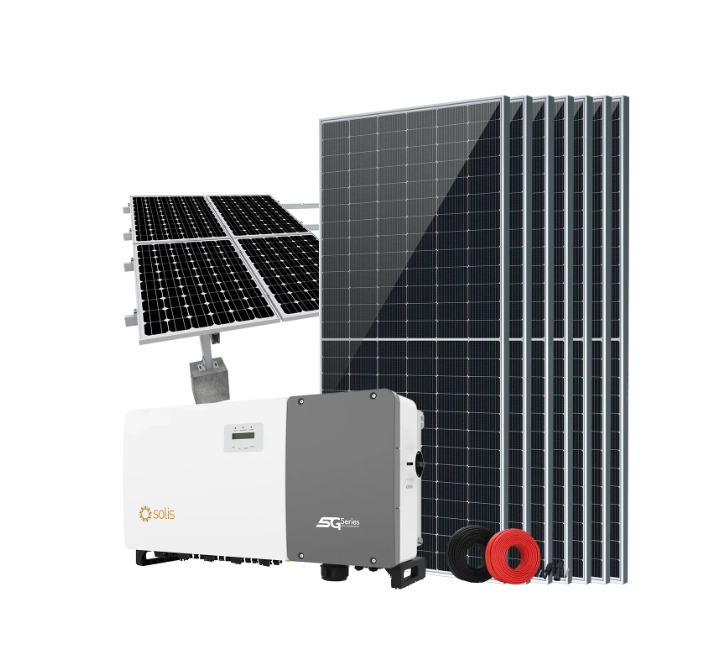
On-grid solar systems offer several strong points that make them stand out. Let’s dive into each one to see how they can help you.
poupanças de custos
On-grid solar systems can cut your power bills a lot. They use sun power you make. So, the more your system puts out, the less you buy from the grid. Net metering lets you get credits for extra power. This drops costs even more.
For example, a family might see their monthly bill go down by half. It depends on how big the system is. And how much sun your spot gets. But over years, the savings add up. You pay less for power that goes up in price often.
Sustainability and Environmental Impact
Next up, these systems play a big role in keeping things eco-friendly. Here’s why they matter for the planet.
Solar energy from on-grid systems cuts your use of coal and gas. This lowers your mark on the earth. Sun power is clean. It renews itself. And there’s plenty of it. So, it’s one of the best ways to go green today.
Think about it. Less fossil fuel means less dirty air. Your choice helps the planet. Many people pick solar for this reason. It feels good to know you’re part of the fix.
Energy Independence
Beyond the green side, on-grid setups give you more control over your power. This benefit ties into daily life in useful ways.
On-grid systems use the grid as backup. But they let you make a big chunk of your own power. This means less tie to power companies. And you dodge price jumps.
You’re not fully off the grid. But you control more of your energy. During blackouts, some setups even keep basics running. It’s a step toward freedom from old ways.
Increased Property Value
Finally, in this section, solar can boost what your place is worth. It adds real appeal when it’s time to sell.
Places with solar systems sell for more. Studies show this. Solar cuts costs. And it shows you care about green living. Buyers like that.
If you sell your home, the system stays. It adds worth. People want homes that save money and help the earth. Businesses see the same boost.
To expand on this, real estate folks say solar can add thousands to a home’s price. It’s like a smart upgrade. Like a new kitchen. But this one keeps paying you back.
Key Components of an On-Grid Solar System
Every on-grid solar system relies on a few main pieces to work right. Understanding these helps you see the full picture.
Paneis Solares
First off, the panels do the heavy lifting in catching the sun’s rays.
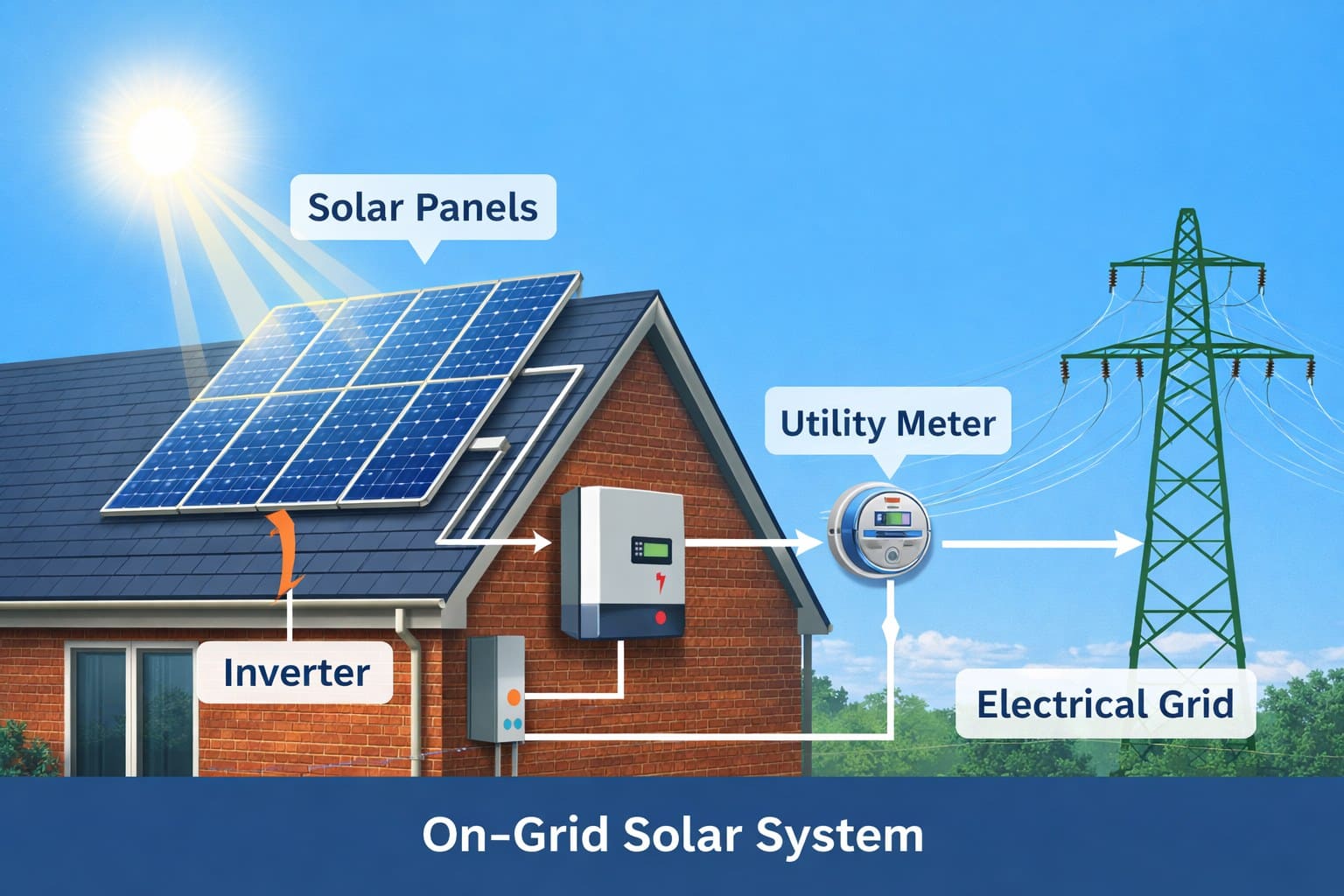
Solar panels are the core of the on-grid system. They grab sunlight. Then, they turn it into power with PV cells. Folks often put them on roofs. This gets the most sun.
Panels come in types. Some work better in low light. But all do the job. You pick based on your space and needs.
Inverter
Once the panels make power, it needs a change to fit your home’s needs.
Solar panels make DC power. But homes need AC. The inverter changes DC to AC. So, you can use it right away.
Without it, the power sits useless. Good inverters last long. They make the system run smooth.
Utility Meter
To keep track of everything, a meter steps in for the counting part.
This tracks power you use from the grid. And what you send back. It’s key for net metering. You get credits for extras.
Meters are simple. But they make the money side work. Power companies install them often.
Grid Connection
Tying it all together is the link to the outside power world.
The system ties to the utility grid. Power goes both ways. In the day, extras go out. At night, you pull in.
This link keeps things steady. No need for big batteries. It’s cheap and easy.
Adding more, safety gear comes with this. Like switches that shut off if needed. It keeps everyone safe.
Applications of On-Grid Solar Systems
On-grid solar systems fit into many areas of life. Here’s a look at how they work in different spots.
Residente
Starting with homes, where many folks begin their solar journey.
Homeowners turn to on-grid solar systems more and more. They want lower bills. And a green life. Families make their own power. They join net metering too.
It’s great for suburbs or cities. Roofs work well. And incentives make it affordable.
Commercial
Shifting to business settings, the perks scale up for companies.
Companies save big with on-grid solar systems. They drop running costs. Plus, they look good for going green.
Stores or offices use them. It shows customers they care. Savings go to other parts of business.
Industrial
For larger operations, these systems handle heavy loads with ease.
Big factories gain from on-grid systems. They steady power costs. And send extras to the grid.
It’s for heavy users. Like plants that run all day. Solar helps cut peaks.
In all these, size matters. Small homes need less. Big spots need more panels. But the idea stays the same.
HITEK ENERGY CO.,LTD: A Leading Manufacturer of On-Grid Solar Systems
HITEK ENERGY CO., LTD leads in renewable energy. They make top on-grid solar systems. With lots of experience, they focus on new ideas. Their setups boost efficiency. And cut ties to old fuels.
Products from HITEKESS last. They offer great help to buyers. From start to end, it’s smooth.
Why pick them? Quality parts. And they fit many needs. Home or business, they have options.
Conclusão
On-grid solar systems work well for homes, companies, and big ops. They cut costs. Boost green ways. And help the earth. Know how they run. See the perks. Then decide if one fits your power plans.
It’s a smart move now. Sun power grows. Join in for a better tomorrow.
FAQ
Common questions come up about these systems. Let’s address a few to clear things up.
Q1: What is the main difference between on-grid and off-grid solar systems?
A1: The key difference is that on-grid systems are connected to the local utility grid. This lets excess energy go back to the grid. Off-grid systems work alone, with no grid tie.
Q2: Can I sell surplus energy back to the grid with an on-grid solar system?
A2: Yes, through net metering programs. You can sell extra energy from your solar system to the grid. And get credits or cash from your power provider.
Q3: How much can I save with an on-grid solar system?
A3: Savings change based on system size, how much power you use, and local rates. But many see big drops in bills. Sometimes 50% or more.
To think deeper, track your use first. Then size the system right. It maximizes savings.
Q4: How long do on-grid solar systems last?
A5: They last 25-30 years or longer. It depends on part quality and care.
Good upkeep helps. Clean panels. Check wires. It keeps them going strong.