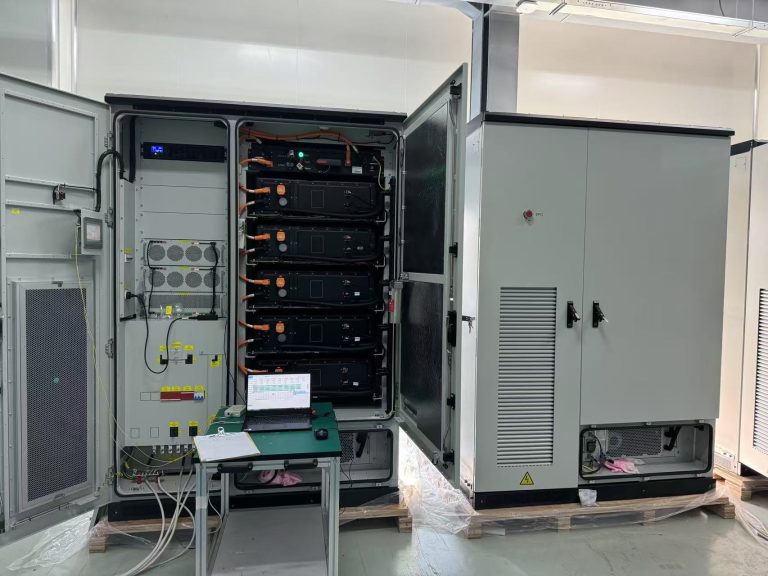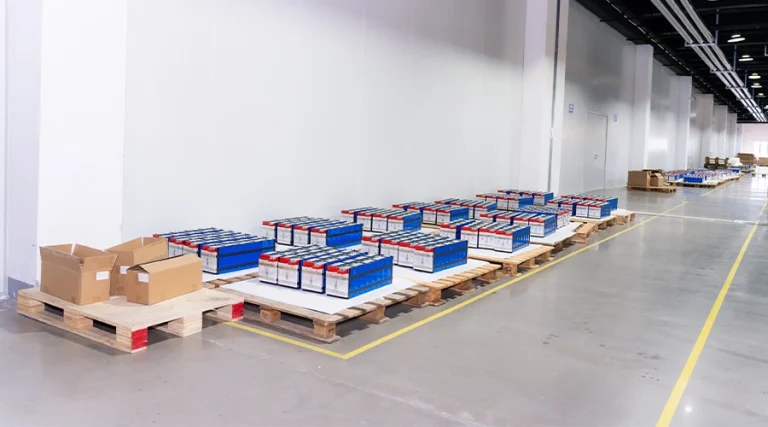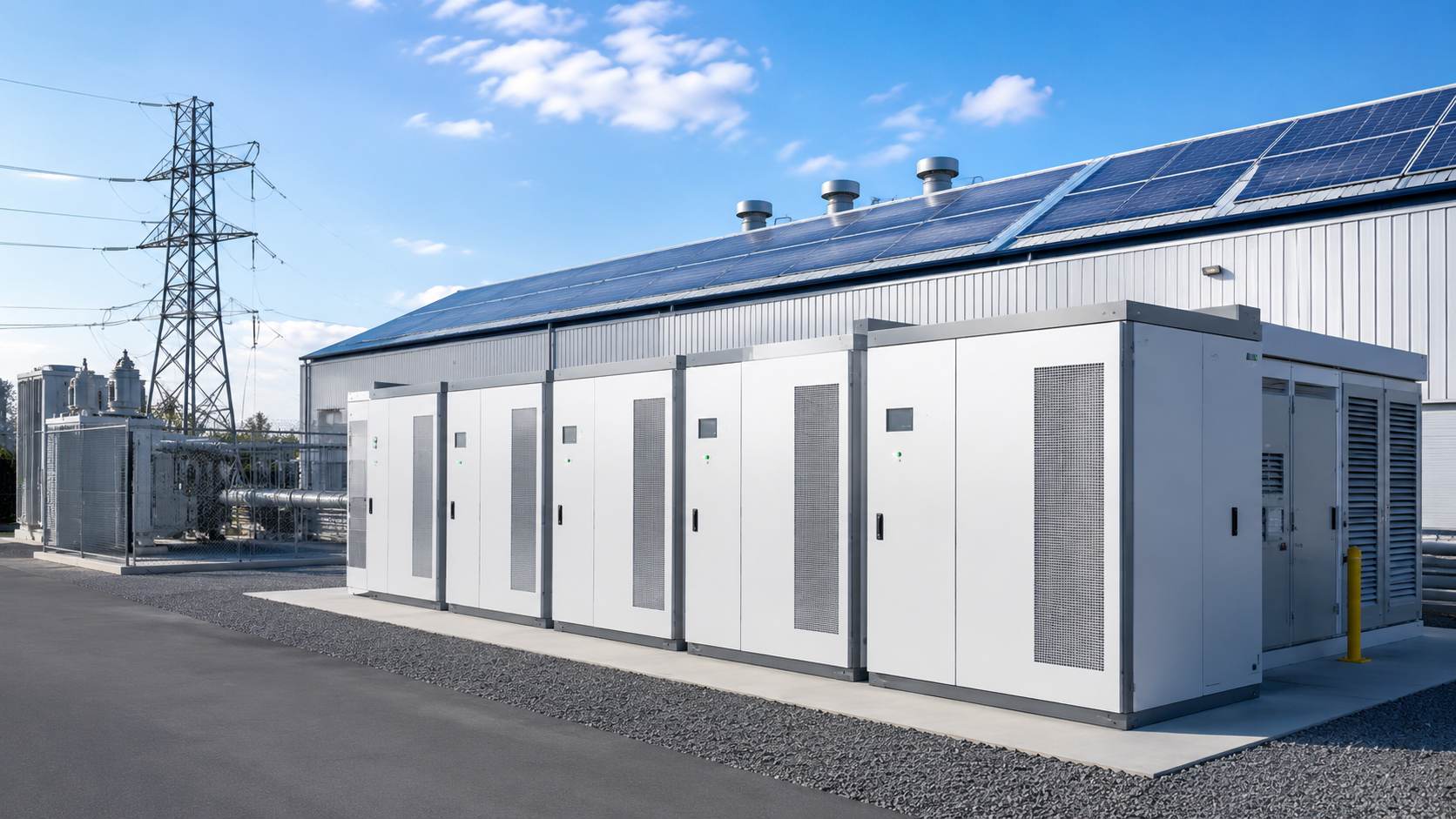
Business power bills no longer depend just on total kilowatt-hours a place uses monthly. For spots like plants, storage buildings, farms, inns, shop areas, and charge points, the top quick power pull can form a big share of the cost. A commercial battery energy storage system can cut that top pull. It can keep main loads going in power cuts. And it can make sun power more handy right there.
The tough bit is picking the size. A battery too tiny will empty before the top time ends. A setup too big may stay idle most of the year. Smart sizing begins with true load facts. It needs a clear run goal. And it calls for a real mix of power, storage space, hold time, battery use depth, and room for growth later.
Why Battery Storage Sizing Matters for Commercial Sites
A commercial battery storage plan often starts with a basic aim. That is to lower power costs or guard business work. The sizing steps turn that aim into a true setup plan.
For top cut, the battery must let out power at the right time. This lowers the spot’s top grid pull. For hold power, it must carry picked gear long enough. That keeps making, safety, IT, cool hold, or talk systems on. For sun self-use, it should hold extra day sun power. Then it lets it out when power rates climb or sun fades.
Going too big raises start cost and slows return. Going too small leaves pull fees as is or fails in a dark out. The correct C&I BESS size gives the spot enough kW for high power times. It also gives enough kWh to last the needed run time.
Peak Shaving vs Backup Power: What Changes in Sizing?
Top cut and hold power often come up together. But they do not get sized the same way. A business should set which use counts most. Then it picks a commercial battery energy storage system.
Peak Shaving Is Mainly a kW Problem
Top cut aims at dropping the top grid pull in short, costly times. A plant may hit its top when pressers, motors, cool units, weld tools, and pack lines run together. A charge spot may jump when some fast chargers kick on at once.
The main math is:
Required BESS Power = Site Peak Demand – Target Grid Demand
If a spot hits 620 kW in busy times and aims to keep grid pull under 500 kW, the battery must cover around 120 kW. A real plan may pick a higher PCS power level. This handles quick jumps, gear room, and turn losses.
Backup Power Is Mainly a Runtime Problem
Hold power begins with a fresh question. What must stay running if the grid drops?
A business spot seldom needs to hold every load. Non-key tools can stop. But main loads stay powered. These might cover safety setups, urgent lights, servers, PLC guides, cold hold, pumps, talk tools, or picked make lines.
The main math is:
Backup Battery Capacity = Critical Load Power × Backup Hours ÷ Usable DoD ÷ Efficiency
If a storage building has 80 kW of main loads and needs 2 hours of hold, with 90% usable depth of discharge and near 90% setup run, the needed battery space is:
80 kW × 2 h ÷ 0.9 ÷ 0.9 = 197.5 kWh
That figure shows a battery setup near the 200 kWh group. Add extra hold if the spot also uses the battery for daily top cut.
Step 1: Collect the Right Load Data
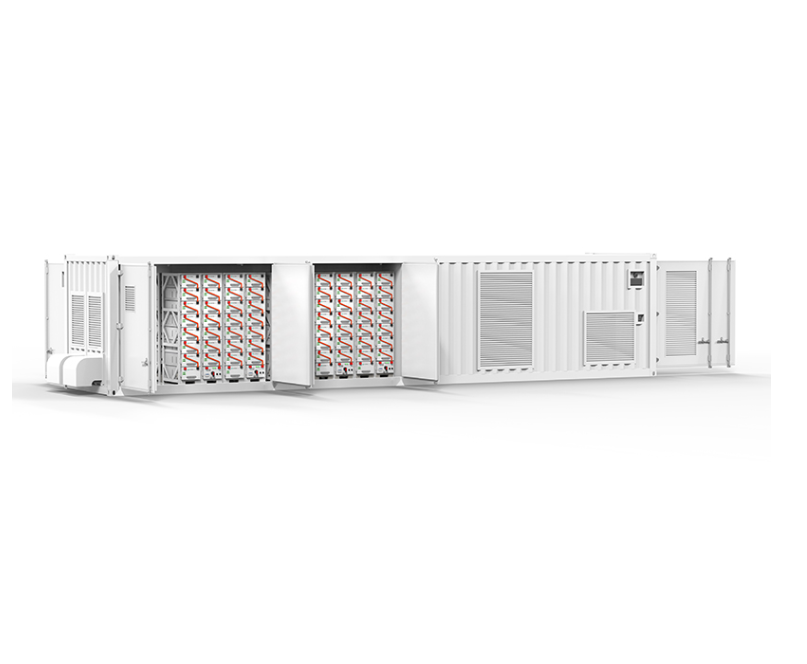
Picking a C&I energy storage setup from a monthly bill holds risk. The monthly kWh sum shows energy use. But it skips when the top happens or how long it goes. For business top cut, time-based data proves far handier.
A solid sizing check should hold:
- 12 months of electricity bills
- 15-minute or 30-minute interval load data
- Highest demand in kW for each billing cycle
- Typical daily energy use in kWh
- Peak time window and duration
- Critical load list for backup power
- Existing or planned solar PV capacity
- Future changes such as EV chargers, new production lines, cold rooms, or longer working hours
This info shows if the spot has one quick jump a day, some moving tops, or a long high-load time. A battery picked for a 30-minute top will not act the same as one built for a 3-hour after-lunch pull window.
Step 2: Calculate the Power Rating for Peak Shaving
The power level tells how strong the battery can let out at once. In business energy storage, this shows in kW.
Think of a small make spot:
| Item | Example Value |
|---|---|
| Historical site peak demand | 620 kW |
| Target grid demand | 500 kW |
| Required shaving power | 120 kW |
| Practical design range | 125–150 kW |
A 120 kW figure does not mean the last setup must be just 120 kW. Real spots have bumpy loads. A motor might start out of plan. A charger might climb faster than set. A PCS with some extra room can make the setup steadier.
For spots with sharp jumps, power level may count more than full battery space. For spots with long high-load times, space turns just as key.
Step 3: Calculate Battery Capacity in kWh
Battery space sets how long the setup can let out. It measures in kWh. For top cut, the key question is: how long does the top often go?
Required Battery Capacity = Peak Shaving Power × Peak Duration ÷ Usable DoD ÷ System Efficiency
A business building may need 120 kW of top cut for 1.5 hours each after-lunch.
120 kW × 1.5 h ÷ 0.9 ÷ 0.9 = 222.2 kWh
Here, a battery near the 225–240 kWh group may make a real fit. If the same spot wants dark-out hold too, save part of the battery’s charge state. Without that save, the battery might end top cut and lack energy for a night dark out.
Step 4: Set a Backup Reserve
Hold power should not get seen as “whatever energy stays.” A sure business battery hold plan sets a save charge state. For example, the EMS may let only part of the battery get used for top cut on normal days. It keeps the rest set for grid fail.
A food storage building may use battery storage to cut after-lunch pull fees. But it still needs cool hold if the grid fails at night. A talk room may need steady power for talk gear. An inn may want to keep lights, front desk, safety, and IT going even if cool loads drop.
The more key the loads, the more careful the save should be.
Step 5: Add Solar PV into the Sizing Plan
Many commercial battery energy storage systems pair with sun panels. In that case, battery sizing should also eye PV output and day extra.
If a plant uses most sun power in work hours, the battery may just need to hold short times of extra make. If a storage building has big roof space but lower day load, a larger battery can grab more sun energy for night use. If the spot faces send limits, storage can cut lost PV make.
A sun-plus-storage plan should check PV size, inverter space, battery charge speed, grid send rules, rate times, and daily load shape. The best outcome is not always the biggest battery. It is the battery that charges and lets out often enough to make true worth.
Key Parameters to Check Before Buying a C&I BESS
A business battery setup holds more than battery cells. The inverter, BMS, EMS, box, guard plan, cert, and talk roles all sway how it runs.
| Параметр | Почему это важно |
|---|---|
| Power rating kW | Sets how much peak demand the system can reduce |
| Energy capacity kWh | Sets discharge time and backup runtime |
| Usable capacity | Shows how much energy can actually be used |
| Depth of discharge | Affects usable energy and battery life |
| PCS or inverter | Converts DC battery power to AC site power |
| BMS | Monitors cell voltage, temperature, current, and protection |
| EMS | Controls charge, discharge, schedules, and peak shaving logic |
| Enclosure rating | Matters for outdoor cabinets, dust, rain, and heat |
| Жизнь цикла | Important for daily charge and discharge |
| Certifications | Support transport, safety review, and project approval |
LFP battery storage sees wide use in business and plant energy storage. It stands out for heat steadiness, long run life, and solid daily-use work. For businesses that look for the battery to run each day, makeup and setup guide count as much as list space.
Practical Sizing Scenarios
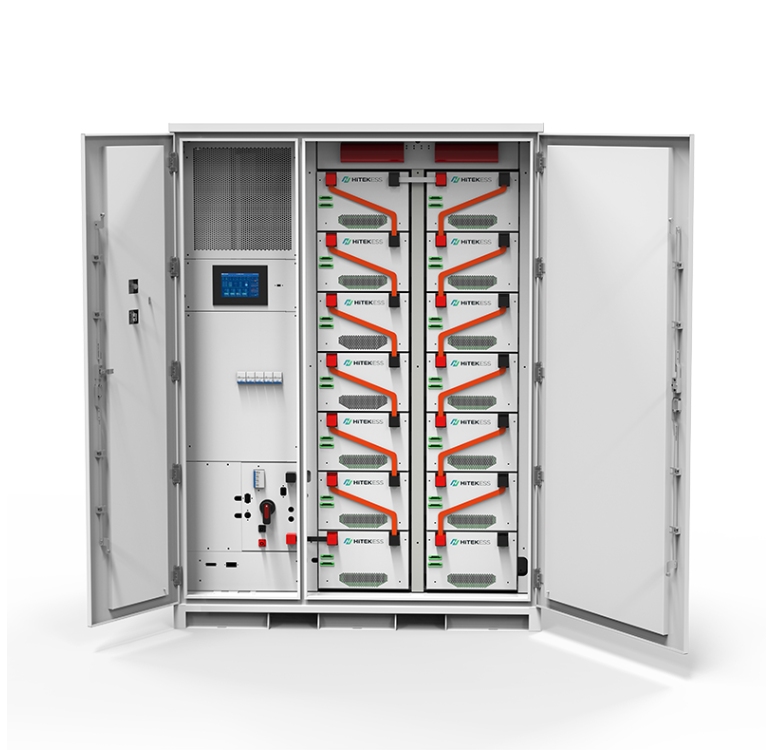
Varied businesses need varied battery acts. One sizing rule cannot fit every spot.
Factory Peak Shaving
A plant with motors, pressers, shot form tools, or CNC gear may see quick pull jumps in make start. A 100–150 kW power group battery with near 200–300 kWh space may fit small spots. Bigger plants may need MWh-level storage. The load path sets the last size.
Cold Storage and Food Warehousing
Cold hold spots need hold power for cool, guides, lights, and watch systems. Even a short dark out can harm item quality. Here, hold run time and save SOC often count more than strong daily turns.
EV Charging Sites
EV charge spots face short, high-power tops. Battery storage can ease grid link stress and aid delay on transformer adds. For this use, PCS power, answer speed, and charge plan are key.
Commercial Buildings and Hotels
Inns, work spots, and shop hubs often care for both bills and business flow. The battery can cut after-lunch pull, hold sun energy, and keep safety, lights, IT, and picked service areas running in dark outs.
Common Sizing Mistakes to Avoid
Many business storage plans lose worth because the first guess proves too loose. The top errors hold using just monthly kWh info, skipping top time length, eyeing battery space while missing PCS power, holding the whole spot over main loads, and leaving no SOC save for dark outs.
One more error is skipping future load rise. A spot planning EV chargers, added shifts, new make lines, or bigger cold hold should pick the power plan with room to grow. Block battery setups can aid. But the inverter, box space, guard setup, and spot wires must also let growth.
HITEK ENERGY CO.,LTD as an Energy Storage Products Manufacturer
ХИТЕК ЭНЕРГИЯ КО., ЛТД builds and gives energy storage goods for home, business, plant, and main uses. Its goods cover C&I energy storage setups, box and outer BESS, lithium batteries, inverters,solar panels, and full solar energy storage answers.
For business plans, this wide goods base proves handy. Battery storage sizing seldom rests on one part alone. A good plan needs matched batteries, inverter space, safety plan, watch, and after-sell tech aid. HITEKESS answers hold LFP battery setups, mixed sun storage plans, and growable energy storage picks for top cut, load shift, hold power, and sun self-use.
The firm aids users in many spots. It backs plans that need real setup match over one-size-fits-all gear. For EPC teams, sellers, and business buyers, this can cut risk of bad-match parts. It also makes plan talk easier from early sizing to setup aid.
Вывод
Picking a commercial battery energy storage setup starts with the spot’s true run pattern. Top cut needs enough kW to drop pull jumps. Hold power needs enough kWh to run main loads for the set time. Sun storage adds one more level. The battery must match PV output, load pull, rate times, and grid rules.
A firm C&I BESS plan should use time-based load info, clear top pull aims, real hold hours, usable battery space, setup run, and SOC save. When these bits get set early, the battery setup proves more likely to cut power costs, guard work, and back future energy rise.
Часто задаваемые вопросы
How do you size a commercial battery energy storage system?
Begin with 12 months of bills and time-based load info. Then math the needed power in kW for top cut and the needed space in kWh for hold run time. Tune the figure for usable depth of discharge, setup run, and growth later.
What size battery is needed for peak shaving?
It rests on the gap between the spot’s top pull and the aim grid pull. If a spot tops at 620 kW and wants to stay under 500 kW, the battery should give near 120 kW of let-out power, plus plan room.
Is kW or kWh more important in C&I BESS sizing?
Both count. kW sets how much top load the setup can drop at once. kWh sets how long the battery can keep letting out. Top cut often starts with kW. Hold power leans hard on kWh.
Can commercial battery storage work with solar panels?
Yes. A business sun battery setup can hold extra PV power in day and let it out in top-rate times or dark outs. The battery size should match sun make, spot load, inverter space, and local grid rules.
Why are LFP batteries used for commercial energy storage?
LFP batteries prove common in business energy storage. They offer good heat steadiness, long run life, and steady daily charge-let-out work. These parts hold worth for top cut, hold power, and sun self-use.
HITEKESS COMMERCIAL BATTERY STORAGE SYSTEMS
1. Hitek 500kw on off Grid Solar Energy System 350kw 400kw 600kw 800kw Hybrid Solar Photovoltaic Storage System High Voltage 3 Phase Solar Energy System
Модель: HT500KW-HY
2. Renewable Energy Hitek Best 250kw Inverter off Grid on Grid Hybrid 50kw 100kw 150 Kw 250kw Complete Solar Power System Cost All in One Solar Panels System
Model: HT250KW-HY
3. Hitek Energy Turnkey Complete Set 380V 400VAC off Grid Solar Panel Backup System 30kw Hybrid 40kVA 30 Kw Rooftop Home Solar Power System 30000W 30kVA 20 Kw
Модель: HT30KW-HY
4. Commercial 50kVA 100kVA Solar Battery Energy Storage System 50kw 100kw Hybrid All in One Solar Power System 100kwh 200kwh 229kwh 241kwh Lithium Battery Backup
Model: HTAC-50/100-OD
5. Zambia Full Set Solar Energy Power System 30kw 50kw 80kw 100kw 150kw Three Phase 400V 100kVA 150kVA LiFePO4 Hybrid Solar System 230kwh 286kwh Battery Cabinet
Модель: HT150KW-HY