A battery degradation guarantee states how much usable capacity a battery energy storage system should retain under defined operating conditions. The headline percentage is only one part of the promise. Buyers also need to check the measurement point, annual energy throughput, cycle limits, temperature range, state-of-charge window, availability exclusions and the remedy if measured capacity falls below the guaranteed curve.
What a Battery Degradation Guarantee Covers
A battery degradation guarantee usually follows a capacity-retention curve. The curve may state that the system retains a specified share of beginning-of-life usable energy at the end of each operating year. It is valid only while the project stays inside the agreed duty profile. A ten-year term does not grant unlimited cycling for ten years.
The guarantee should name the reference capacity and the test method. Rated cell energy, DC rack energy, PCS-terminal energy and point-of-connection energy are different values. Auxiliary loads and conversion losses can reduce the energy seen at the grid meter even when battery capacity remains within its limit.
Capacity Retention Is Not the Same as Nameplate Capacity
Nameplate capacity describes a rated energy value under stated conditions. Usable capacity is the energy available between the permitted upper and lower SOC limits. The warranty may use either one as its baseline, so the contract needs a number in kWh or MWh, not only a percentage.
Suppose a 1 MWh system has a 90% usable SOC window and a 92% beginning-of-life discharge efficiency at the specified test rate. The measured deliverable energy will not automatically equal 1 MWh. If the retention promise later says 80%, the buyer must know whether that means 800 kWh of nameplate energy, 80% of the first accepted capacity test, or another defined baseline.
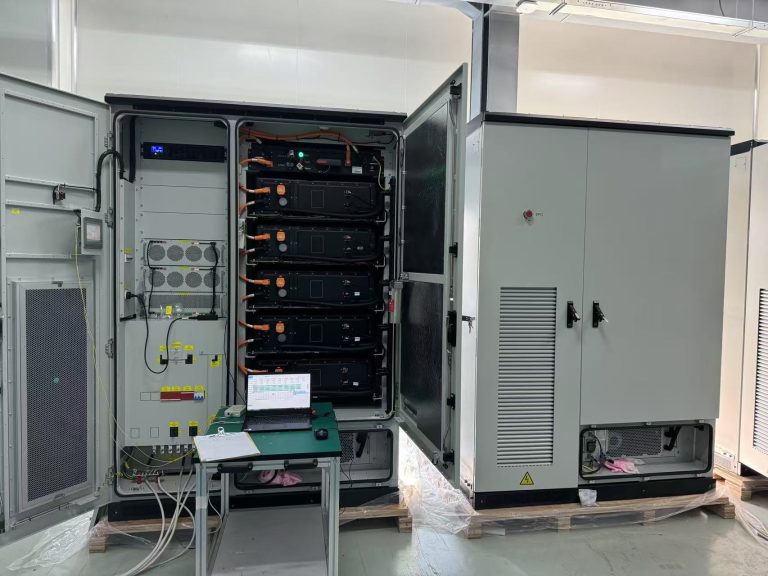
The initial value should be established during BESS site acceptance and performance testing. A signed baseline with meter data, SOC endpoints and temperature records gives both parties a usable reference for later warranty tests.
How Throughput and Cycle Limits Change the Promise
Throughput measures cumulative energy processed by the battery. Some warranties cap discharge throughput, while others count charge energy or use equivalent full cycles. Partial cycles may be summed. Two 50% depth-of-discharge events can count as one equivalent full cycle, but the exact method belongs in the contract.
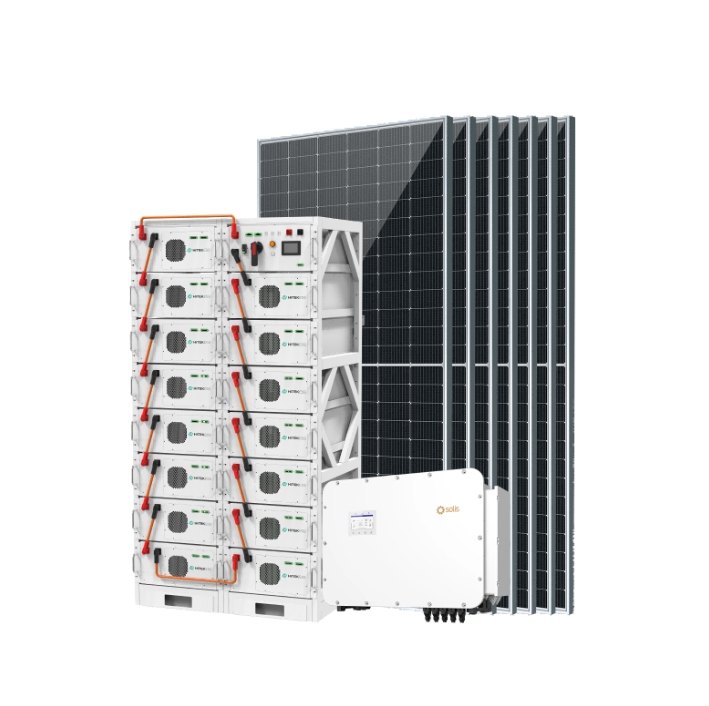
Consider a 1 MWh system scheduled for one full equivalent cycle per day. Ignoring downtime, annual discharge throughput is about 365 MWh. Over ten years that becomes roughly 3,650 MWh before capacity fade is considered. A warranty capped at 3,000 MWh could reach its throughput limit before year ten. The calendar term still appears on the cover page, but the operating profile decides how long the protection lasts.
A high-cycle peak-shaving project and a standby backup project should not use the same warranty assumption. The first accumulates throughput quickly. The second may age mainly through time, temperature and long periods at high SOC. Buyers should compare the proposed dispatch profile with both the annual and lifetime limits.
Operating Conditions That Can Reduce Warranty Coverage
Battery degradation depends on how the system is operated. Warranty schedules therefore define boundaries. These are not footnotes; they are operating requirements that should be translated into EMS limits, alarm rules and owner procedures.
• Maximum and minimum SOC, including reserve held for backup service.
• Charge and discharge C-rate, ramp limits and rest periods where required.
• Cell, module or ambient temperature range and allowable time outside it.
• Annual and lifetime energy throughput or equivalent full cycles.
• Storage conditions and maximum time before commissioning.
• Required maintenance, software versions, event records and remote access.
Operating records should align with the site’s battery health and safety maintenance plan. Missing logs can turn a technical capacity question into a dispute about whether the system was operated within the warranty envelope.
How to Compare Two Battery Warranty Offers
Start by placing both offers against the same duty profile. Use the project power, usable energy, cycles per day, average depth of discharge, temperature band and planned operating years. A higher end-of-term retention percentage may carry a lower throughput allowance or a narrower operating window.
The figures in this comparison are examples, not product claims. Actual values must come from the project warranty schedule. The useful comparison is the warranted energy delivered over the planned operating profile, together with the cost and delay attached to a claim.
Set a Clear Capacity Test Method
A warranty is hard to enforce when the capacity test is undefined. The procedure should state the starting and ending SOC, power or C-rate, stabilization time, ambient or cell-temperature band, meter location, auxiliary-load treatment and data interval. It should also explain how unavailable racks and meter uncertainty are handled.
• Use the same electrical boundary for the baseline and later tests.
• Calibrate meters and record certificates before the test.
• Keep raw trends for power, energy, SOC, voltage and temperature.
• Record alarms, derating and excluded periods instead of deleting them.
• Agree whether the test can be repeated and who pays if the first result fails.
Pre-shipment records from a BESS factory acceptance test should preserve serial numbers, software versions and approved settings. Those records make later changes to the tested configuration easier to trace.
Claim Triggers Remedies and Exclusions
The claim process should say when the owner may request a test, how soon the supplier must respond and what evidence is required. It should also set a deadline for corrective work. A vague promise to restore performance has little value if no response time, acceptance test or cost allocation is written down.
Common exclusions include operation outside temperature or SOC limits, excessive throughput, missed maintenance, unauthorized software changes and damage from site electrical events. Each exclusion should be specific and tied to records. Broad wording that excludes any abnormal operation can leave the buyer carrying most of the risk.
LIB Advantages for Long Term Capacity Management
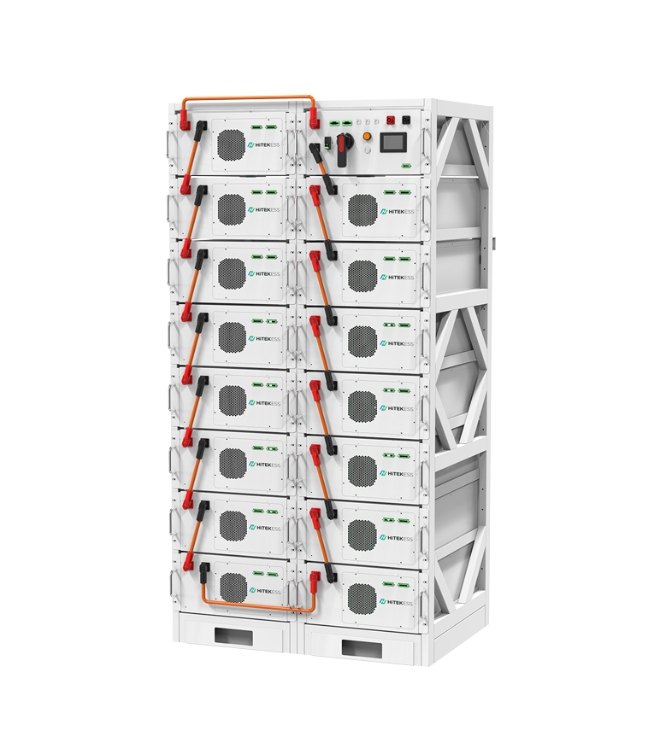
Lithium iron phosphate battery systems suit long-term capacity management because modular racks, cell-level measurements and logged operating limits make performance traceable. The useful product advantage is not a generic cycle-life claim. It is the ability to connect actual temperature, SOC, current and throughput records with a defined degradation schedule.
О компании HITEK ENERGY
HITEK ENERGY provides commercial and industrial energy storage systems for project-specific operating profiles. Final capacity, throughput and warranty values should be taken from the approved project documents rather than a general article or brochure. Project teams can submit duty-cycle and warranty questions through the HITEKESS contact page.
Вывод
A battery degradation guarantee is useful only when capacity, time and operating duty are defined together. Buyers should confirm the baseline energy, retention curve, throughput counting method, SOC and temperature limits, capacity-test procedure, exclusions and remedy. A realistic dispatch model often reveals more than the year-ten headline. Once the terms are agreed, the EMS settings and project records must preserve the evidence needed for a future claim.
Часто задаваемые вопросы
What is a battery degradation guarantee?
It is a contractual promise that usable battery capacity will remain above a stated curve, provided the system stays within defined time, throughput and operating limits.
Is a ten-year battery warranty valid for unlimited cycles?
Usually not. Many ten-year warranties also set annual or lifetime throughput, equivalent full-cycle limits, SOC ranges and temperature conditions.
How is BESS capacity retention measured?
Capacity retention is measured by comparing usable energy from a controlled test with the agreed baseline. Both tests should use the same SOC endpoints, power, temperature range and meter boundary.
What is a battery throughput warranty?
A battery throughput warranty limits the cumulative charge or discharge energy covered during the warranty term. The contract should say where energy is measured and how partial cycles are counted.
What happens if battery capacity falls below the guarantee?
The remedy depends on the contract. It may include repair, module addition or replacement, followed by a repeat capacity test. Labor, freight and site costs should be assigned in advance.
HITEKESS TOP SELLING LIFEPO4 BATTERIES
1. Hitek 51.2V 300ah LiFePO4 Battery 15kwh for Energy Storage System Li-ion Battery 48V 100ah 200ah 280ah Home Solar System Storage
Модель: HT-15KWH
2. Hitek 48 Volt LiFePO4 Battery 100ah 100 Ah Lithium Solar Battery 48 V 200 Ah 10 Kw UPS 48V Lithium Ion Battery Holder
Model: HT-05LW
3. Lithium Battery Home Storage Battery Lithium Solar Battery 200ah 40kwh Lithium Battery High Voltage Stacked Battery LiFePO4 Solar Battery
Модель: HT-30HS
4. Hitek Deep Cycle Battery 51.2V 48V 5kwh 10 Kwh 15 Kwh 15.36kwh Lithium Iron Phosphate 300ah 302ah 320ah 280ah Lf280K Battery Bateria for Solar System
Модель: HT-15KWH
5. Hitek Long Life Cycles Solar Power Battery 48 Volt 100ah 16s BMS LiFePO4 300A UPS 48V Lithium Battery Prices 10kwh 5kwh
Model: HT-05LW