The inverter acts as the heart of any solar power setup. It changes DC power from solar panels into AC electricity for your house or office. But inverters can run into problems at times. These issues might hurt the system’s efficiency and dependability. Learning about common inverter troubles and how to fix them can help you get the most out of your setup. It can also stop expensive fixes.
In this piece, we will look at 7 main inverter problems. We will cover their reasons and simple tips to fix them. This will keep your solar power setup running well.
1. Overheating: Spotting and Fixing Heat Problems
Heat buildup is a frequent issue. It can make inverters stop working or work less well. Things like warm air around it, poor air flow, and too much work can lead to this.
Troubleshooting Tip:
- Air Flow: Make sure the inverter sits in a spot with good air movement. Do not put it in tight spots or close to hot things. If it is in a closed area, think about adding fans or a cooler to boost air.
- Surrounding Heat: Look at the heat limit of your inverter. Keep it running in the maker’s suggested range. If it gets too warm, it will turn off on its own to avoid harm.
- Routine Care: Wipe the inverter’s air holes and fans often. Get rid of dust or junk that blocks air. Steady cleaning helps the inverter stay cool and work best.
2. Wrong Sizing: Making Sure Solar Panels and Inverter Fit Well
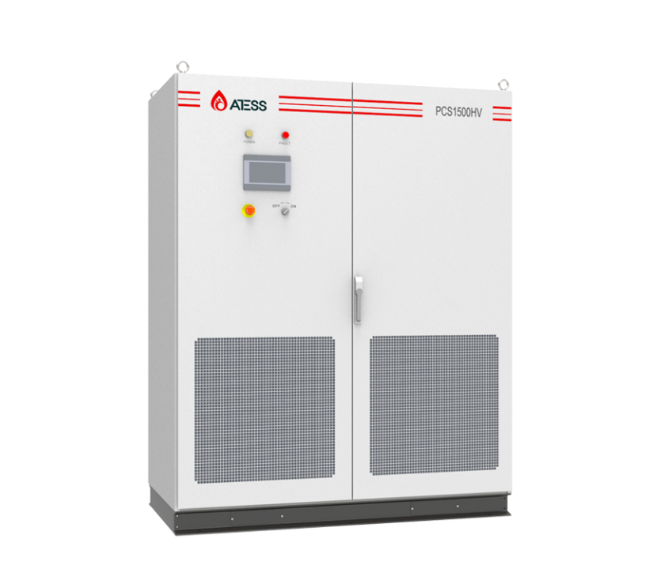
A badly sized inverter can cause many troubles. These include too much load, weak output, or poor power change. If the inverter is too tiny for the setup, it may have a hard time handling power from the solar panels. A too big one can mean extra costs and waste.
Troubleshooting Tip:
- Fit Inverter Power with Solar Panel Output: Check that the inverter matches the total watts from your solar panels. A basic rule says the inverter’s top output should equal or go a bit over the top power of your solar array.
- Review Setup Needs: If you add more panels or grow your setup, change the inverter power too. Guessing too high or too low could affect how well it works and how much it costs.
3. Wiring and Link Problems: Looking for Loose or Rusty Contacts
Bad wiring and weak links are big reasons for inverter failures. Loose wires or rusty connectors can lead to power cuts now and then. They might cause full stops or lasting harm to the inverter.
Troubleshooting Tip:
- Check All Wire Links: Look over all wire links from time to time. Make sure they are tight and without rust. Fix or swap loose or rusty ones to get things working right.
- Pick Good Stuff: Use strong, weather-proof cables. This is key for outside setups. Good cables help keep steady power and cut down on electric faults.
- Seal Against Water: If the inverter faces outside weather, seal all links well. This stops water from getting in. Water can cause short circuits and other bad problems.
4. Inverter Stops: Finding Software or Hardware Faults
Inverters can stop without warning. This happens from grid errors, software mistakes, or part failures. A quick shift in grid power, too much load, or a broken piece inside can cause it.
Troubleshooting Tip:
- Look at Grid Setup: Make sure grid power and speed stay in safe limits. Fast changes or shaky grid might make the inverter stop to stay safe. You can check grid details with a watch system or by calling your power company.
- Reset and Refresh: If there is a software hitch, try a full reset or update the software. This can fix problems from old software. It can also make the setup work better.
- Error Messages on Inverter: Check the inverter’s guide to understand codes on the screen. These codes give hints about the stop. It could be a power issue, inner part fault, or something else.
5. Output Drop: Keeping Good Efficiency Over Time
As time goes on, inverters might work less well. This comes from wear, dirty parts, or old software. Steady checks and care are needed to keep the inverter at top shape for its whole life.
Troubleshooting Tip:
- Steady Watching: Use an online watch system or app to follow your inverter’s work. Watch things like power change rate, output power, and how often it stops. If you see a drop in work, it might mean you need care or changes.
- Software Updates: Check now and then if your inverter’s software is current. Makers send out updates that boost work, fix errors, or add fresh tools. Make sure your inverter runs the newest version to skip possible troubles.
- Wipe the Setup: Dust, grime, and junk can build up on the inverter. This cuts cooling. Clean the air holes and open parts often to keep air flowing well and stop heat buildup.
6. Battery Charge Problems in Mixed Setups
In mixed setups with energy storage, charge issues can hurt the whole work. Wrong setup, bad wiring, or faults in the battery control can stop batteries from filling right.
Troubleshooting Tip:
- Look at Батарея Links: Check links between the inverter and battery group. Ensure they are tight and without rust or harm. Weak links can mess up charging and cause low or high charge in batteries.
- Check Battery Options: Look again to see if the inverter is set right for the battery kind. Some inverters have charge options based on battery type like lithium-ion or lead-acid. Setting these right keeps batteries healthy and charges well.
- Battery Check: If the battery does not charge right, it might mean the battery is old or hurt. If it is close to the end of its life, swap it to get the setup working well again.
7. Grid Fit Problems: Adjusting to Local Grid Setup
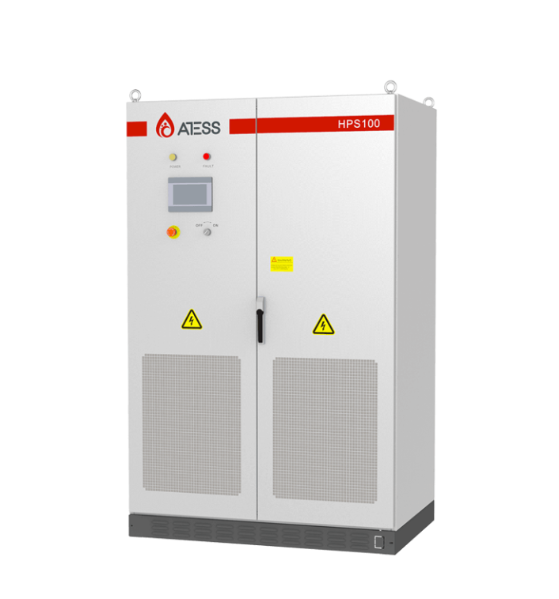
Inverters need to fit local grid setup for smooth work and to skip faults. Area grid rules often need special inverter options to help grid steadiness. This includes power changes, speed shifts, and grid help tasks.
Troubleshooting Tip:
- Look at Grid Rule Fit: Make sure your inverter is set to meet local grid rules. These needs change by area and often shift with the power company’s specs. Inverter makers usually give software or hardware to fit the inverter to certain area needs.
- Change Inverter Options: Some inverters change on their own to grid shifts. But sometimes you need hand changes. Check the inverter’s guide to set it for local grid details like power control, speed help, and reactive power care.
About HITEK ENERGY CO., LTD
ХИТЕК ЭНЕРГИЯ КО., ЛТД is a top manufacturer that focuses on new, steady solar inverters. They meet world industry rules. With a stress on energy saving, safety, and high tech, HITEK ENERGY gives inverters for home, business, and factory use. HITEK ENERGY’s products aim to boost solar setup work. They also make sure to follow local and world rules. This gives buyers steady and long-lasting energy fixes.
Вывод
Solar inverters are key for solar power setups to work right. But like any electric part, they can face issues that hurt work. By knowing common troubles like heat buildup, wrong sizing, and wiring problems, you can act early to fix and care for your inverter well. Steady care, right setup, and knowing local rules are vital. They help keep your solar setup steady and long-lasting.
Часто задаваемые вопросы
1. How do I stop my solar inverter from getting too hot?
Put the inverter in a spot with good air. Clean the air holes often. Watch the surrounding heat to keep it in safe limits.
2. Why does my inverter not work at full power?
Look at the software version. Check for harm or grime. Make sure it fits your solar panel setup. Steady checks can find the reason.
3. What makes an inverter stop without warning?
Stops often come from grid troubles, software hitches, or too much load. Check grid power. Reset the inverter. Or update software to fix many issues.
4. How can I see if my inverter fits my solar setup right?
Look at the total watts from your solar panels. Match it to the inverter’s power. Make sure the inverter can take the top output from your setup.
5. What to do if my mixed inverter does not charge the battery?
Look at links between the inverter and battery. Check charge options for the battery kind. Look at the battery’s health.
HITEK ENERGY Top Selling Solar Inverters
- Hitek 120/240V Split Phase Us Voltage Home Storage Hybrid Solar Inverter 10kw 15kw 20kw Hitek Energy off Grid Inverter
Model: HT-IN10KW-US
- Deye 3phase 8kw 10kw 12kw Hybrid Solar Inverter 380VAC 10000W on off Grid Inverter with Low Voltage Battery
Model: DEYE-SUN-10K-SG02LP1-EU-AM3
- Atess All-in-One Inverter Hybrid Solar Inverter 500kw 300kVA 200kVA 150kVA 100kVA 50kw 30kw Inverters with Factory System
Model: HT-HPS150
- 10 Years Warranty Deye 8kw 10kw 12kw 48V 3 Phase Hybrid Homage MPPT Inverter EU Market Warehouse
Модель: SUN-10K-SG04LP3-EU
- Deye Single Phase 220V 230V 5kw 6kw 8kw Solar Hybrid Power Inverter for Home Use Ready for Delivery
Модель: SUN-6K-SG03LP1-EU