Energy landscape across the globe is changing rapidly. There is need for more efficient and innovative solutions in reducing the carbon footprints. There is need to reduce energy costs and improve the energy systems. When compared to other renewable sources of energy, solar power plants are a realistic solution for generating clean electricity. Solar PV generation has been on an increase globally.
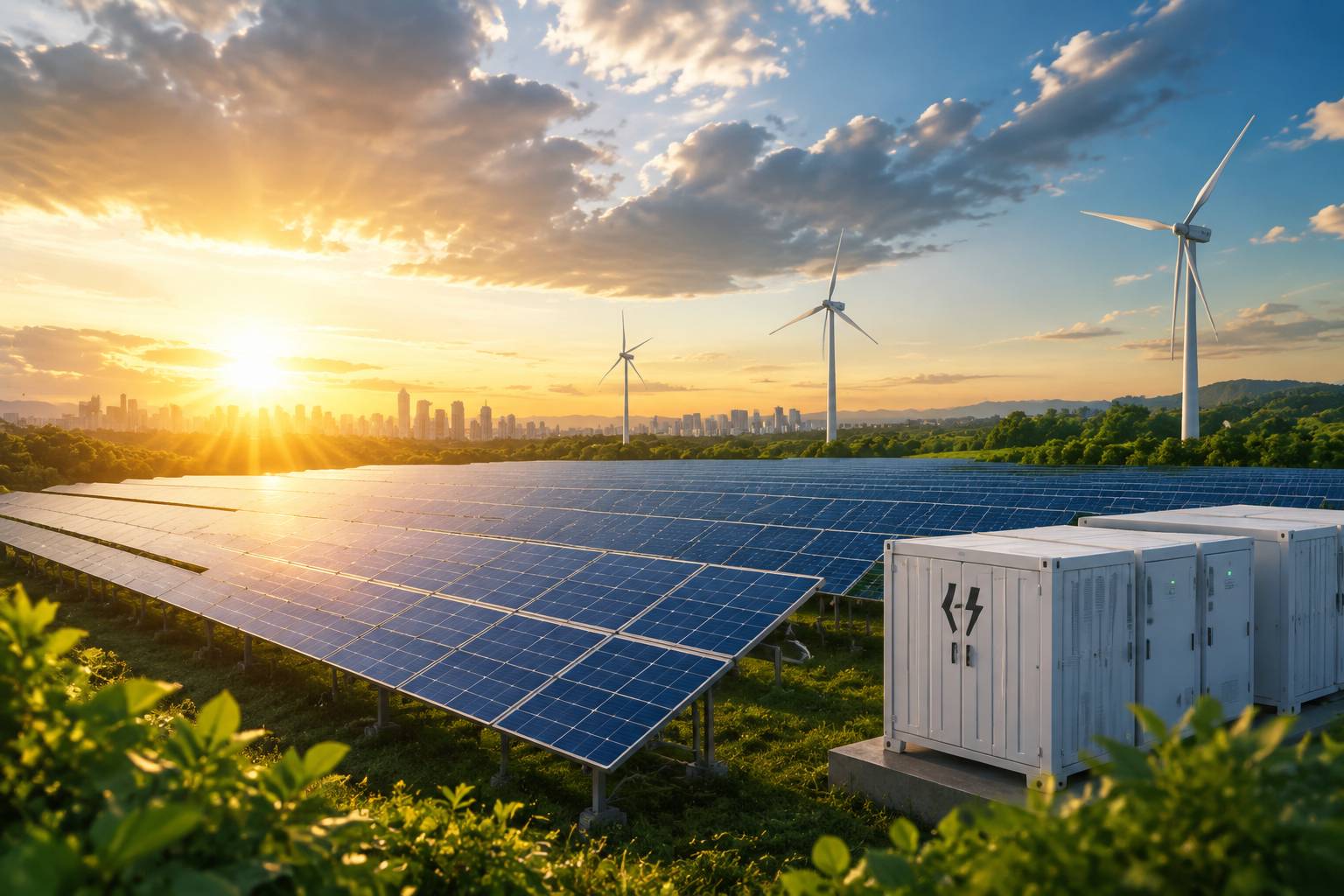
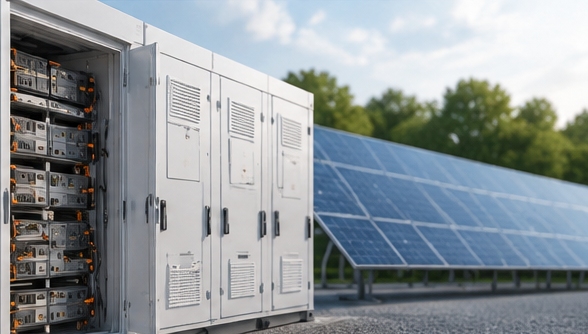
A solar farm is not just a field of panels. It is a full energy setup. It joins solar generation, power conversion, monitoring tools, and more often now, battery storage. With solar energy storage systems, these farms can deliver steadier and more flexible power. This works well for factories, shops, and utility needs.
This piece covers how solar farms operate. It also looks at their main gains and why solar-plus-storage options now matter so much in the move to clean energy.
What Are Solar Farms and How Do They Work?
Solar farms are big photovoltaic sites built to make electricity from sunlight. They differ from small home systems on roofs. These farms take up more space. They send power to factories, businesses, local groups, or the wider grid.
The basic steps in a photovoltaic solar farm look like this:
- Solar panels take in sunlight and turn it into direct current (DC) electricity.
- Solar inverters change the DC power into alternating current (AC) power.
- Energy management systems track how much power is made and used.
- The electricity goes to nearby users or links to the grid.
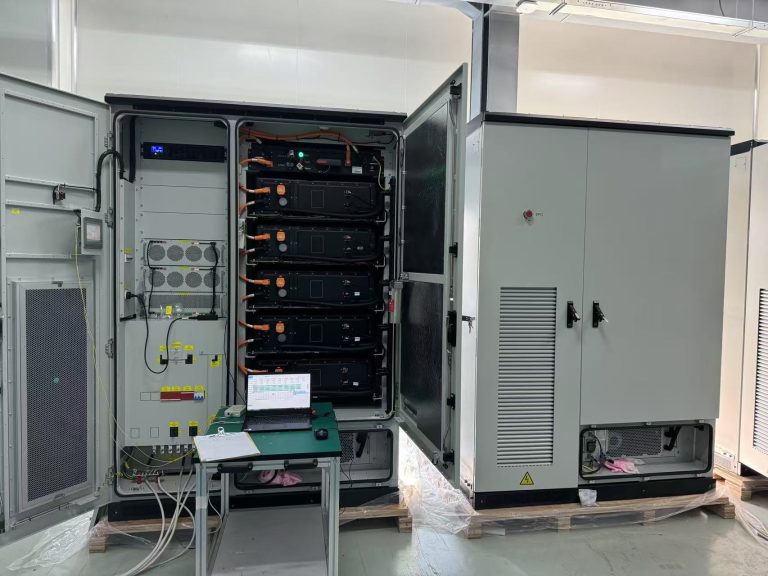
A modern solar PV system does more than just create power. It also helps manage energy better. When paired with a battery energy storage system (BESS), extra solar power made during the day can be kept. Then it can be used later when demand rises.
This mix helps fix one big issue with renewable energy. Solar output changes with weather and daylight. Storage lets solar farms supply power even after the sun goes down.
Why Solar Farms Are Becoming a Clean Energy Solution
Demand for clean energy keeps rising. Industries look for options beyond fossil fuels. Solar farms offer a flexible answer. They can fit many needs, from smaller business projects to large utility-scale sites.
Key advantages include:
| Benefit | Description |
| Renewable power generation | Solar farms make electricity from sunlight with no direct carbon emissions while running |
| Lower energy costs | Businesses can cut their reliance on regular power sources |
| Energy independence | Solar systems give organizations more control over their power supply |
| Scalable installation | Projects can grow to match future energy needs |
Solar farms also back long-term green goals. For factories, warehouses, farms, and big buildings, solar energy solutions can lower running costs. At the same time they help meet environmental targets.
Key Benefits of Solar Farms for Businesses and Industries
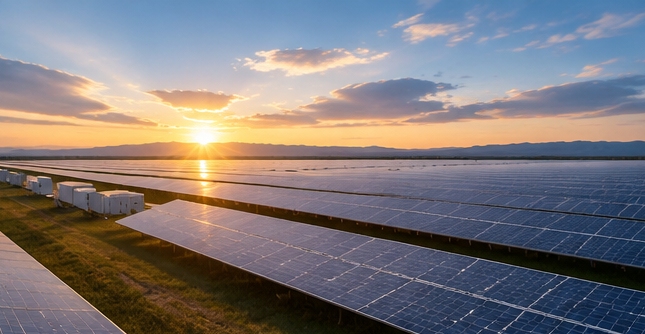
Corporate firms are increasingly finding solar plants attractive because they require stable and cheap energy. Industries using much energy suffer from higher costs and unstable supply of energy. The use of solar energy enables them to produce energy nearby.
Lower Long-Term Energy Expenses
Power bills form a big part of costs for many firms. A commercial solar system can create electricity right where it is used. This cuts the amount bought from the grid.
Take a factory that runs mainly in daylight. It can use solar power from its roof or a nearby setup. This lowers energy spending and boosts overall efficiency.
Reliable Power Support with Energy Storage
Solar output peaks in daylight. Yet many businesses need power at night or during high-demand times. A solar battery storage system fixes this by holding unused power for later.
Lithium-ion solar batteries see wide use in storage. They offer:
- High energy density
- Longer service life
- High charging efficiency
- Lower maintenance needs
Against older battery types, lithium-based systems hold more energy in less space. They also perform better for renewable setups.
Supporting Energy Independence
Energy security matters more for companies in places with shaky supply. Solar farms plus battery storage let businesses keep power during grid outages.
Uses include:
- Manufacturing facilities
- Data centers
- Agricultural operations
- Remote industrial sites
- Commercial buildings
In spots without solid grid access, off-grid solar systems give a standalone power source. Lithium solar batteries store extra daytime energy and release it when the sun is gone.
Solar Farms with Battery Storage: The Future of Renewable Energy
Solar energy is moving toward full solar-plus-storage setups. Solar farms create clean power. Battery energy storage systems add flexibility and steady supply.
A solar battery storage system gathers unused solar power when production is high. That stored energy can then be used during:
- Evening demand spikes
- Cloudy days
- High-price periods
- Emergency needs
This method raises how much renewable power gets used. It also cuts waste.
Battery storage grows more vital as solar use expands. Systems need extra flexibility. Storage balances supply and demand. It also helps fold more renewable power into the wider grid.
Common Applications of Solar Farms and Storage Systems
Solar farms serve many sectors. Renewable power can meet different daily needs.
| Application | Energy Benefits |
| Industrial solar power system | Supports factories with high electricity demand |
| أنظمة شمسية تجارية | Reduces operating costs for offices and buildings |
| Off-grid solar system | Provides electricity in remote areas |
| Backup power system | Maintains critical operations during outages |
For industrial users, solar energy solutions help manage energy use. They cut peak demand and raise power reliability.
For commercial users, solar systems with storage help shape daily usage patterns. They also reduce reliance on outside suppliers.
How to Choose the Right Solar Energy Solutions Provider
Picking the right supplier matters a lot for solar farm plans. A solid solar energy solutions provider should offer more than single parts. Full project skills, technical help, and system integration experience count.
Important points include:
Technology Capability
A skilled supplier needs to know photovoltaic systems, battery storage links, and varied use cases.
Complete Energy Solutions
Today’s projects often need combined packages. These cover solar generation, energy storage, monitoring tools, and after-sales care.
Manufacturing Experience
Partnering with an experienced solar panel maker or energy storage products maker helps lock in steady quality and long system life.
عن شركة هيتيك للطاقة المحدودة
شركة هيتيك للطاقة المحدودة focuses on energy storage products and renewable energy solutions for many settings. HITEKESS offers options that support home, business, and industrial energy needs through solar power and storage tech.
As an energy storage products manufacturer, HITEK ENERGY builds solutions that help customers raise energy efficiency, boost power reliability, and reach cleaner energy management. Its services include product support, system solutions, and tailored energy uses.
With rising need for renewable energy solutions, firms want partners who grasp both generation and storage. HITEK ENERGY aims to deliver practical options that link solar power production with modern storage needs.
استنتاج
Solar farms form a core part of the global shift to clean energy. They give a flexible way to create renewable power. They also help businesses lower energy costs and improve sustainability.
Joining solar farms with battery storage creates a more adaptable energy system. It can deliver steady power even when sunlight is missing. As renewable use grows, solar energy solutions will matter more in industrial, commercial, and community power setups.
For groups seeking cleaner and more dependable electricity, putting money into solar farms with advanced storage tech is a smart move toward a lasting energy future.
الأسئلة الشائعة
What is a solar farm?
A solar farm is an extensive installation that employs solar panels to produce electricity using solar energy. This type of solar farm is able to produce renewable energy for companies, communities, and even grid systems.
How can solar farms help to produce clean energy?
These solar power farms generate renewable power through sunlight and not from fossil fuels; therefore, these help reduce carbon emissions and produce clean energy.
Can solar farms integrate with battery storage systems?
Yes, solar farms can integrate with a solar battery storage system in order to store extra electricity produced during the day and use it during night time.
For which industries can industrial solar power systems be beneficial?
Industries such as manufacturing plants, warehouses, agricultural sites, and remote industries can benefit from industrial solar power systems.
Why is solar energy technology necessary for business organizations?
The solar energy technology helps businesses to save on energy costs, be energy self-sufficient, and promote environmental consciousness using renewable energy production.
HITEKESS BEST SELLING SOLAR ENERGY POWER SYSTEMS
- Hitek 100kw 200kwh Ess Outdoor Cabinet 380V 3phase 50kw 100kw PCS Inverter Battery Storage System with 100kwh 200kwh 229kwh Lithium Ion Battery Backup
نموذج: HTAC-100/200-OD
- Hitekess Professional Design Hybrid off Grid Photovoltaic System 100 Kw 150kw 250kw 500 Kw 500kw All in One Complete Solar Panel Battery System
نموذج: HT500KW-HY
- هيتيك قبالة شبكة نظام الطاقة الشمسية 60kw 100kw 120kw 200kw 250kw 300kw 400VAC الهجينة بيس بطارية شمسية نظام تخزين الطاقة مع بطارية LiFePO4 200kw 500kwh
نموذج: HTCI-100KW / 200KWh
- 30 Kwh 50kwh 100kwh 200kwh Hitek Commercial Solar Systems off Grid 30 Kw 50kw 100 Kw Ess Storage Energy Solar Panel Hybrid System Kit
نموذج: HT100KW-HY
- هيتيك كل في واحد قبالة الشبكة 50kw 100kw 150kw 200kw 250kw 500kw نظام تخزين الطاقة البطارية الشمسية بيس 1MW النظام الشمسي الهجين مع مجلس الوزراء البطارية الموزعة
نموذج: HT-100/200-OC