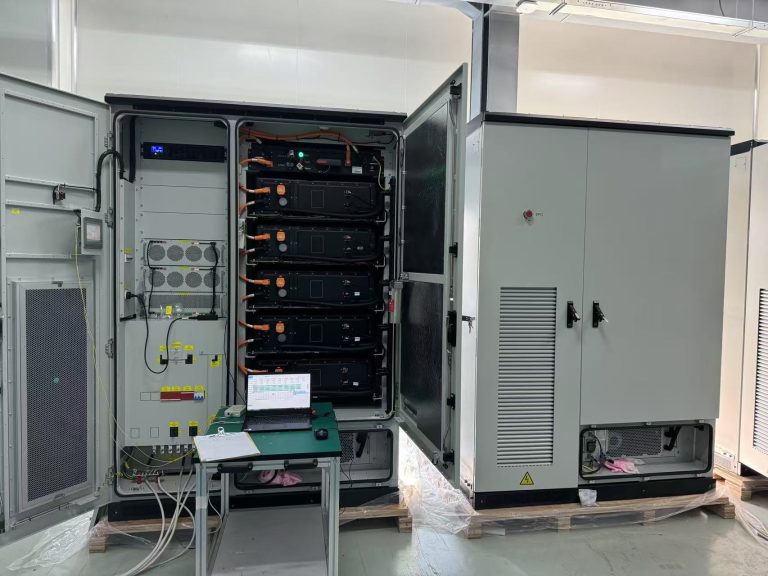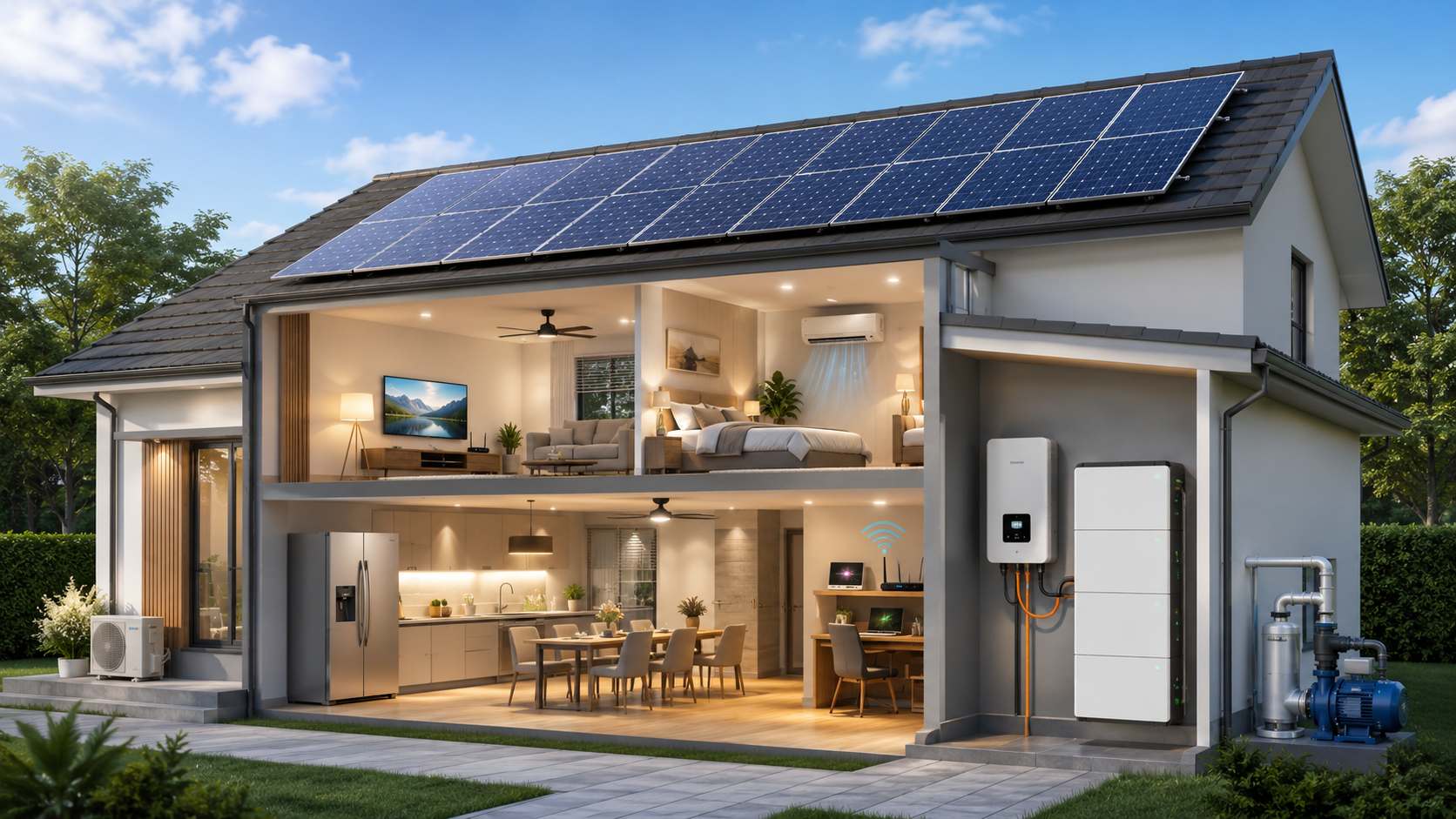
A power outage can differ significantly from home to home. For example, one home may require to power lights, a refrigerator, a WiFi connection and a water pump. Another home may require the power to air conditioning, cooking appliances, security cameras and a home office. A 15kW 30kWh home solar battery system is a serious residential backup solution.
The more important thing is to know for how long you can run your appliances off your stored power without loosing any.
15kW and 30kWh Do Not Mean the Same Thing
Many buyers see “15kW” and “30kWh” and treat them as one number. They are different. The 15kW rating is power output. It shows how much electricity the inverter can supply at one moment. The 30kWh rating is stored energy. It shows how much electricity the battery can hold for later use.
A simple way to read it is:
15kW answers: “How many appliances can run at the same time?”
30kWh answers: “How long can those appliances keep running?”
A refrigerator, lights, router, TV, and a few fans may only draw 1–2kW. At that level, a 30kWh home battery can last for many hours. If several air conditioners, a pump, an oven, and a washing machine run together, the load may jump to 6–10kW. Runtime then drops fast.
That is why a home battery backup system should never be judged only by battery size. Inverter output, surge power, solar charging, reserve settings, and daily habits all matter.
What Appliances Can a 15kW 30kWh System Run?
A 15kW 30kWh home solar battery system can support most common household appliances when essential loads and comfort loads are planned separately. It can run a refrigerator, freezer, LED lights, WiFi, laptops, TV, fans, security devices, a water pump, washing machine, microwave, and selected air conditioners.
The table below gives a practical view of common household loads. Real values change with appliance age, efficiency, climate, and usage time.
| Appliance | Typical Power Range | Common Daily Use | Estimated Daily Energy |
| Refrigerator or freezer | 100–300W | Cycling all day | 1–2kWh |
| LED lights | 100–300W total | 4–6 hours | 0.4–1.8kWh |
| WiFi, laptop, phones | 80–250W | 6–10 hours | 0.5–2.5kWh |
| TV and media devices | 100–250W | 3–5 hours | 0.3–1.25kWh |
| Ceiling fans | 50–300W total | 6–10 hours | 0.3–3kWh |
| Water pump | 750–1,500W | 0.5–2 hours | 0.4–3kWh |
| Microwave or kettle | 1,000–2,000W | Short use | 0.2–0.8kWh |
| Split air conditioner | 1,000–3,500W | 4–8 hours | 4–20kWh |
This load list shows why air conditioning is usually the deciding factor. One efficient split unit used at night may be easy to support. Several large units running for long hours can drain even a large battery.
A Simple Backup Time Calculator
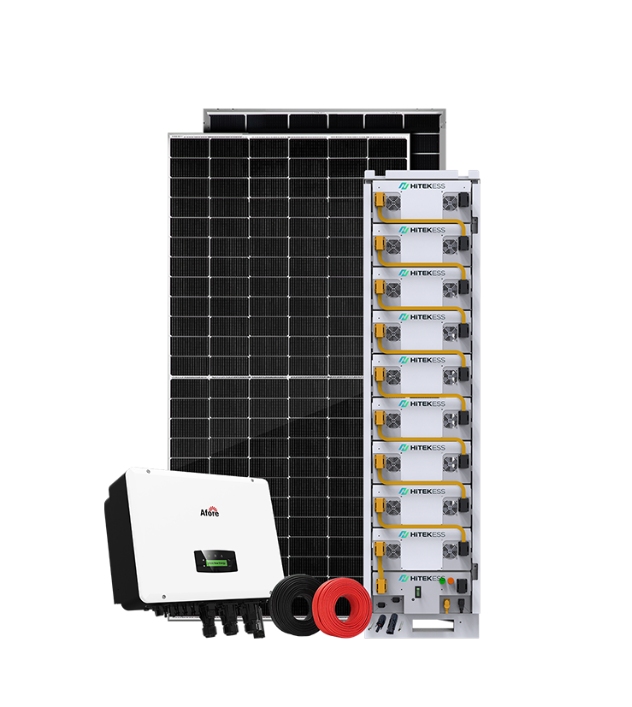
A useful solar battery runtime calculator does not need to be complicated. The basic formula is:
Backup time = usable battery capacity ÷ total running load
If a battery stores 30kWh and the usable capacity after reserve and conversion loss is about 27kWh, the estimate becomes easy to read.
If the home is using 1kW, backup time is about 27 hours.
If the home is using 3kW, backup time is about 9 hours.
If the home is using 6kW, backup time is about 4.5 hours.
These numbers are estimates, not fixed promises. Real home solar battery backup time changes with sunlight, battery settings, outdoor temperature, appliance cycling, and user behavior.
Real Backup Scenarios for a 30kWh Home Battery
Different homes use the same battery in very different ways. A clear load plan often brings more value than simply adding extra capacity.
Essential Backup Mode
This mode powers the refrigerator, freezer, basic lighting, WiFi, phone charging, security devices, and perhaps one fan.
Typical running load: 1–2kW
Estimated backup time: about 13–27 hours
It suits homes that mainly need food protection, communication, safe lighting, and overnight power.
Comfortable Home Mode
This mode adds TV, laptops, ceiling fans, a water pump, short microwave use, and one efficient air conditioner.
Typical running load: 2–4kW
Estimated backup time: about 7–13 hours
This is a common target for families in weak-grid areas. The home does not feel shut down, but heavy appliances are still scheduled carefully.
Heavy Load Mode
This mode is close to whole home battery backup. It may include multiple air conditioners, a pump, kitchen appliances, entertainment devices, and home office equipment.
Typical running load: 5–10kW
Estimated backup time: about 2.5–5 hours
A 15kW inverter can handle large short-term loads, but the battery will empty faster if the house behaves as if the grid were still available.
Can It Run Air Conditioning and Water Pumps?
Yes, a 15kW 30kWh home solar battery system can run air conditioning and water pumps, but sizing must include both running power and starting surge. Motors often draw extra power for a short moment when they start. Pumps, compressors, and older appliances can be harder on the inverter than their normal wattage suggests.
For air conditioning, the number of units matters more than the label “AC.” One efficient room unit may run for several hours. Three large units in hot weather may use most stored energy in one evening. A practical plan may cool one or two rooms at night, pre-cool the house during sunny hours, and avoid running pumps and kitchen heating appliances at the same time.
Is 30kWh Enough for Whole-Home Backup?
A 30kWh home battery can be enough for one day of essential or moderate backup in many houses. It may also support short periods of whole-home use. It is not unlimited power.
The answer depends on daily energy use. A house using 12–18kWh per day may find 30kWh generous for essential backup. A larger home using 35–50kWh per day, especially with heavy cooling or electric heating, will need tighter load control or extra storage.
Solar charging changes the result. In sunny weather, solar panels can recharge the battery during the day and stretch backup time into the evening. In cloudy weather or long outages, the same system needs stricter load planning.
How to Check Your Loads Before Buying
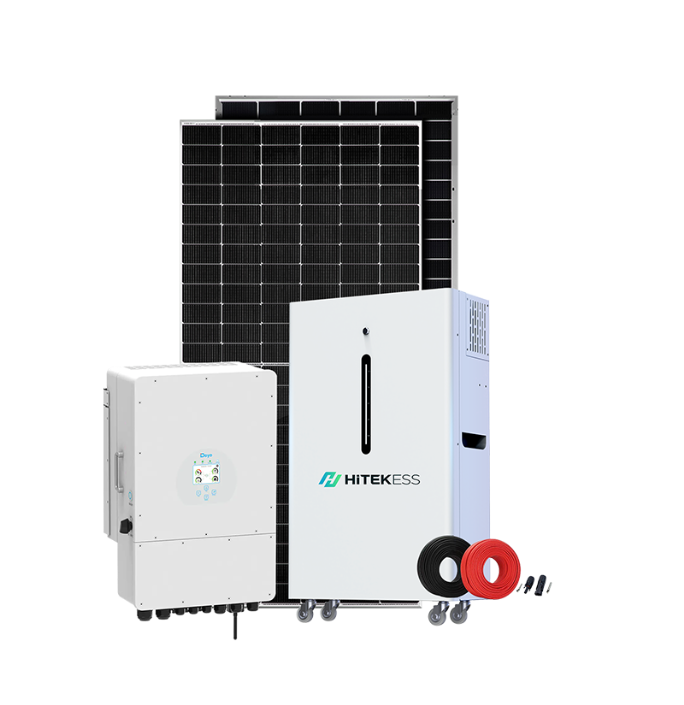
Before choosing a residential energy storage system, the buyer should make a simple appliance list. This prevents disappointment after installation and helps installers design the right hybrid solar system for home use.
Check these items first:
- Which appliances must run during an outage?
- What is the wattage of each appliance?
- How many hours will each load run per day?
- Are there motors, pumps, or compressors with high surge power?
- Is the goal essential backup or whole-home backup?
- Will solar panels recharge the battery during the day?
This checklist is also useful for distributors and solar installers. It turns a vague customer request into a clear technical discussion.
Why a Hybrid Solar System Makes More Sense
A battery-only backup system can help during an outage, but it depends on stored grid power. A hybrid solar system for home use can draw from solar panels, the battery, and the grid, then switch between sources based on demand and availability.
For homes in high electricity price areas, the system can store solar power during the day and use it at night. For weak-grid areas, it can reduce generator use and keep key loads running during frequent outages. For off-grid homes, solar charging and battery storage work together as the main power source.
About HITEK ENERGY CO.,LTD
هيتيك الطاقة المحدودة is an energy storage products manufacturer, specially Lithium battery modules & systems & complete solutions for residential, commercial, utility & backup power etc, including residential energy storage systems, lithium ion batteries, solar inverters, solar panels, grid tie solar systems & big battery energy storage systems etc.
A 10-30kW Solar System is perfect for many large homes, villas, farms and properties on weak grids as it offers a great combination of backup power, solar self use and daily comfort. Buyers who want realistic sizing and load-based design should create a list of appliances and then purchase after discussing their requirements with supplier.
استنتاج
HITEKESS 15kW 30kWh home solar battery system can run far more than emergency lights. With good load planning, it can power refrigerators, lights, WiFi, fans, TVs, pumps, kitchen appliances, home office devices, and selected air conditioning. The key is to separate essential loads from heavy comfort loads.
A 3-4kW Solar System is perfect for many large homes, villas, farms and properties on weak grids as it offers a great combination of backup power, solar self use and daily comfort. Buyers who want realistic sizing and load-based design should create a list of appliances and then purchase after discussing their requirements with supplier.
الأسئلة الشائعة
How long can a 30kWh battery power a house?
A 30kWh battery will be able to power necessary loads for a day depending on the true capacity of the battery and the total amount of load present. With 6–10kW loads, runtime is likely to be in the order of hours as opposed to days.
Can a 15kW inverter run a whole house?
A 15kW inverter can support many typical household loads to be operated at the same time. The typical numbers of air conditioners, pumps, ovens, washing machines, etc. that can be supported are provided in the final answer.
Can a 30kWh solar battery run an air conditioner?
Yes. The runtime for any unit is determined by several factors including the unit’s power rating, outdoor temperature, room size, room insulation and the number of other high powered appliances operating at the same time.
What appliances should be backed up first?
Refrigerator, freezer, lights, WiFi, phone charging, security system, medical devices, fans and water pump. Then add air conditioning and kitchen appliances to the essential load.
HITEKESS Hot Selling Home Solar Power System
1. Ukraine Complete Set Solar Battery Storage Systems 10kw 15kw 20kw 30kw 20kVA 30kVA Hybrid Solar System with Lithium Battery for Home Use
نموذج: HT20KW-HY
2. Hitek Energy 5kw 10kw 15kw 20kw Solar Power System Complete Set Three Phase 10kw 15kw 20kw 30kw Hybrid Solar Energy Storage System with LiFePO4 Battery
نموذج: HT30KW-HY
3. Complete off Grid Solar Power System 30kw 20kw Solar Battery Storage Systems 10kwh Ht Solar 10kw Price for The Whole House
نموذج: HT30KW-HY
4. Hitekess Complete Set 3kw 5kw 5000W 5kwh 10kwh 15kwh PV Storages 10kw off Grid Solar System Solar 10kw Complete Energy System for Home Use
نموذج: HT5KW-OFF
5. Hitek off Grid 1kw 2kw 3kw 3 Kw 3000W 5kw 5000W 10kw Single Phase Hybrid Solar PV System Battery AC Solar Home Power System
نموذج: HT5KW-OFF