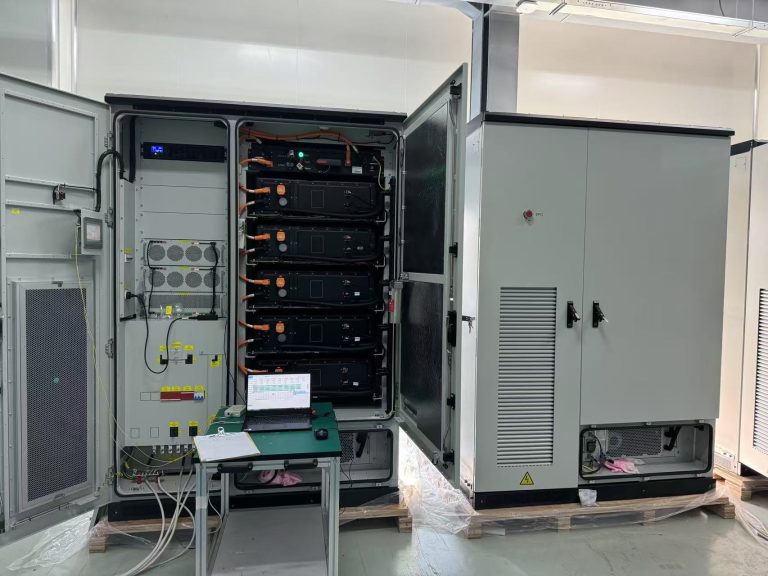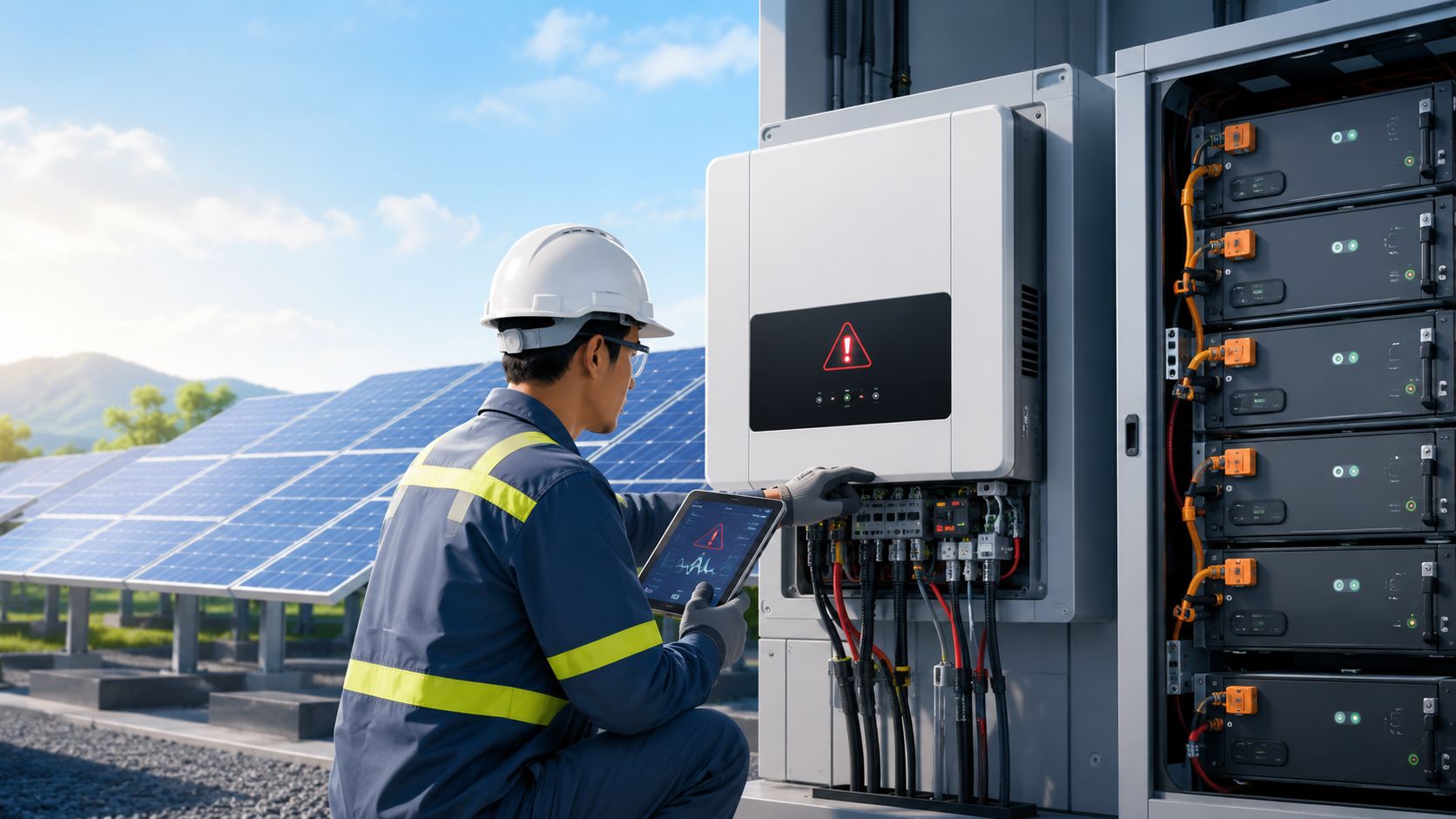
A solar inverter fault is not just a blinking light. For a plant owner, EPC contractor, facility manager, or distributor, it can mean lost generation, battery downtime, failed backup power, or an unhappy client. The fastest way to reset an inverter fault is not to press every button. The right way is to read the inverter fault code, check the AC side, DC side, battery, temperature, and communication link, then restart the system in a safe order. This guide explains how to reset an inverter fault, decode solar inverter fault information, and reduce repeat shutdowns.
What an Inverter Fault Really Means
An inverter fault means the inverter has detected an operating condition outside its safe range. In solar plus storage systems, one warning may come from the PV array, battery pack, BMS, grid, or inverter cabinet.
In a home system, this may look like a red light and zero power export. In a commercial rooftop system, it may show as lost generation during peak sun. In a factory energy storage project, the same solar inverter fault may stop peak shaving or backup operation. Treat the inverter fault code as a clue.
Common Solar Inverter Fault Codes and Field Causes
Most inverter brands use different code numbers, but the fault categories are similar. Good inverter troubleshooting starts by grouping the alarm.
| Fault information | Common field cause | First check |
| Grid fault | Voltage or frequency outside range | AC breaker, grid meter, grid setting |
| DC over voltage | PV string voltage too high | String design, cold morning voltage |
| Battery fault | Low voltage, high voltage, or BMS alarm | SOC, battery breaker, BMS screen |
| Insulation fault | Leakage current or poor grounding | PV cable, connector, wet junction box |
| Over temperature fault | Heat, dust, fan failure, blocked airflow | Fan, filter, cabinet spacing |
| Communication fault | Lost link with BMS, EMS, or monitoring | CAN, RS485, Ethernet, address setting |
| Overload fault | Load exceeds rated output | Motor start current, backup load list |
A fault at dawn may point to high PV string voltage in cold weather. A fault on a hot afternoon in a metal equipment room may suggest heat buildup. A warning after battery replacement often points to BMS communication, protocol selection, or cable pinout. Time, weather, and load all matter.
How to Reset an Inverter Fault Safely
A reset works only when the original condition has cleared. If the inverter fault keeps coming back within minutes, the problem is still active. Use the fault record as the starting point.
Step One: Record the Inverter Fault Code
Before shutting anything down, take a photo of the display or monitoring page. Record the code number, message, time, PV voltage, battery voltage, grid voltage, temperature, and operating mode. Do not clear the log first. Fault history is often more useful than the live screen.
Step Two: Check the AC and Grid Side
For a grid fault, look at the AC breaker, grid voltage, frequency, phase sequence, and neutral connection. In weak-grid areas, voltage may rise when nearby PV systems export power at noon. In industrial parks, large motors may cause dips or spikes.
If grid fault alarms repeat, check whether inverter settings match local grid code requirements. Do not widen protection limits without approval.
Step Three: Check PV Strings and DC Input
For DC input fault, compare actual PV string voltage with the inverter input range. Cold weather can raise open-circuit voltage. Loose connectors, water inside junction boxes, damaged cable jackets, or wrong string polarity can also trigger inverter fault information.
If an insulation fault appears after rain, stop guessing. Wet cables and poor grounding need a proper insulation resistance test. Repeated resets may create safety risk.
Step Four: Check Battery and BMS Status
In hybrid solar inverter systems, the battery is often the source of the warning. Check battery SOC, voltage, temperature, breaker position, and the BMS screen. A battery communication fault may come from a loose CAN or RS485 cable, wrong port, wrong battery type in the menu, or mismatched address settings.
After battery service, many systems need the battery and BMS to wake before inverter startup.
Step Five: Cool Down and Restart in Order
If the screen shows an inverter over temperature fault, give the cabinet time to cool. Clean filters, clear blocked vents, and check fan operation. A hot inverter room with poor airflow can reduce output every sunny afternoon.
For a normal reset, follow the manufacturer manual. In many systems, the safe field sequence is:
- Turn off large backup loads.
- Stop the inverter from the control panel or app.
- Switch off the AC breaker, then the DC/PV switch, then the battery breaker if required.
- Wait several minutes for internal circuits to discharge.
- Turn on the battery side first when the BMS must initialize, then DC/PV, then AC.
- Watch the display until the inverter reconnects and begins normal operation.
Never open a high-voltage cabinet without qualified training. DC arcs are not forgiving.
When Not to Reset the Fault
Some alarms should not be cleared just to bring the system back online. If there is smoke, burning smell, repeated short-circuit alarm, water inside the inverter room, damaged cable insulation, swollen battery module, or a fault that returns immediately, stop the system and call technical support.
A supermarket, factory, hotel, charging station, or telecom site may depend on the inverter for critical power. A forced reset can turn a small fault into serious downtime.
Using Monitoring Data to Decode Fault Information
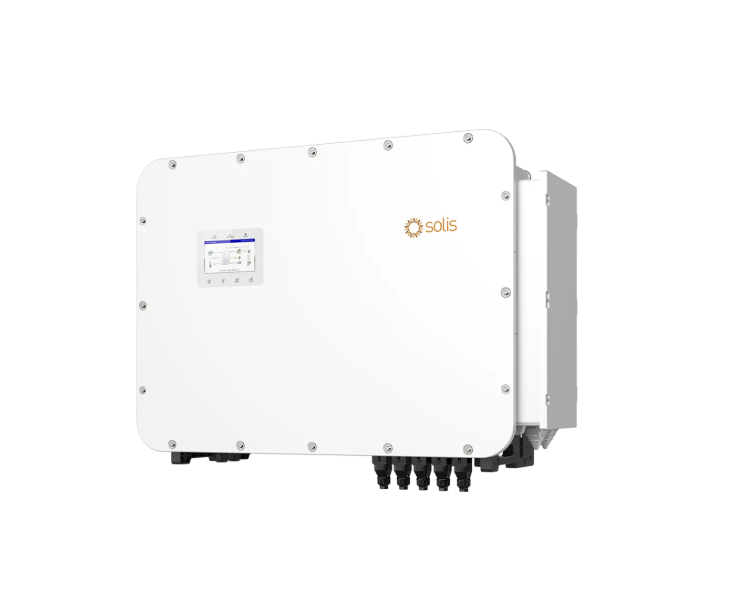
Modern solar and energy storage systems are easier to service when the inverter, BMS, EMS, and remote platform share data. A good monitoring setup can show whether the event came from the PV array, battery rack, grid side, cooling system, or communication network.
For commercial projects, remote monitoring helps service teams compare PV input, battery voltage, load profile, cabinet temperature, and grid events without a site visit for every alarm.
How Better System Design Reduces Repeat Inverter Faults
Many inverter fault reset problems begin long before commissioning. Poor cable sizing, bad ventilation, mixed battery settings, weak grounding, and overloaded backup circuits can create repeat alarms that no reset can fix.
| Design point | Why it matters for fault reduction |
| Correct PV string design | Prevents DC over voltage and low input alarms |
| Good cabinet airflow | Reduces over temperature fault risk |
| Matched battery and BMS settings | Cuts communication and battery faults |
| Clear AC protection layout | Makes grid fault diagnosis faster |
| Monitoreo remoto | Speeds up service and lowers site visits |
| Clean maintenance schedule | Prevents dust, loose terminals, and fan issues |
For C&I energy storage, the inverter should support scalable system configuration, AC and DC side protection, battery communication, multi-source energy management, and clear local and remote fault reporting. These features make each alarm easier to read and faster to fix.
Choosing a Reliable Hybrid Solar Inverter Supplier
Buyers should not judge an inverter only by price or rated power. A low-cost inverter that lacks protection detail, weak monitoring, or poor battery communication support may create more service work after installation. For distributors and EPC teams, a strong supplier supports selection, wiring design, parameter setting, commissioning, and after-sales troubleshooting.
For commercial solar storage projects, look for system matching, battery communication guidance, AC and DC protection design support, remote monitoring advice, and clear documentation. A factory project may need peak shaving in the day and backup for key loads at night. A rural microgrid may need stable off-grid output and smooth source switching.
Acerca de HITEK ENERGY CO., LTD.
HITEK ENERGY CO., LTD. (en inglés) is an energy storage products manufacturer focused on lithium battery cells, modules, hybrid inverters, and integrated solar energy storage systems. Its solutions cover residential storage, commercial and industrial storage, containerized battery energy storage, on-grid solar systems, lithium batteries, inverters, and solar panels.
HITEKESS provides end-to-end solar storage solutions for homes, businesses, utilities, industrial parks, and backup power applications. Its manufacturing and system approach places emphasis on safety, consistency, long cycle life, technical support, and project-based configuration.
Conclusión
It is indeed beneficial to learn how to reset an inverter fault, but what would be even more helpful is learning the reason behind the inverter’s fault alarm. In order to reset the inverter properly, one needs to look into the fault code and check the following aspects: AC side, PV input, battery, BMS communication, temperature and site conditions. The ultimate aim is to have fewer faults and uninterrupted work.
Preguntas frecuentes
How do I reset a solar inverter fault?
Read and record the solar inverter fault code first. Then check the grid, PV input, battery status, BMS communication, and temperature. If no safety issue is found, restart the inverter according to the manufacturer manual.
Why does my inverter fault keep coming back?
A repeating inverter fault usually means the cause is still active. Common reasons include unstable grid voltage, high PV string voltage, battery protection, poor BMS communication, overheating, grounding problems, or an overloaded backup circuit.
How can remote monitoring help with inverter troubleshooting?
Remote monitoring lets service teams view inverter fault information, PV voltage, battery data, grid events, and cabinet temperature. This makes inverter troubleshooting faster and can reduce unnecessary site visits.
HITEKESS BEST SELLING SOLAR INVERTERS
- Deye Solar Inverter Hybrid 48V Battery 8kw 10kw 12kw 15kw Inverter Home Inverter Solar Energy Storage Three Phase Hybrid on Grid off Grid with Battery
Modelo: SUN-10K-SG04LP3-EU
- Atess All-in-One Inverter Hybrid Solar Inverter 500kw 300kVA 200kVA 150kVA 100kVA 50kw 30kw Inverters with Factory System
Model: HT-HPS100
- Atess Growatt 3 Phase Inverter Solar Hybrid System 150kw 100kw 50kw 30kw Hybrid Solar Inverter on Grid off Grid 50kw HPS30 HPS50
Model: HT-HPS150
- Hitek 120/240V Split Phase Us Voltage Home Storage Hybrid Solar Inverter 10kw 15kw 20kw Hitek Energy off Grid Inverter
Model: HT-IN10KW-US
- Atess todo en uno Inversor híbrido del sistema de almacenamiento de energía 30kw 50kw 100kw 150kw Inversor de energía solar HPS 100 150 para el sistema de paneles solares
Model: HPS100-US