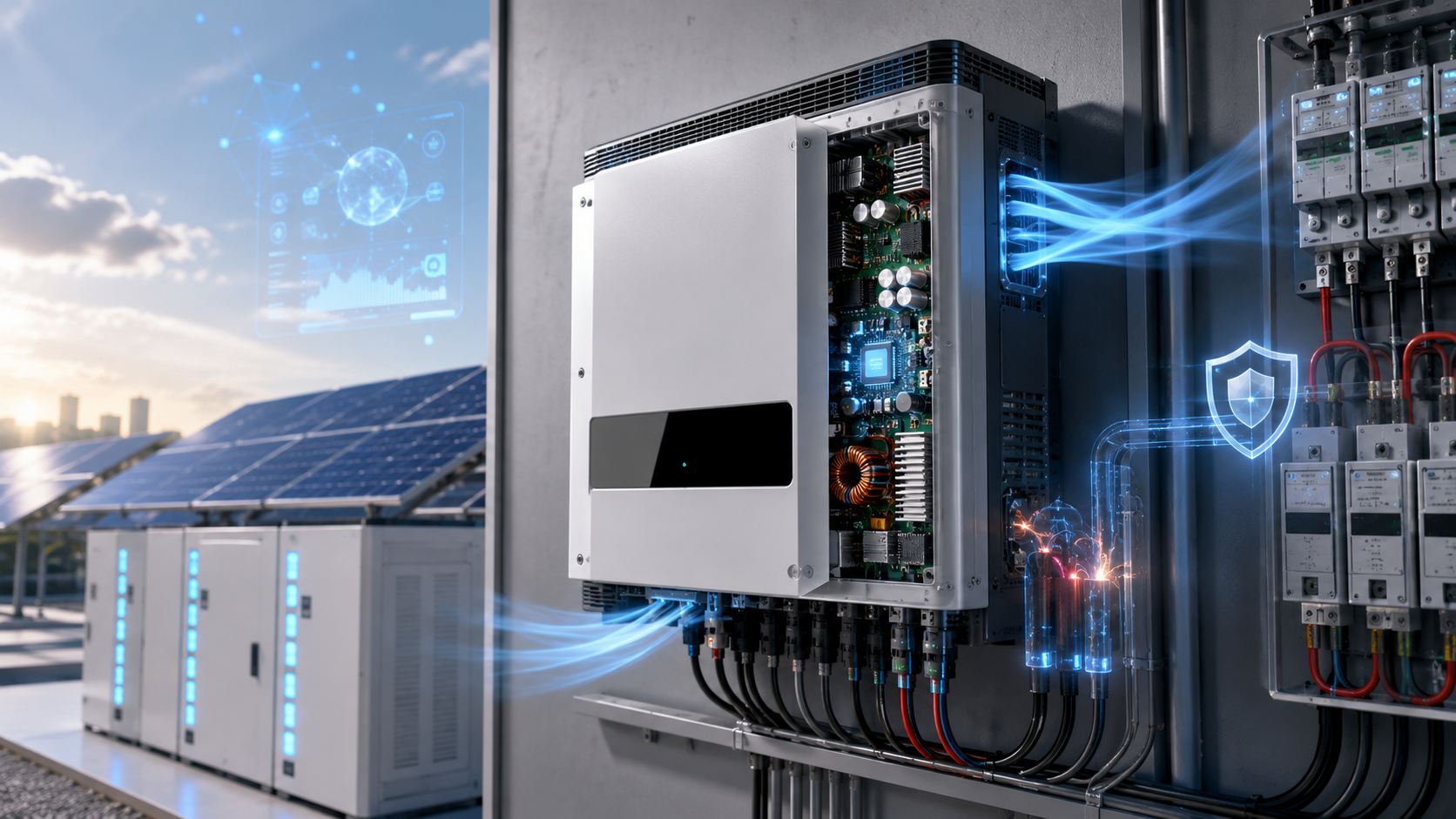
Fire hazards associated with solar inverters must not be ignored in any PV installation, particularly when high DC voltages, rooftop temperatures, dust, moisture, and high daily load cycling are common. The role of an inverter is to convert DC energy to AC energy.
Current technology is capable of much more. A fire-safe solar inverter is able to recognize abnormal electrical behavior, regulate heat, shut down malfunctioning circuitry, and store alarm information before a small problem leads to an emergency. Safety features in solar inverters are essential components in PV systems’ fire protection in residential, industrial, warehouse, farm, and business-scale energy storage facilities.
Why Can a Solar Inverter Become a Fire Risk?
Problems usually develop when electrical, thermal, installation, or environmental faults overlap. A loose DC connector on a hot warehouse roof may create resistance, local heating, and eventually arcing. Poor ventilation can also push internal temperatures higher during full-load operation.
| Risk source | What can happen | Useful protection |
| Loose or damaged DC connection | Heating or arcing | DC arc fault protection |
| Excessive temperature | Thermal stress | Inverter thermal management |
| Short circuit or overload | Abnormal current | Overcurrent protection |
| Insulation or ground fault | Unsafe leakage path | Ground-fault monitoring |
| Lightning or switching surge | Voltage stress | Surge protection |
How Modern Inverters Reduce Fire Risk
No single feature removes every failure mode. Effective solar inverter safety works in layers: detect abnormal conditions, limit their effect, disconnect when needed, and leave enough information for technicians to find the cause.
1. AFCI Detects Dangerous DC Arc Faults
AFCI protection in solar inverter design is a major advance in PV electrical safety. An arc can develop around a loose terminal, damaged conductor, worn connector, cracked insulation, or poor termination.
Unlike a normal overcurrent event, an electrical arc may continue without drawing enough current to trip a conventional breaker. Heat is concentrated in a small area, so DC arc fault protection matters around connectors, cables, junctions, and nearby combustible materials.
An AFCI solar inverter watches the electrical waveform for patterns associated with arcing. When it identifies a dangerous signature, it can interrupt operation and record a fault. Dedicated standards such as UL 1699B address PV DC arc-fault protection.
2. Thermal Management Controls Excess Heat
The heating effect affects insulation, capacitors, power semiconductors, terminals, and other components, which operate for several thousand hours per year.
Overheating protection in solar inverters uses both thermal sensing and cooling. Thermal energy is transferred to a heat sink away from the power electronics, fans can vary speed based on the load, and control algorithms can limit output when temperature exceeds a certain point.
Dust buildup, blocked filters, poor clearance, or a sun-heated wall can still raise operating temperature. Good inverter thermal management gives the equipment a controlled response before heat becomes a larger electrical problem.
3. Electrical Protection Adds More Safety Layers
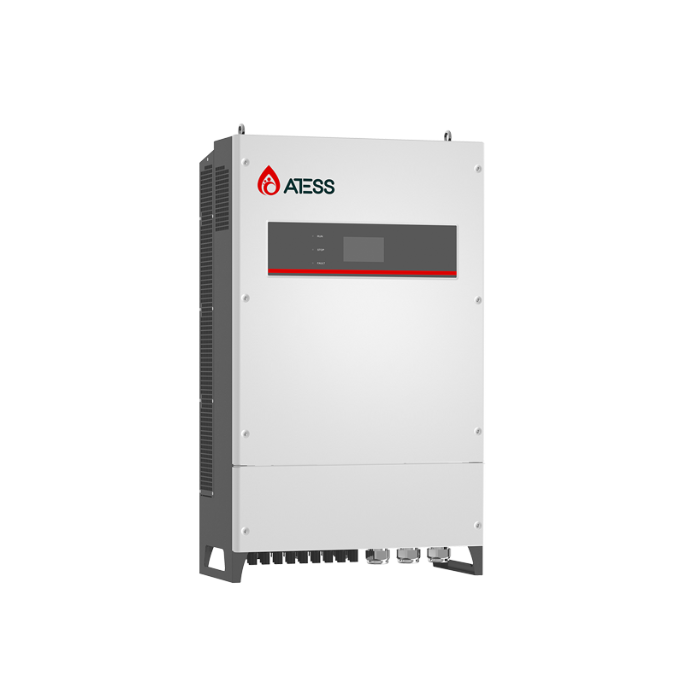
Modern inverters watch several electrical limits. When current, voltage, insulation resistance, or leakage behavior moves outside the permitted range, the unit can stop or isolate the affected circuit.
Typical protection may include:
- overcurrent and short-circuit protection;
- reverse-polarity protection;
- overvoltage and undervoltage protection;
- ground fault protection inverter functions;
- insulation monitoring;
- anti-islanding protection;
- surge protection on relevant DC or AC paths.
Each function handles a different fault. Surge protection deals with transient voltage stress, while ground-fault monitoring looks for unintended current paths.
4. Rapid Shutdown Reduces Emergency Electrical Exposure
Rapid shutdown solar system technology serves a different purpose from AFCI. AFCI focuses on arc detection. Rapid shutdown is intended to bring designated PV conductors to a safer voltage condition when emergency shutdown is initiated.
This matters on buildings, where firefighters or service personnel may work close to PV wiring. The U.S. National Electrical Code includes rapid-shutdown requirements for certain building-mounted PV systems to reduce shock exposure for first responders.
Rapid shutdown is part of a wider protection strategy, not a substitute for correct wiring, arc detection, protective devices, or trained installation.
5. Smart Monitoring Finds Patterns Earlier
A warning that appears every afternoon at high load is more useful than an isolated alarm because it reveals a pattern.
Smart inverter monitoring can track temperature, DC input behavior, AC output, alarms, and shutdown history. At a factory with several inverter units, repeated temperature warnings on one unit may point to airflow, dust, cable loading, or clearance. Insulation or arc-related alarms after rain may point toward connectors or cable routes that need inspection.
Monitoring does not replace field checks, but it supports condition-based solar inverter maintenance.
Installation Still Determines Solar Fire Safety
Advanced electronics cannot compensate for poor workmanship indefinitely. Many PV safety problems begin outside the inverter: mismatched connectors, loose terminals, damaged cable insulation, poor routing, water ingress, blocked ventilation, or incorrect protective devices.
A safer installation starts with location and wiring. The inverter needs the specified cooling and service clearance. DC connectors should be compatible, correctly crimped, fully seated, and free from unnecessary strain. Terminal torque should follow installation instructions.
After commissioning, periodic inspection matters. Thermal checks can reveal abnormal hot spots, while alarm records can show recurring faults. These practices support how to prevent solar inverter fires over the operating life of the system.
What Should Buyers Check When Choosing a Safer Inverter?
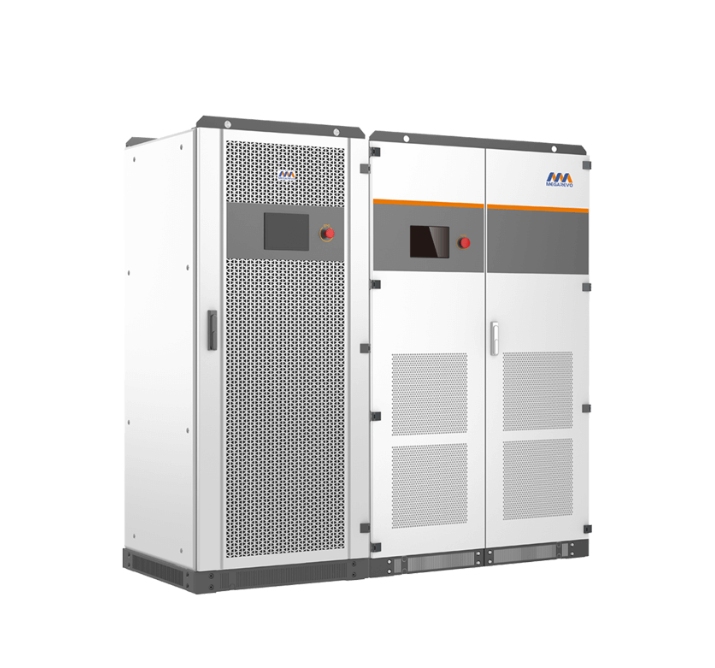
Peak efficiency is only one line on a specification sheet. Commercial solar inverter safety also depends on protection functions, environmental rating, certification, monitoring, and technical support.
Check Safety Functions and Certification
Buyers should review whether the inverter provides suitable arc-fault detection, temperature monitoring, short-circuit protection, ground-fault detection, surge protection, and shutdown functions for the target market.
IEC 62109 covers safety requirements for power converters used in photovoltaic systems, including inverter-specific requirements. Local codes and project specifications may add further requirements.
Match Protection to the Real Site
A residential roof, dusty agricultural site, and industrial facility do not create the same operating conditions. Temperature, humidity, altitude, DC voltage, cable length, system size, service access, and battery connection can all affect equipment selection.
The safer choice is the unit whose ratings, cooling design, monitoring tools, protection functions, and installation requirements fit the project.
HITEK ENERGY CO., LTD: Energy Storage and Power Conversion Expertise
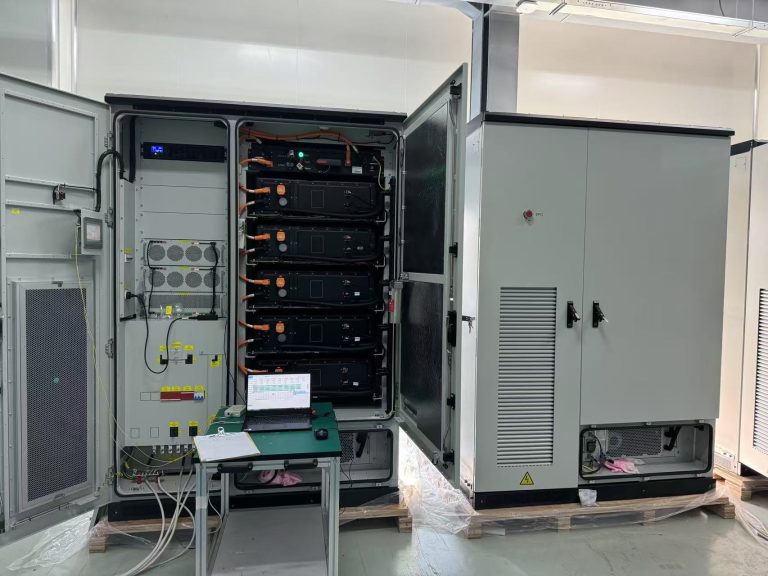
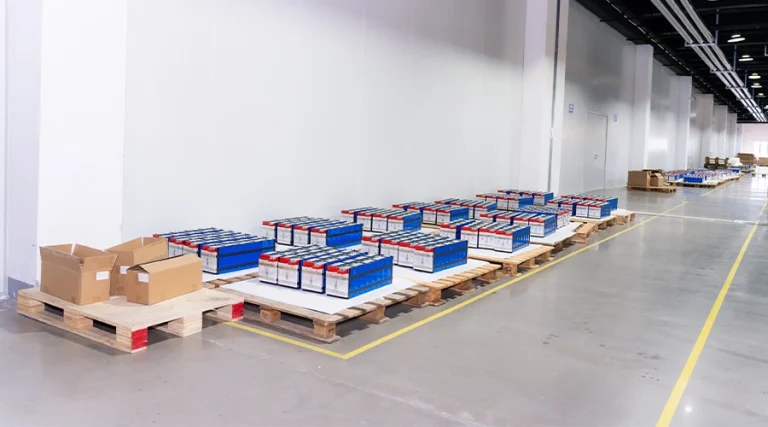
HITEK ENERGY CO., LTD. (en inglés) is a professional energy storage products manufacturer serving residential, commercial, industrial, and larger power applications. Its business covers lithium battery products, energy storage systems, solar solutions, and inverter-related equipment. The company describes automated manufacturing, traceable quality control, R&D capabilities, and products for different energy storage applications.
For project buyers, the system-level approach matters because storage safety depends on the interaction between batteries, power conversion equipment, controls, installation, and support. HITEKESS also provides project evaluation, technical consultation, operating guidance, quality inspection support, and after-sales service.
For commercial, industrial, or energy storage projects, buyers can discuss site conditions, load requirements, grid connection, and storage goals with HITEKESS before equipment selection. A project-specific evaluation can help match inverter and storage equipment to the electrical and environmental demands of the site.
Conclusión
Modern solar inverter fire risk reduction comes from layered protection. AFCI can identify dangerous DC arcing, inverter thermal management controls excess heat, electrical protection responds to abnormal current and ground faults, rapid shutdown can reduce emergency electrical exposure, and smart inverter monitoring helps teams act on warning signs sooner.
Good installation and regular solar inverter maintenance remain just as important. For anyone comparing a safe solar inverter for commercial systems or residential PV, the better question is not only “How efficient is it?” but also “What happens when the system detects something abnormal?”
Preguntas frecuentes
What is the main cause of solar inverter fire risk?
Risk can develop from loose electrical connections, DC arc faults, overheating, insulation damage, short circuits, poor ventilation, incorrect installation, or damaged components. Several conditions may appear together.
How does AFCI protection in a solar inverter work?
AFCI monitors electrical signals on the PV DC side for patterns linked to arcing. When a dangerous arc is detected, the system can interrupt operation and create an alarm for inspection.
How to avoid solar inverter overheating?
Overheating protection of solar inverters includes proper sizing, clearing, ventilation pathways, temperature sensors, proper cooling arrangements, and reduction/shutdown of power output beyond permissible temperature limits.
Is rapid shutdown able to prevent solar fires?
Rapid shutdown is effective in reducing risks of exposure to high voltage. Rapid shutdown helps to prevent fire in PV systems, but does not replace AFCI, grounding, overvoltage protection, etc.
Which solar inverter safety measures should commercial buyers pay attention to?
Commercial buyers should consider DC arc fault protection, overcurrent protection, short circuit protection, thermal monitoring, ground fault protection, overvoltage protection, system monitoring, and other measures.
Energía HITEK'.S HOT SELLING SOLAR INVERTERS
- Hitek off Grid Solar Inverter 5kw 8kw 10kw Singe Phase220V 230V 240VAC Solar Energy System Pure SineWave Inverter 10000W for Home
Model: HT-SPI-10KW
- Hitek 120/240V Split Phase Us Voltage Home StorageHybrid Solar Inverter 10kw 15kw 20kw Hitek Energy offGrid Inverter
Model: HT-IN10KW-US
- Atess All-in-One Inverter Hybrid Solar Inverter 500kw300kVA 200kVA 150kVA 100kVA 50kw 30kw Inverterswith Factory System
Model: HT-HPS100
- Atess All-in-One Inverter Hybrid Solar Inverter 500kw300kVA 200kVA 150kVA 100kVA 50kw 30kw Inverterswith Factory System
Model: HT-HPS150
- Deye Hybrid Solar Inverter 5kw 6kw 8kw 10kw 12kw48V Low Voltage Three Phase Inverter off on GridInverter for Home with CE and TUV
Modelo: SUN-10K-SG04LP3-EU