The way buildings use energy is shifting. Older buildings mainly draw power from the grid. Newer green designs aim for a different setup. Buildings can now make clean energy too. Demand for renewable power keeps rising. Zero-carbon goals grow stronger every year. Building Integrated Photovoltaics, or BIPV, stands out as a key link between architecture and solar power. BIPV turns photovoltaic materials into real parts of a building. Think roofs, outer walls, and glass surfaces. These materials no longer sit as extra gear on top.
Traditional solar setups get added after the building is finished. BIPV works differently. It folds energy production into the original plans. Architects, developers, and owners can design efficient structures this way. They keep a clean, modern look at the same time. The global building sector pushes hard toward sustainable architecture. BIPV opens fresh paths for solar use. It mixes clean power, smart design, and long-term energy control.
What Is BIPV Technology and How Does It Work?
Building Integrated Photovoltaics joins solar power production with regular building materials. Solar panels no longer stay limited to open roof spots. BIPV systems form actual pieces of the building shell.
A standard solar panel does one main job. It makes electricity. A BIPV system handles several tasks at once. It can:
- Generate power
- Protect the building
- Control sunlight
- Serve as design decoration
- Boost overall energy performance
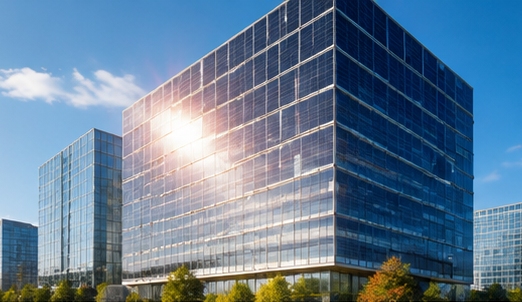
BIPV facade options can take the place of normal outer materials. They produce renewable electricity while they do that job. Solar photovoltaic glass fits well in commercial projects. Transparency, looks, and energy results all matter there.
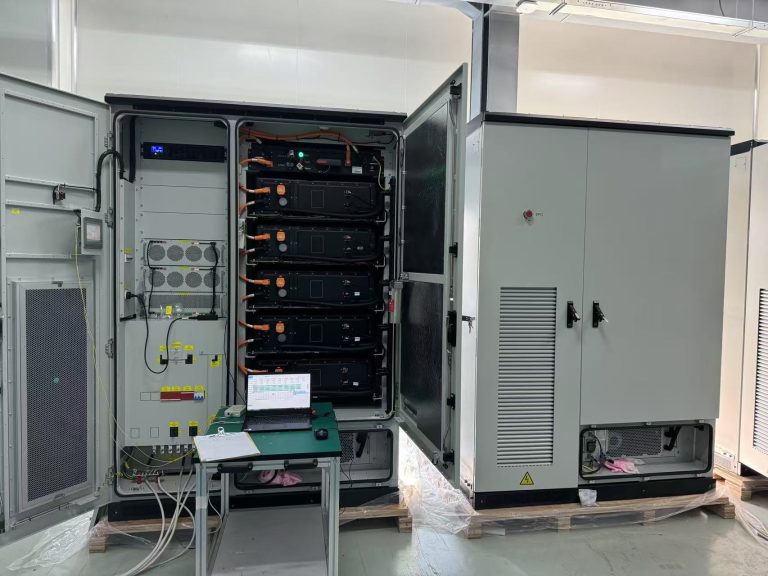
A full BIPV setup often pairs with energy storage. Daytime solar power turns into electricity. Extra power goes into storage for later. Lithium-ion solar battery systems hold the surplus from solar panels. They supply power at night, on cloudy days, or during outages.
This mix of solar production and storage builds a steadier renewable system. It works for homes, businesses, and factories.
Why BIPV Is Transforming Sustainable Architecture
Sustainable architecture grows because of clear needs. People want lower carbon output. They seek better energy use. They also want smarter buildings. BIPV helps meet those aims. It turns unused building surfaces into clean power sources.
Buildings Become Renewable Energy Producers
Cities lack open land for big solar farms. BIPV solves that problem. It uses the building itself. Roofs and outer walls become useful.
A large commercial building can make electricity from its facade. No extra land is needed. This value shows clearly in dense urban areas. Energy demand stays high there.
When design and solar production join together, BIPV supports several goals:
- Net zero buildings
- Energy independent buildings
- Low-carbon commercial spaces
- Smart sustainable cities
Improved Building Energy Efficiency
Efficient buildings do more than cut power use. They also manage energy better.
A solar building solution with battery storage lets users save power when solar output peaks. They draw on that power when demand rises.
Lithium-ion solar batteries bring clear edges over older systems.
| Feature | Benefit |
| High energy density | More energy storage in less space |
| High efficiency | More stored solar energy can be used |
| Long lifespan | Suitable for long-term energy management |
| Low maintenance | Reduces operation requirements |
These batteries earn praise for strong efficiency, long cycle life, and lower upkeep needs compared with older battery types.
Better Architectural Design Flexibility
Standard solar panels can clash with a building’s look. BIPV fixes that issue. Solar parts become part of the design itself.
Modern BIPV facade solutions fit many building styles. Energy results stay strong. Solar tech gains wider appeal for offices, hotels, public sites, and homes.
Key BIPV Innovations Accelerating the Solar Revolution
BIPV progress reaches beyond simple solar efficiency. It also improves materials, design options, and system links.
Solar Photovoltaic Glass Technology
Solar photovoltaic glass ranks as a major step in building integrated solar panels.
Buildings can make electricity and still let natural light through. Visual appeal stays intact. This tech suits several settings:
- Office building facades
- Glass curtain walls
- Commercial complexes
- Modern architectural projects
The blend of light passage and power production makes solar glass a solid choice for future green buildings.
Advanced BIPV Facade Solutions
Building facades cover large areas in cities that often sit unused. BIPV facade systems let those surfaces join renewable power production.
Common uses include:
- High-rise office buildings
- Industrial facilities
- Educational buildings
- Public infrastructure
Studies show BIPV is now seen as a multi-purpose building part. It is more than a solar product alone. It joins design roles with electricity production.
Integrated Energy Storage Solutions
Solar output depends on weather and daylight. Storage removes much of that limit.
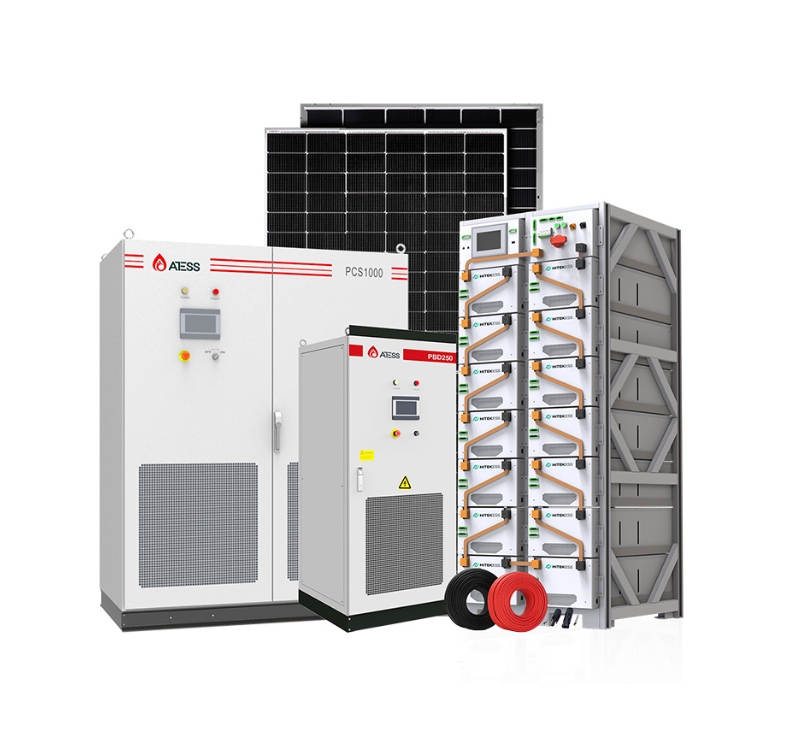
A complete solar building solution usually holds these pieces:
- Solar generation system
- Battery storage system
- Energy management system
- Grid connection equipment
Lithium-ion solar batteries support home solar setups, commercial systems, off-grid needs, and emergency backup.
BIPV Applications in Modern Buildings
BIPV fits many building types.
Residential Buildings
Homeowners gain from BIPV solar panels. Dependence on grid power drops. Energy independence rises.
A home solar system with battery storage saves extra daytime power. That power serves evening hours when household demand climbs.
Commercial Buildings
Commercial sites often use high power during work hours. BIPV systems cut electricity bills. They also back corporate green targets.
Typical spots include:
- Office buildings
- Shopping centers
- Warehouses
- Hotels
Industrial and Off-Grid Applications
Factories need steady power. Solar energy storage systems offer backup and better control.
Off-grid setups help remote places. Traditional power lines may be scarce or missing there.
BIPV vs Traditional Solar Panels: Why Integration Matters
| Comparison | Traditional Solar Panels | BIPV Systems |
| Installering | Added to existing structures | Integrated into buildings |
| Main purpose | Electricity generation | Energy generation + building function |
| Design flexibility | Limited | Higher architectural flexibility |
| Application areas | Mainly rooftops | Roofs, facades, glass structures |
BIPV takes a fuller path. It balances power production with building design.
Architects and developers gain a clear edge. Solar tech can shape the building concept from day one. It no longer arrives as a later add-on.
Future Trends of BIPV and Zero Carbon Buildings
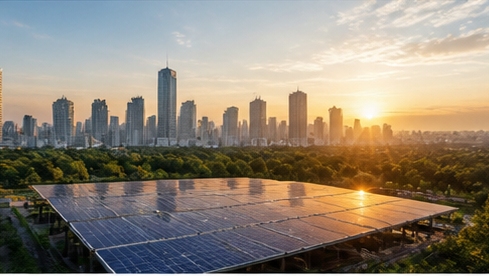
BIPV’s path ahead ties closely to smart buildings, better materials, and storage tech.
Coming steps may cover:
- More efficient photovoltaic materials
- Smart energy management systems
- Improved solar glass designs
- AI-based building energy control
BIPV paired with renewable storage will make buildings more flexible and sturdy. Solar lithium battery tech will keep advancing as demand for clean energy solutions grows.
Om HITEK ENERGY CO., LTD.
HITEK ENERGY CO., LTD. is an energy storage products manufacturing company. HITEK ENERGY specializes in renewable energy and battery storage technology products. It provides systems suitable for home, business, and industrial energy use.
HITEK ENERGY stresses reliable energy storage systems, tailored solutions, and solid service. HITEKESS helps customers build cleaner and more efficient energy setups.
By joining solar power production with strong energy storage, HITEKESS supports businesses and communities on the road to a greener energy future.
@ info/ rich
BIPV innovation rewrites the role of buildings in the global energy shift. Buildings no longer act only as power users. They become active power makers through integrated solar tech.
Sustainable architecture becomes an actual thing with solar PV glass, BIPV facade systems, and high-tech battery storage systems.
Renewable energy solutions continue to be increasingly demanded by customers. Building integrated photovoltaic is what will define the next generation of energy efficient buildings.
FAQs
What is BIPV technology?
BIPV technology means placing photovoltaic materials straight into building structures. Buildings can make solar energy and still keep their design roles.
How does BIPV support sustainable architecture?
BIPV supports sustainable architecture by cutting carbon emissions. It raises energy efficiency. It turns building surfaces into renewable power sources.
What are the benefits of BIPV solar panels?
BIPV solar panels deliver clean energy production. They offer smoother design fit. They lower electricity costs. They raise overall building sustainability.
Can BIPV systems work with battery storage?
Yes. BIPV systems can pair with energy storage systems. Extra solar energy can be saved for night use, cloudy weather, or backup needs.
Why choose a BIPV solution for commercial buildings?
Commercial BIPV solutions help businesses cut energy costs. They raise sustainability scores. They create modern, efficient buildings.
Constellation name (optional)"S HOT SELLING SOLAR PANELS
- Hitek Energy Jinko High Power 580W 590W 600W 610W Solar Panel Mono N-Type Topcon 700W 710W 720W Solar PV Panel Price
Modell: HT610M- 72HNB
- Name
Modell: HT440M-54HN
- EU Warehouse Bifacial Solar Panels 580W 590W 600W Topcon Paneles Solares Costos with Good Price and CE Certification
Model: HT600M-72HN
- Hitek 420W 430W 440W 450W N Type Topcon All Black Bifacial Double Glass A Grade PV Module Solar Panel
Modell: HT440M-54HN
- Jinko N-Type Topcon Solar Panels 580W 590W 600W Solar PV Panels 600W Big Size for Solar Plant
Modell: HT590M- 72HN