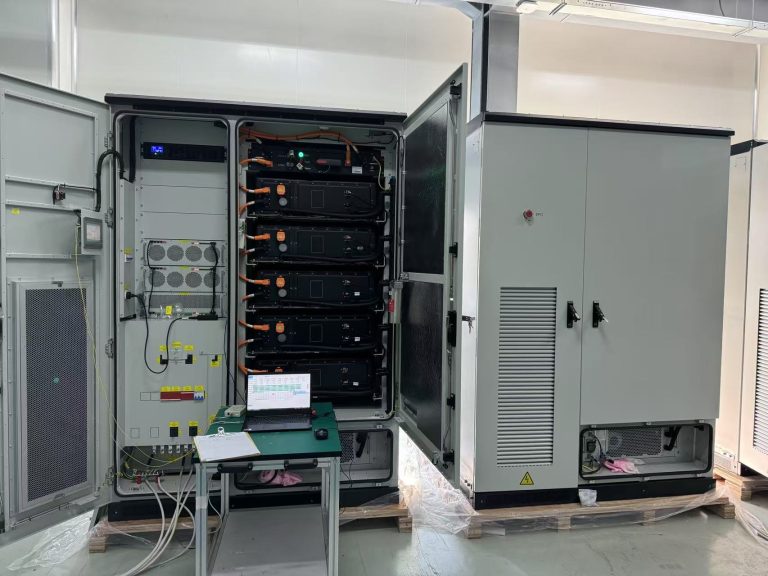
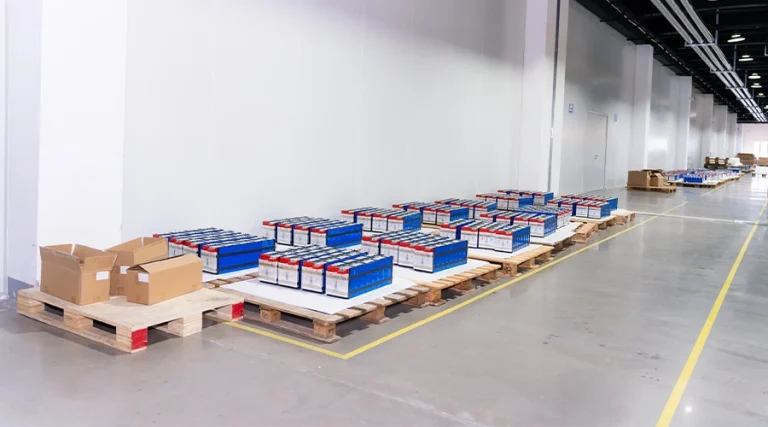
The Centre for Solar Energy Technology Factory solar system produces power during the hours when production uses electricity. An increase in solar generation directly usable during the day shift. A factory operating a nighttime second shift has to determine how it is going to meet demand when solar generation drops off. This causes the useful PV capacity, storage behavior and operating plan to differ. It does not in itself imply that all two-shift factories require batteries.
As someone in operations, it may begin comparing your production calendar and demand. Two plants with the same electricity consumption vs. time distribution over the month, can have very different assimilations for solar configurations due to different load times of each plant. Similar energy consumption monthly from two plants can require different solar designs, because although both have the same absorption per month but at a temporality very distant.
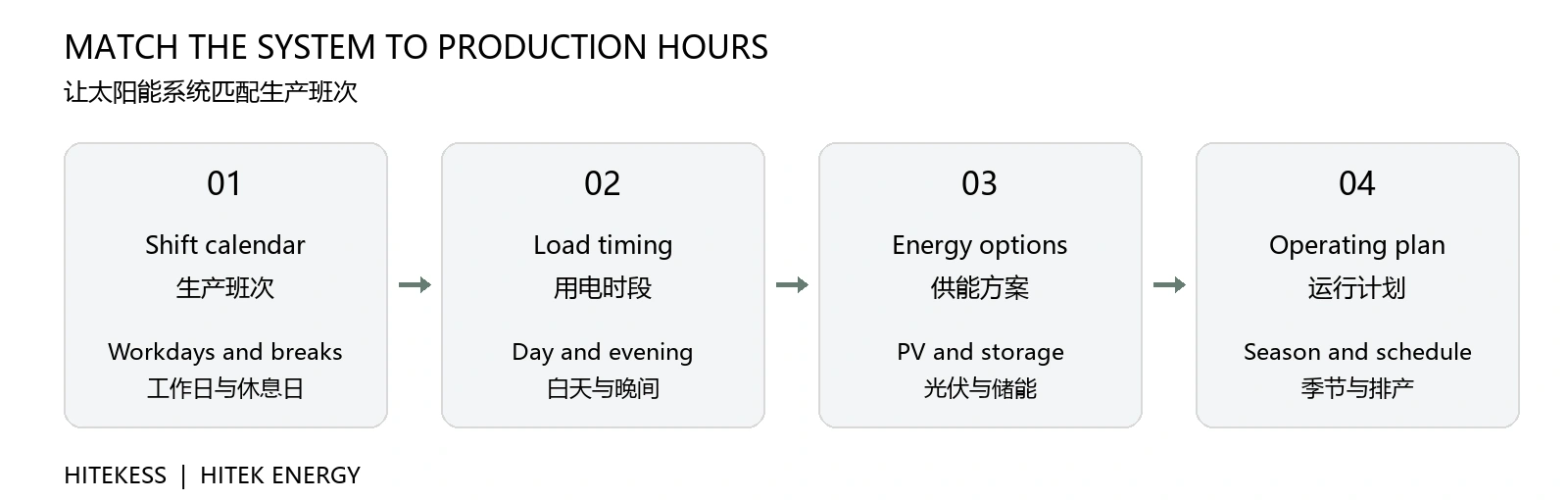
Compare demand at the same time as solar generation
Factories receive monthly bills for the electricity they purchased, but these obfuscate lunch breaks as well as staggered starts and evening production. Acquire interval demand data for a set of representative operating periods, and matched with the NAS solar generation estimate on either site or regional basis at time scales matching that of seasonal variety. The datasets must share the same time zone and interval length.
As an example, one factory could manufacture primarily between 08:00 and 17:00 while another chills away from 08:00 to midnight. These are sample schedules, not making assumptions on every tree. The second factory has high consumption in the evening, yet when there is little supply and it needs to consume more PV electricity right away its daytime demand still limits how much usable off-peak hours are available.
Without storage, in an initial direct comparison during each interval (which is not equivalent to operational dispatch), the local solar use depends on whether available PV output exceeded site demand availability for that hour. This is why annual generation / annual consumption does not tell us about our ability to replace the electricity that the system requires at peak time. Which is why the comparison of annual generation to annual consumption can never tell you how much electricity GETS REPLACED IN THE SYSTEM WHEN IT IS NEEDED.
| Decision point | Mainly day shift | Second shift extends into evening |
| Direct solar use | Check the overlap with production and lunch breaks. | Check daytime overlap separately from evening demand. |
| Remaining supply | Early starts and late work may still need grid electricity. | A larger evening share may need the grid or stored energy. |
| Storage question | Is there recurring surplus or another defined operating need? | Can charging and discharge fit the actual second shift? |
| Low production days | Check weekends, holidays and maintenance shutdowns. | Check days when the second shift is cancelled. |
Build the day shift proposal around actual daytime consumption
If it is a plant with stable daytime demand and can be grid-connected, we generally start comparing on grid solar system product. Its effectiveness will vary depending on both the demand measured and site factors such as your roof setting, its position along with furnishing shade function in addition to relationship behavior. Its utility will depend on the site conditions (will it be roof mounted, shaded and where to connect into the electricity grid).
Do not just size PV to the hour with maximum production. In the mornings a line may run at full load but stop when strong midday sunlight hits. Where the array regularly generates more than is consumed by the factory, state what happens to any surplus in such a proposal. Again, you could be looking at exporting and storing or less than optimal output depending on how well the connection agreement is designed as part of system design. A forbidden export is a project requirement to confirm, not an automatic characteristic of a manufacturing facility solar undertaking.
Scrutinise the weekly week as much as you do with a working day. On bright weekends, demand can be very low for five day factories. By extending the array for a more modest country peak in weekdays, excess or underutilized generation increases during these milder periods. Check this influence before conclude that filling every available roof surface is a good configuration.
Treat the second shift as a separate energy requirement
You have a second shift, and you are not changing by the time of day when sunlight is available. For example, those production hours after sunset cannot be directly supplied by the larger PV array alone. The choices are to continue buying grid electricity, store some earlier generation or shift appropriate tasks into day time hours as production limits allow. The choices are to keep purchasing grid electricity, store some of the earlier generation or shift suitable activities into daylight time when production constraints allow it
When storage has a clear use case, think of it as part of commercial and industrial energy solution. Perhaps the aim is to move usable daytime surplus into an evening operating period with a predictable daily profile. The first step is to ascertain whether that surplus, even exists after demand during the day has sucked at its teat. Solar energy already consumed for production cannot be stored in a battery.
It is an operating situation different than where grid charging is allowed. Value will depend on what the tariff is, but also losses; whether or not to charge at half-speed and when/how much of battery capacity during high demand periods. Your proposal needs to be able to differentiate between stored solar electricity and stored grid electricity so that your buyer understands how each scenario would work. The proposal must differentiate between stored solar electricity and stored grid electricity so that the buyer comprehends how each alternative operates
Similarly, storage power and energy capacity themselves address different questions. Power limits the maximum load that can be supported at any one point in time, usable energy (often referred to as storage capacity) is how long that contribution may continue. A short request peak may require a different balance than a long evening shift. Nothing about the label,?two shifts? will tell them that.
Compare complete systems against the same production calendar
Request the PV only case and a pv with storage scenario using identical load data, weather assumptions & tariff. An example would be comparing the grid purchases of each shift, load-directed solar consumption (meaning that it is strictly used at the moment), excess energy during peak times whether they were exported or curtailed and storage charging/discharging. Factor in battery losses and operating limits when projecting impact on the second shift.
Introducing a HITEKESS Hybrid Solar System Configuration with PV Modules, Power Conversion + Batteries and Monitoring from HITEK ENGERY By way of an example, it shows what aspects to harmonize in a full blown system. The publication of the configuration does not imply that a specific factory requires such volume for the size of system; It has to be specially chosen, based on site load and electrical assessment.
A good suggestion should also delineate bill reduction from backup needs. The provision for keeping some battery backup reserve during an outage may come at the cost of reduced power available for normal evening usage. If both can be requested, show how the operating priorities interact rather than just averaging stored energy at once. If both functions are invoked, rather than accumulating the positive and negative benefits into a single stored energy as simultaneously fulfilling that request.
Make the operating plan follow production changes
Begins: Production schedules shift with orders, maintenance and holidays. Who updates the working calendar, who checks for unexpected grid consumption and how recorded changes find their way to system settings should be identified in the energy operating plan. For instance, a two-shift charging plan may not be appropriate when the night time stops for weeks at once.
Incorporate a solar project design and support review where these operating requirements can be covered in conjunction with an equipment selection. Summary of seasonally representative climate and highest number month. A summer asymmetric overtime system might not operate the same during short winter days or a scheduled seasonal shutdown. A system designed for summer levels of surplus electricity may perform poorly in the face of winter days that include only a few hours when PV can be produced, or during times with seasonal shutdowns
Ofte stilte spørsmål
Does a day shift factory need battery storage
Not necessarily. Useful direct solar consumption is possible because, typically strong daytime demand. Storage has its own value proposition for use cases like: game-changing recurring surplus, financing a specific demand period (e.g. peaks), and as an engineered backup function Please Continue Reading Storage requires a different justification, like moving excess of supply to the future (supply shifting), handling a certain load period or providing an engineered backup functionality
Does adding a second shift require a larger PV array
Not automatically. Additional evening demand does not create additional daylight. Review whether more generation can be used directly, stored or exported under the site’s conditions before increasing PV capacity.
Can a factory move work into the solar production period
Sometimes. Flexible activities may be rescheduled if staffing, process quality, material flow and equipment capacity permit. Evaluate the operational effect before counting the change as an energy saving.
Prepare a proposal around the real shift pattern
HITEKESS is a proposal of the factory solar system that HITEK ENERGY will provide, delivering to HIT real SHU Part with shift calendar and interval electricity data at year end together so this part tariff unit (the total seasonal or daily hours sold) for all periods. Include how the plant operates to ensure that comparison is of a complete system, not just as it might work on paper. Product FlowLet us talk about the operating schedule of your factory so that we can compare on a system which is whole and actually suit with how plant works.
HITEKESS HOT SELLING COMPLETE SOLAR POWER SYSTEMS
- Hitekess solcelleanlegg 100kw 100kwh 200kwh 50kw 150kw 250kw 350kw 500kw 800kw 1MW solenergilagringssystem med LiFePO4-batteri
Modell: HT500KW- HY
- Hitek komplett sett solenergisystem 100kw 150kw 200kw 250kw 500kw generator batteri off-grid solenergisystem kostnad for gård
Modell: HT500KW- HY
- Hitekess Profesjonelt Design Hybrid Off Grid Fotovoltaisk System 100 Kw 150 Kw 250 Kw 500 Kw 500 Kw Alt-i-ett Komplett Solcellepanel Batterisystem
Modell: HT500KW- HY
- Hitekess Fabrikkpris Grønn Energi 500 000 W 500 kW 500 Kw kVA Komplett Solenergisystem Komplett Sett Batterilagringssystemer 100 kVA 100 Kw 1 mwh
Modell: HT500KW- HY
- Hitekess fabrikkgård 30kw 50kw 100kw 150 kW 250kw fotovoltaisk solenergisystem hybrid off-grid 250 kW pris med batteri
Modell: HT250KW-HY
- Hitek 250kw 500kw 500 kW bakkemontert industrielt hybrid solenergisystem LiFePO4-batteri på off-grid energilagring komplett solpanelsystem hybridsett
Modell: HT500KW- HY