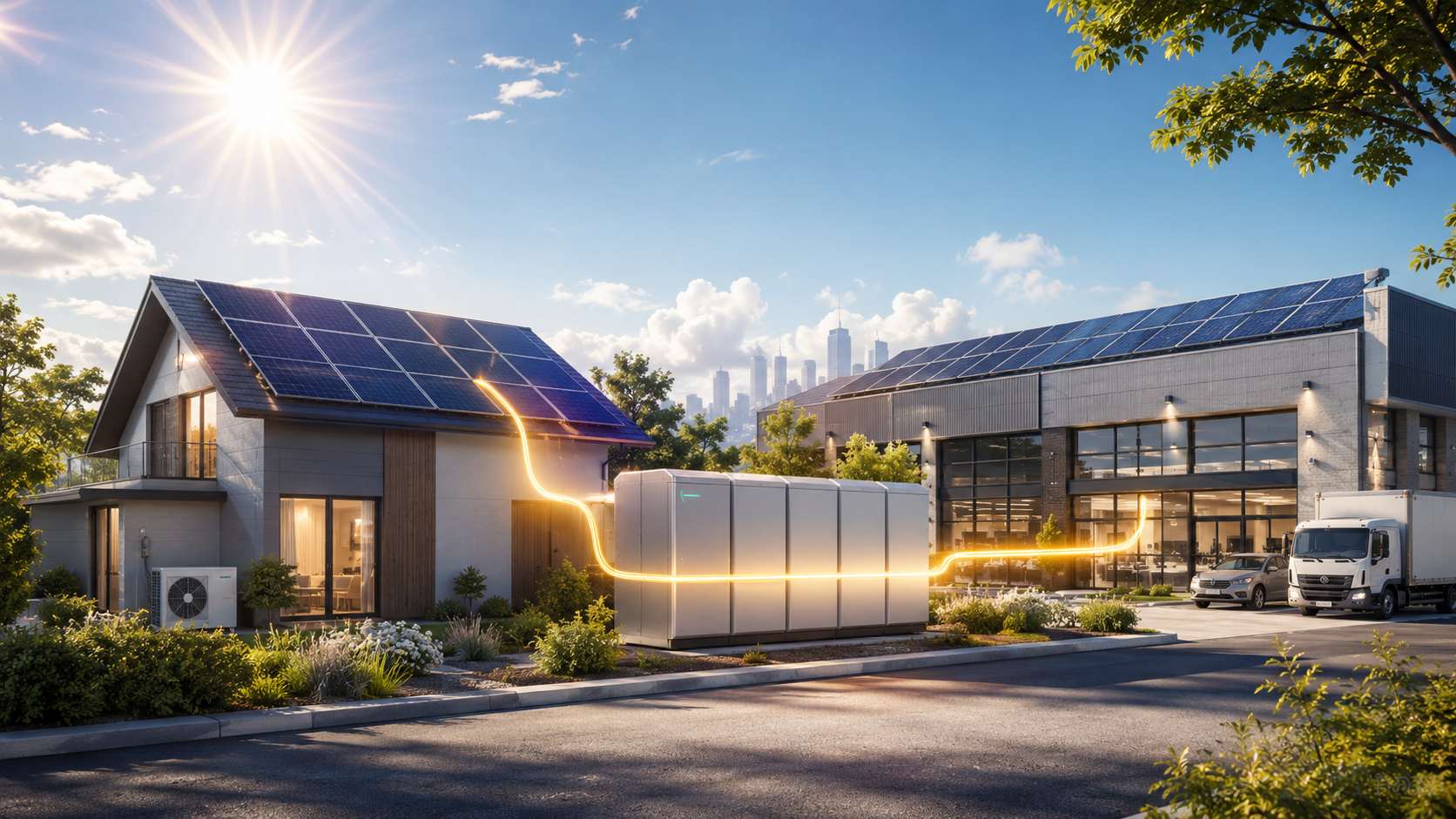
Summer turns electricity planning into a daily pressure test. Homes run air conditioners longer. Shops keep cooling, freezers, lights, and payment systems on. Factories add ventilation, compressors, pumps, and late shifts. Solar panels help, but panels alone do not always match the hardest hours of the day. That is why solar energy storage has moved from a “nice upgrade” to a practical part of summer peak electricity demand management.
A solar battery storage system will store energy from the sun when there is plenty of it and give out energy when prices increase or the risk of an outage increases. In residential areas, it could reduce consumption from the grid in the evening hours. For commercial and industrial applications, it could be used for peak shaving and shifting.
Why Summer Peak Demand Is Hard on Homes and Businesses
Peak demand is not just about total energy use. It is about the highest power draw during a short window, often measured in kW over 15 or 30 minutes. In summer, those short windows become expensive because cooling loads rise at the same time across a neighborhood, warehouse district, or industrial park.
The pattern is easy to see. First, a restaurant begins the day with ovens, chillers, ice making machines and HVAC operating until lunch time. Second, a supermarket has refrigeration facilities that work throughout the day and has another peak during the time when temperatures increase and there is more movement of people. Third, a villa with swimming pool pumps, air conditioners and home office can have its peak load after 5 p.m.
Common Summer Peak Drivers
Several loads often overlap during hot weather, and that overlap creates the real problem.
- Air conditioning and refrigeration run longer.
- Motors, pumps, and compressors draw high starting current.
- EV charging adds large blocks of demand after work.
- Commercial lighting and production equipment stay on during business hours.
- Evening family use starts when solar output is falling.
When these loads stack up, the grid sees a sharp peak. A solar energy storage system helps flatten that curve instead of forcing the site to buy more power at the worst time.
How Solar Energy Storage Works During Peak Hours
A solar energy storage system follows a simple rule: collect power when it is available, then use it when it has higher value. During bright hours, PV modules feed the building first. Extra energy can charge the battery. When the load rises, the battery discharges through the inverter to support the home, shop, or factory.
Behind that flow, the battery management system and energy management system matter. They watch battery temperature, charge level, output, grid status, and site demand. In a well-designed BESS, these controls decide when to charge, hold stored energy, and discharge.
Peak Shaving and Load Shifting in Plain Terms
Peak shaving is the reduction of peak demand on the grid. In case a warehouse uses an extreme amount of 180 kW of power for 20 minutes, the BES can be used in those 20 minutes and help control demand on the grid to the desired limit.
Load shifting moves energy use from one time period to another. Solar power produced at noon can be stored and used after sunset, when air conditioning, lighting, cooking, or production may still be active. This is useful where time-of-use tariffs make evening electricity more costly.
Where Solar Battery Storage Brings the Most Value
The best use case depends on the site load profile, tariff, and risk tolerance. Still, several summer scenarios appear again and again in residential, commercial, and industrial projects.
| Site type | Typical summer issue | Storage value |
| Home or villa | Evening cooling and backup needs | Higher solar self-consumption and cleaner backup power |
| Retail store | Cooling, lighting, and refrigeration peaks | Peak shaving and stable daily operation |
| Fabrikk | Motors, compressors, and long shifts | Demand charge reduction and smoother load curve |
| Cold chain warehouse | Continuous refrigeration plus heat stress | Better power security and lower grid dependence |
| EV charging site | Short, high-power charging spikes | Controlled grid draw and lower connection pressure |
This is why one battery size does not fit every project. A residential solar battery storage system may focus on self-consumption and backup power. A C&I energy storage system usually needs higher power output, stronger thermal design, and remote monitoring.
What to Check Before Choosing a BESS
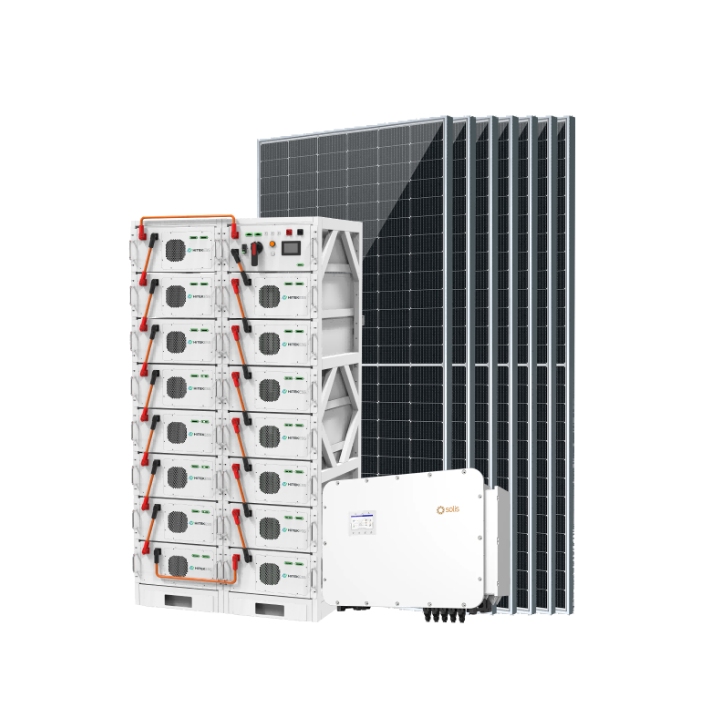
A solar storage project should start with real data, not only the roof size. The most useful document is an interval load profile showing how much power the site draws every 15 minutes. With this data, system designers can see whether the problem is a short kW spike, a long evening plateau, or both.
For summer peak electricity demand, the sizing question is not simply “how many kWh are needed?” Power rating matters too. A battery with enough capacity but too little output may not shave the peak. A system with high output but too little capacity may run out before the peak period ends.
Practical Selection Points
Before purchasing a solar battery storage system, buyers should review:
- Peak demand target: the kW level the system should keep grid demand below.
- Discharge duration: whether the peak lasts 15 minutes, 2 hours, or a full evening.
- Battery chemistry: LiFePO4 battery systems are common because of cycle life and thermal stability.
- Installation environment: indoor room, wall space, outdoor cabinet, or containerized area.
- Control strategy: backup priority, peak shaving priority, or time-of-use savings.
- Service access: monitoring, maintenance, commissioning support, and spare parts planning.
Good design leaves room for change. Summer loads may grow when a family adds an EV charger, a store adds refrigeration, or a factory expands a production line.
Residential Storage: Comfort With Less Grid Dependence
Homeowners often notice the problem first in comfort, not in technical terms. The air conditioner runs late. The power bill rises. A short outage can stop Wi-Fi, lighting, refrigerator loads, security systems, and water pumps. Solar panels produce well in the day, but much of the household demand may happen after sunset.
A residential hybrid solar energy system with battery storage helps bridge that gap. During the day, the system powers household loads and charges the battery. In the evening, stored solar energy supports cooling, lighting, small appliances, and selected backup circuits.
Commercial and Industrial Storage: Cut Peaks Without Cutting Work
For businesses, summer peak demand is often tied to revenue. A cold storage facility cannot turn off refrigeration during a heat wave. A workshop cannot stop machines every time the grid price rises. A hotel cannot ask guests to use less cooling at 6 p.m. This is where commercial energy storage becomes an operating tool rather than an accessory.
A C&I energy storage system can discharge during short load spikes, support backup power for critical circuits, and reduce the impact of peak demand charges. In industrial parks, storage can also work with rooftop PV, charging stations, and microgrid controls. The goal is to make the site’s grid demand less volatile while daily work continues.
Outdoor and Containerized Storage for Larger Sites
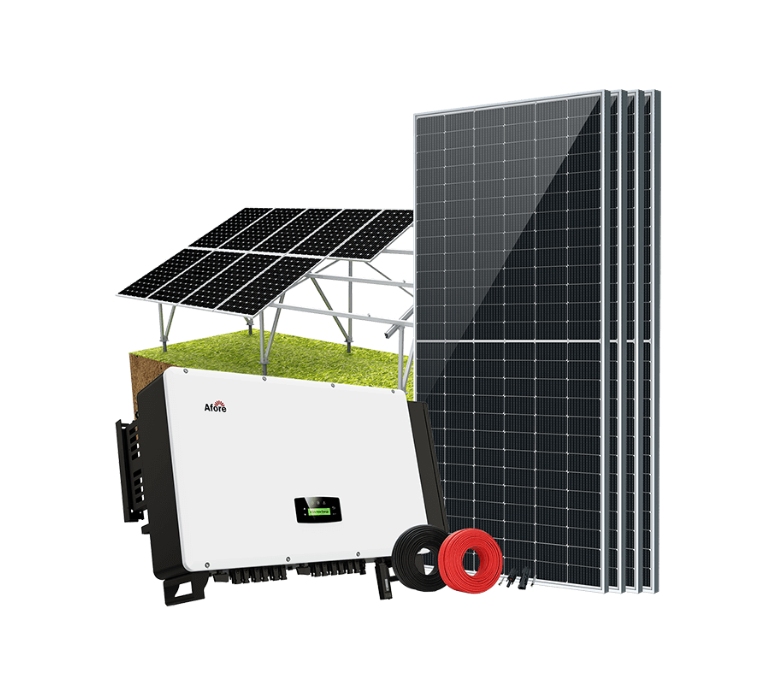
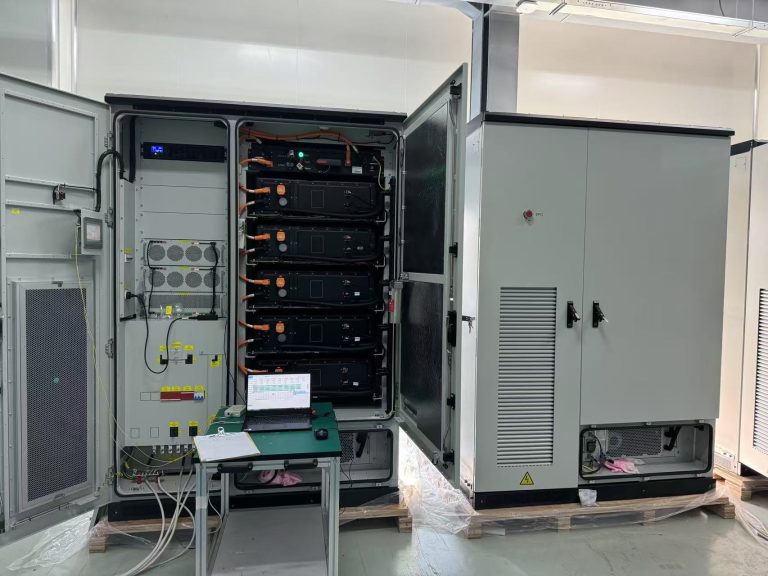
Some projects need more than a wall-mounted or indoor battery. Outdoor battery cabinets are useful when floor space is limited or when a site needs a packaged system with protection, cooling, and monitoring.
Containerized energy storage is better suited to larger commercial, industrial, utility, and microgrid applications. These systems are usually built for higher capacity, faster deployment, and easier maintenance access. For summer peak demand, they can support renewable energy integration, peak shaving, grid stabilization, and backup power across a whole facility.
About HITEK ENERGY CO., LTD
HITEK ENERGY CO., LTD is an energy storage products manufacturer focused on LiFePO4 lithium battery, PV module, and system solutions for residential storage, commercial storage, backup power, smart grids, and larger energy storage projects. HITEKESS’ published information describes a portfolio covering lithium batteries, inverters, solar panels, residential energy storage systems, C&I energy storage systems, and containerized or outdoor BESS solutions.
Its manufacturing and service information also highlights R&D work, quality management, technical support, project evaluation, OEM response, and lifecycle support. For buyers comparing solar energy storage suppliers, these points matter because a storage project is not only a product purchase. It involves system design, safe integration, commissioning, monitoring, and after-sales support over years of operation.
@ info/ rich
Summer peak demand for electricity is an actual problem when it comes to the cost of electricity and its reliability, but it is also an actual opportunity that should be utilized through efficient planning of energy resources. Solar energy storage collects solar energy during the day time, decreases the usage of electricity from the grid during the expensive or strained hours, and enables consumers more control over their usage of energy during the day time. The most successful projects rely on actual load information, proper sizing, safe battery technologies, and technical support.
FAQs
How does energy storage via solar energy help decrease summer peak demand for electricity?
Energy storage using solar energy stores excess solar energy in the battery when solar energy is abundant and withdraws energy from the battery during periods of increased demand. Energy storage thus helps with peak shaving and load shifting.
Is energy storage through solar batteries beneficial to commercial buildings?
Yes. Commercial buildings normally have high loads during summer due to the need for cooling, lighting, refrigeration, and other uses.
What is the difference between residential and C&I energy storage?
Residential storage usually focuses on home backup power, evening solar use, and lower household bills. C&I energy storage systems are built for higher power output, larger battery capacity, remote monitoring, and demand charge reduction.
HITEKESS TOP SELLING ENERGY STORAGE SYSTEMS
- Commercial 50kVA 100kVA Solar Battery Energy Storage System 50kw 100kw Hybrid All in One Solar Power System 100kwh 200kwh 229kwh 241kwh Lithium Battery Backup
Model: HTAC-50/100-OD
- Renewable Energy Hitek Best 250kw Inverter off Grid on Grid Hybrid 50kw 100kw 150 Kw 250kw Complete Solar Power System Cost All in One Solar Panels System
Model: HT250KW-HY
- Hitek 3 Phase off Grid Hybrid Complete Set Solar Photovoltaic System 150kw 100kw 250 Kw Solar Power Storage System for Farm
Model: HT250KW-HY
4.Hybrid Solar Energy Power System 30kw 50kw 100kw 150kw 200kw 300kw 500kw off Grid Solar Storage System All in One Solar System with Lithium Battery
Modell: HT100KW- HY
- Zambia Complete 100kw 200kw 300kw 500kwh 600kwh Commercial Use Solar Energy off Grid System Full Set Solar Battery Storage System 200kw 3 Phase
Modell: HTCI- 300KW/600KWH