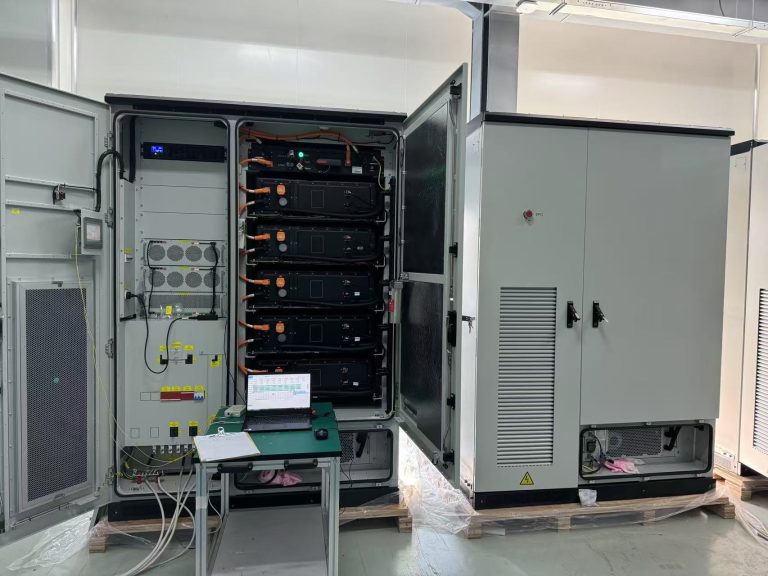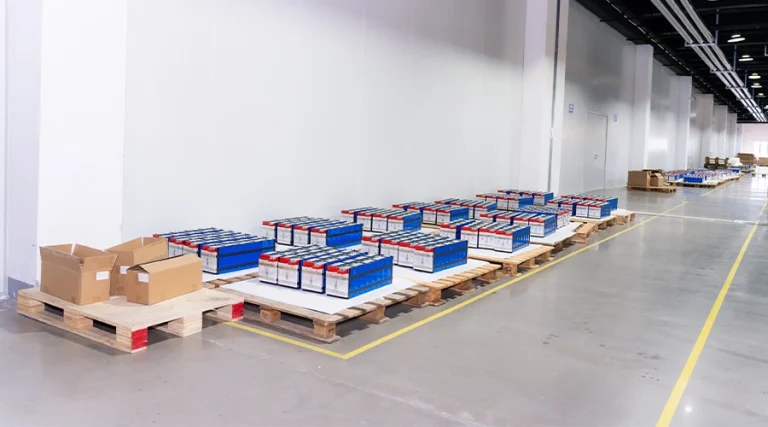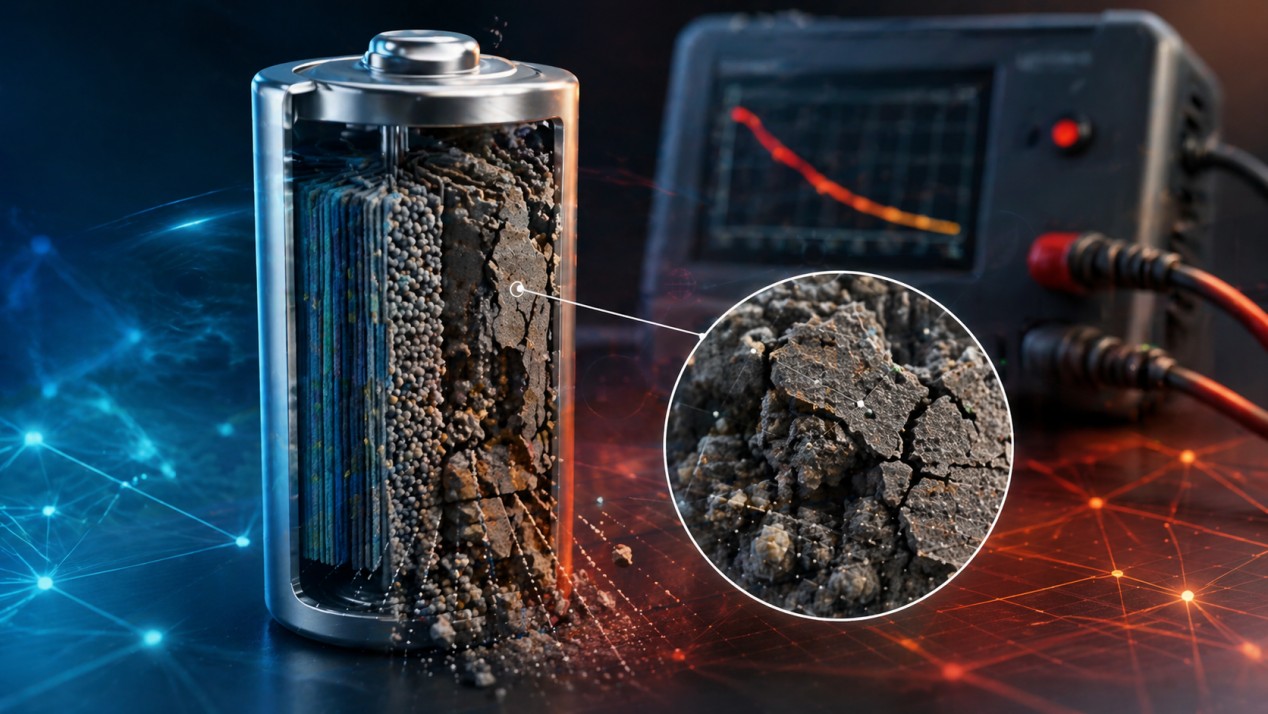
The rising worry about Litium-batteri capacity loss has turned into a key problem in many fields. Energy storage systems, electric vehicles, and business setups rely a lot on steady work. Today’s uses push these batteries into tougher working situations. These include fast charge speeds, changing temperatures, and often repeated cycles. Such conditions speed up wear and tear. Spotting the reasons for capacity drop with care is vital. It helps keep system trust and boosts work while lengthening use time.
What Factors Are Accelerating Lithium Battery Capacity Loss?
Lithium batteries wear out through several linked ways. These come from chemical actions, outside exposures, and work habits. To dive deeper, let’s look at the main causes.
Chemical and Structural Degradation Mechanisms
On a tiny scale, a few lasting changes cause battery capacity loss. The solid electrolyte interphase (SEI) layer grows on the anode surface. This raises inside resistance. As a result, energy use drops. During quick charging or cold weather work, lithium plating happens. Metallic lithium builds up on the anode. It does not mix into it as it should. This cuts down on active lithium supply. Over years, cathode parts go through structure shifts. These change their crystal setup. It leads to steady capacity drop and less voltage steadiness.
Environmental and Operational Influences
Chemistry is not the only driver. Outside elements like heat and cycle depth matter a great deal. High room heat speeds up fluid breakdown and gas build-up in cells. Full drain cycles add physical strain on electrodes. They cause small cracks. These get worse with more use. In big setups like power grid storage or factory backup units, poor heat control leads to uneven warmth spread in parts. This boosts wear speeds in some cells.
Impact of Charging and Discharging Behavior
How you charge plays a big role in long-term health. Quick charge plans cause uneven spread of ions in electrodes. They make local build-up spots. These spots create strain. Uneven power flows during work lead to hot areas. Such areas harm electrode details. Also, too much or too little charge upsets voltage match in multi-cell groups. Weaker cells wear out quicker than others. In the end, it lowers the whole system’s capacity.
How Does System Design Affect Battery Longevity?
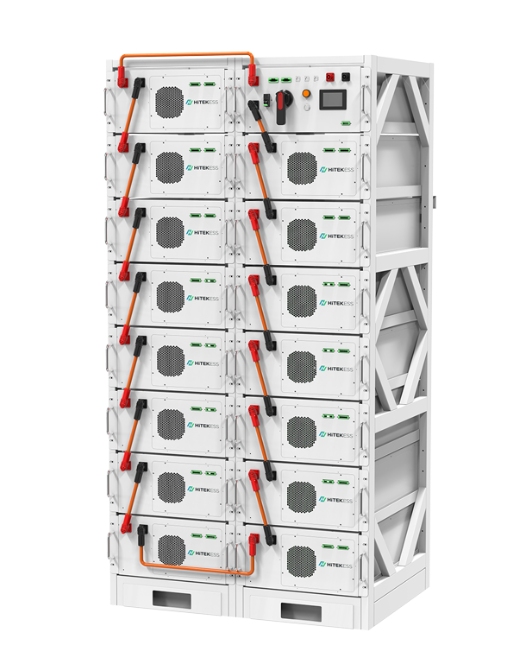
The way a system is built and managed shapes how long lithium batteries last. Control plans have a strong effect too. Next, we explore key parts of this.
Influence of Battery Management Systems (BMS) on Capacity Retention
A smart BMS helps keep energy storage strong over time. Smart plans balance cells one by one. They cut down on uneven wear in parts. Close watch on voltage, power, and heat stops too much strain. Things like high voltage or too much heat could start fast wear. But wrong setup or old software can do harm. It brings errors in charge level guesses. These speed up breakdown instead of stopping it.
Role of Installation and Commissioning Practices in Industrial & Commercial Storage Systems
Good setup makes sure batteries work in best body and power states from the start. This sets a solid base for service.
System Installation Considerations
Air flow planning is key for even heat spread in tight-packed parts. Good cooling, like air or liquid types, stops hot spots. These spots raise risks of heat runaways. Power links need right tightness for low touch resistance at ends. If not, local heat can build during strong power use.
Commissioning and Initial Testing Procedures
Before use, early charge checks make sure all parts have matching voltages. This avoids mismatches in first cycles. Load fake tests copy real work conditions. They check system work steadiness under planned needs.
How Can Users Diagnose Rapid Capacity Decline?
If work falls off fast, check methods help find root causes quickly. These tools make spotting issues easier and faster.
Diagnostic Techniques for Identifying Degradation Sources
Electrochemical Impedance Spectroscopy (EIS) Analysis
EIS gives views into inner power-chemical flows. It measures block responses based on wave speed. A rise in block at certain speeds often shows SEI build-up or fluid aging in cells.
Capacity Retention Testing Over Cycles
Engineers cycle a battery through set charge-drain steps again and again. They follow usable capacity changes over time. This spots early hints of quick drop versus start data.
Thermal Imaging and Sensor Data Review
Heat pictures with built-in sensor info point out hot spots or odd heat signs in parts. These signal mismatch problems or weak cooling that needs quick fixes.
Data Analytics in Battery Health Monitoring Systems
New watch platforms use learning models from past voltage-power records. They guess left useful time well. Cloud tools allow far-off checks in spread setups. Operators spot odd signs early. They do this without hands-on check stops.
What Preventive Measures Can Slow Down Capacity Loss?
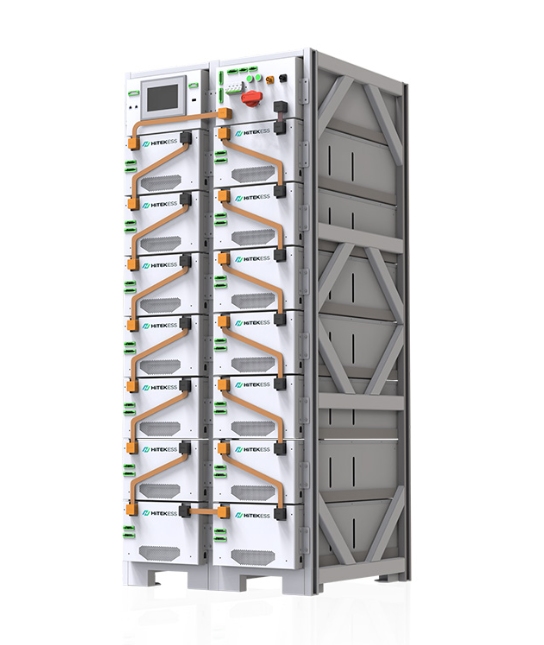
Stop-ahead care mixes better work with steady watch. These steps slow wear growth well. Let’s see how to apply them.
Optimizing Operating Conditions in Energy Storage Applications
Keeping steady outside settings boosts life a lot. Simple changes here make a big difference.
Temperature Control Strategies
Liquid cool lines or pushed air flow keep heat balance in thick battery groups. These setups cut local overheat. That would speed up side actions in cells otherwise.
Charge Protocol Optimization
Flexible charge plans change voltage limits based on live cell health info from the BMS. This cuts body strain in mix-out cycles. It keeps high work all through use time.
Maintenance Practices for Industrial and Commercial Energy Storage Systems
Regular care keeps system trust steady under hard load plans. It builds long-term strength.
Regular Calibration of BMS Sensors
From time to time, reset of BMS sensors ensures true reads of voltage and power for charge level math. This is key to stop both overcharge and full drain events. Those cut cycle life.
Periodic Balancing Operations
Auto balance makes cell voltages even in parts. It moves charge from strong cells to weak ones. This skips over-strain on single units. It ensures same work across the full group.
Who Is HITEK ENERGY CO., LTD.? A Reliable Partner in Lithium Battery Solutions
HITEK ENERGY CO., LTD. is a skilled maker focused on good lithium battery answers for factory, business, and energy storage uses around the world. The firm gives full help. This covers plan talks, system mix building, setup guides, start watch, and after-sell tech aid. Its skills reach ahead cell mix fixes to boost cycle strength and safe work under different outside states. HITEKESS also gives custom pack setups to fit exact power needs for hard projects. These go from green power mix systems to heavy factory backup units. It makes the company a sure partner for buyers wanting trust through new-idea making skill.
@ info/ rich
Lithium battery capacity loss comes from mixed causes. These span chemical wear like SEI growth or lithium plating. They include outside pulls like heat highs. Work mismanagement such as odd charge ways and build flaws tied to weak control systems or bad setup habits add to it. Good spotting via EIS checks, capacity hold tests, heat reviews, and guess work lets early find before bad drop. Stop steps like better heat rule, flexible charge plans, steady BMS reset, and from-time balance stretch useful life a lot. Teaming with skilled sellers like HITEK ENERGY CO., LTD gives reach to ahead tech and strong quality frames. These are needed for long-term steadiness in energy storage rolls worldwide.
FAQs
Why does my lithium battery lose capacity faster even under normal use?
Even with mild work, slow SEI layer build mixes with tiny heat changes or unmatched cell voltages. These add up to speed capacity drop over long times.
How often should I perform diagnostic tests on a commercial energy storage system?
For business setups or factory-big units, every three months check reviews are suggested. These include EIS measures, heat picture looks, and BMS data checks. They keep work track true.
Can software updates improve battery longevity?
Yes. New BMS software often sharpens charge rule plans. It boosts balance skill and fault spot powers. This helps cut wear when done by maker rules.
HITEKESS HOT SELLING LITHIUM BATTERIES
1. High Voltage Batteries for Solar Panels 15 Kwh 20kwh 30kwh Power Stacked 48V Home Lithium Solar Battery
Modell: HT-30HS
2. Lithium Battery Home Storage Battery Lithium Solar Battery 200ah 40kwh Lithium Battery High Voltage Stacked Battery LiFePO4 Solar Battery
Modell: HT-30HS
3. Stackable Lithium Battery Pack 5kwh 10kwh 48V 51.2V 100ah 200ah LiFePO4 20kwh 30kwh Home Solar Energy Battery Pack Movable Battery Solar Cell 12V
Modell: HT-30HS
4. Hetik Batterie Solaire Lithium Ion Battery 48 Volt 100ah 200ah 5kwh 10kwh 48V Lithium Powerwall Solar Home Battery Storage Cost
Model: HT-05LW
5. 15kw Solar System 10kw 12kw 13kw 15kw PV System Solar 15kw on Grid Solar System Cheap Price
Model: HT15KW3-ON