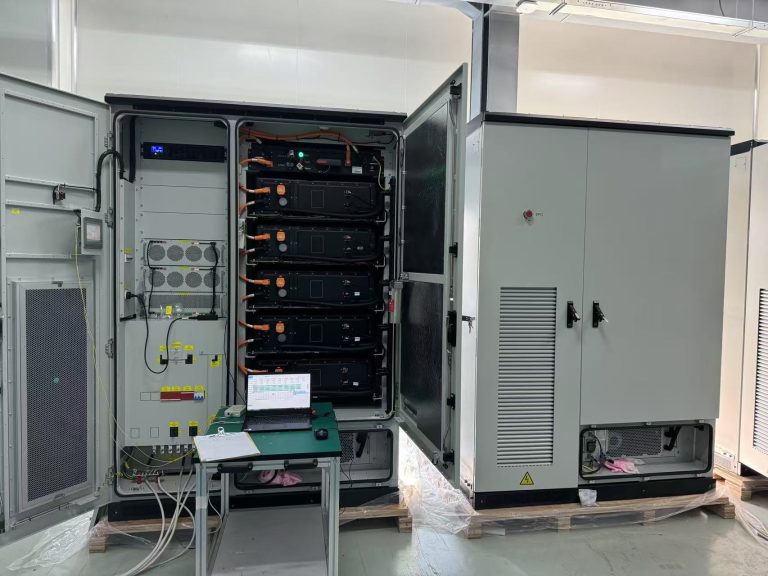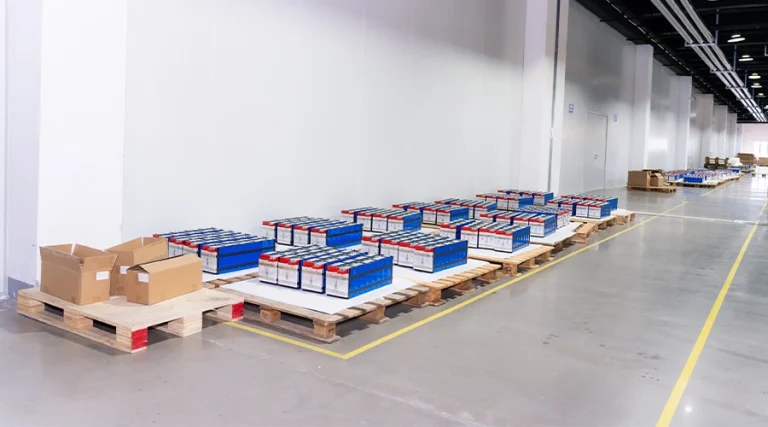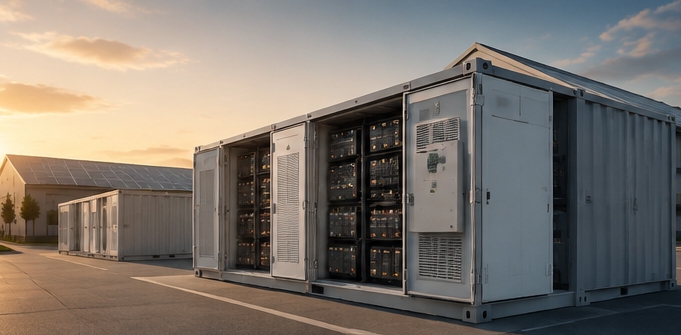
A commercial battery project should start with a business problem, not a battery size. A factory may want to cut an afternoon demand spike. A warehouse may need to move solar energy into evening operating hours. A hotel may care more about keeping lighting, network equipment, pumps, and reception online during outages. These jobs need different system designs.
A well-matched C&I energy storage system connects site data, power needs, battery capacity, control strategy, safety, and service into one plan. The goal is to choose a battery energy storage system that can do the required work every day without unnecessary cost or complexity.
Start With the Job the Battery Must Do
The first design decision is the use case. Commercial energy storage can support several goals, but one or two usually drive the project economics.
Define the Primary Operating Goal
Common C&I applications include:
- Peak shaving to reduce the highest grid demand during short high-load periods.
- Load shifting to charge during lower-cost hours and discharge when electricity is more expensive.
- Solar self-consumption to store midday PV output for later use.
- Backup power for selected critical loads during grid interruptions.
- EV charging support when chargers create sharp site demand peaks.
- Weak-grid or microgrid support where stable power matters as much as energy cost.
A plastics plant running large motors may need high discharge power for short periods. A cold-storage site may need several hours of energy through an expensive tariff window. The battery capacity may look similar on a quotation, yet the operating logic is different.
Read the Load Profile Before Discussing Capacity
Monthly electricity bills help with cost review, but they rarely show enough detail for sizing. A commercial energy storage system responds to when power is used, how high the peaks are, and how long they last.
Separate kW From kWh
Power and energy solve different problems.
| Metric | What It Tells the Buyer | Practical Question |
| kW | How fast the system can charge or discharge | How much peak load must be covered at once? |
| kWh | How much energy can be stored | How long must the battery support that load? |
Consider a site with a normal demand of 300 kW that rises to 420 kW for one hour each afternoon. If the target is to hold grid demand near 300 kW, the battery may need roughly 120 kW of discharge power. Required usable energy then depends on duration, reserve, losses, and how the peak changes day to day.
For many projects, a full year of 15-minute or 30-minute interval data is more useful than annual consumption alone. Seasonal peaks, HVAC loads, production shifts, and new equipment can change the result.
Match System Size to Tariffs and Operating Hours
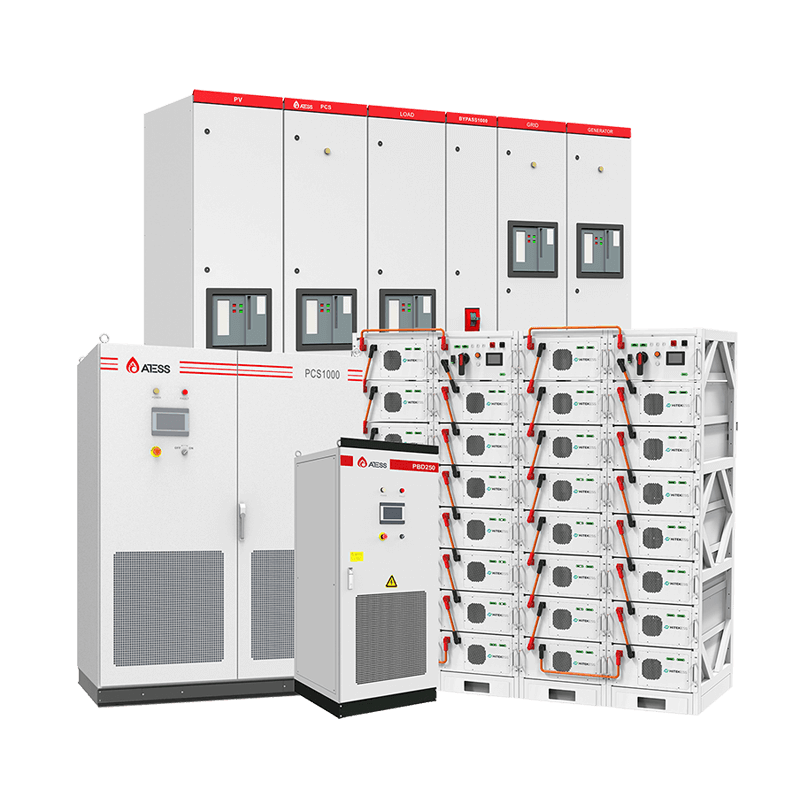
A BESS for business earns value through the tariff and operating schedule around it. The same battery can have a strong case at one site and a weak case at another.
Check Where the Savings Actually Come From
Before selecting a system, examine:
- Peak-demand charges and the interval used to calculate them.
- Time-of-use price differences between charging and discharging periods.
- Solar export limits or curtailed PV energy.
- Outage frequency and the financial cost of downtime.
- Planned load growth, such as new production lines or EV chargers.
A distribution center may have low overnight prices, a morning charging fleet, and a strong afternoon peak. An industrial battery storage solution could charge overnight, support charging in the morning, then retain capacity for the afternoon peak.
Look Beyond the Battery Cells
Cells store the energy, but system performance depends on how the rest of the equipment works together. A C&I energy storage system is a coordinated power platform, not a stand-alone battery pack.
Review the Control and Conversion Layers
The BMS watches cell voltage, temperature, state of charge, and protection limits. The PCS or hybrid inverter handles power conversion. The EMS decides when the system should charge, discharge, hold reserve, respond to solar production, or limit grid import.
For peak shaving battery storage, EMS behavior matters. A battery that discharges too early may have little energy left when the real monthly peak arrives. A system that reacts too late may fail to reduce the billed maximum. Buyers should ask how dispatch rules are set, how site meters communicate with the system, and what operating data is available remotely.
Treat Site Conditions as a Design Input
Outdoor battery systems work in heat, cold, dust, humidity, salt air, tight equipment yards, and sometimes areas with limited maintenance access. These conditions affect cooling demand, enclosure choice, cable routing, fire protection, and long-term operation.
Check the Installation Environment Early
A site survey should cover footprint, ambient temperature, ventilation, drainage, service access, electrical interconnection, communication links, and local safety rules. Cooling design should also match the duty cycle. A system cycling hard every day creates a different thermal load from a backup battery that spends most of its life on standby.
If a factory expects another production line within two years, modular expansion may be more valuable than buying excess capacity on day one.
Compare Suppliers on Lifecycle Value, Not Purchase Price
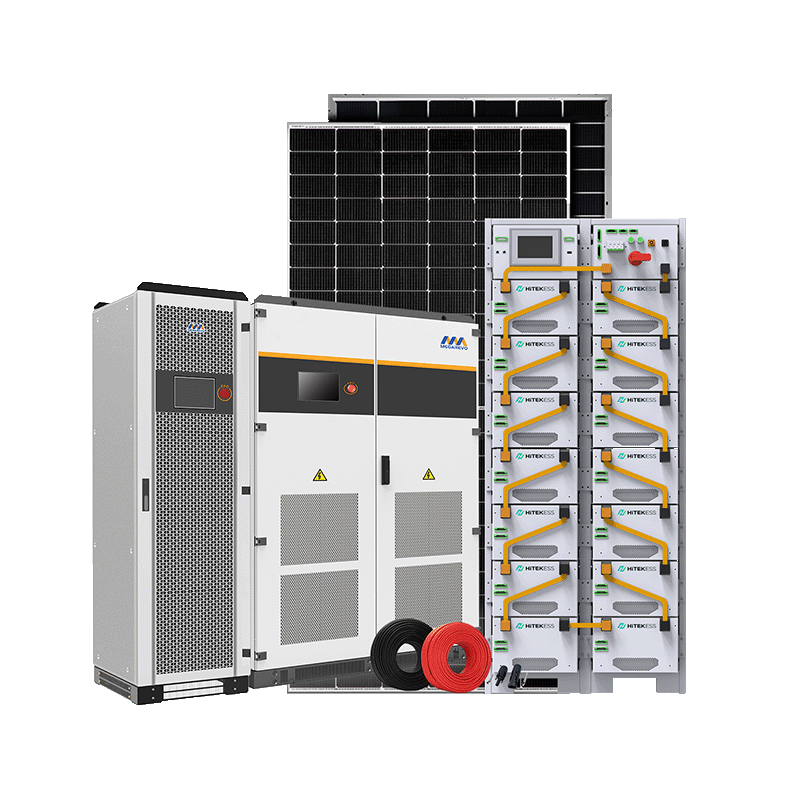
Two quotations with similar kW and kWh ratings can represent very different project risks. Procurement teams should compare what happens after delivery, not just the first-page price.
Use a Practical Buyer Checklist
Ask whether the proposal clearly covers:
- Usable energy rather than nameplate energy alone.
- Operating temperature and cooling method.
- Battery, BMS, PCS, and EMS integration.
- Commissioning responsibilities and site testing.
- Remote monitoring and fault diagnosis.
- Warranty conditions, performance terms, and exclusions.
- Spare-parts planning and technical response.
- Options for later capacity or power expansion.
A lower purchase price can lose its advantage if commissioning is slow, monitoring is limited, or service requires several unrelated vendors. For commercial users, uptime and predictable operation are part of project economics.
About HITEK ENERGY CO., LTD
HITEK ENERGY CO., LTD is an energy storage products manufacturer focused on prismatic LiFePO4 batteries, modules, and integrated storage systems for commercial, industrial, residential, backup, and grid-related applications. Its published company information highlights energy storage research, quality-control infrastructure, traceable production, project evaluation, technical support, and customized solution services.
For buyers assessing a long-term energy storage partner, manufacturing depth and system-level support matter when a project requires more than a standard battery shipment. A manufacturer that can discuss the site’s load profile, system architecture, controls, installation conditions, and future expansion is better positioned to support a project from planning through operation.
Conclusão
The right C&I energy storage system fits the site’s load curve, tariff, operating schedule, critical loads, installation conditions, and growth plan. Start with interval data and a clear use case. Then match power in kW, usable energy in kWh, control logic, thermal design, safety, and service to that job.
This helps buyers avoid two expensive mistakes: purchasing too little capacity to meet the target or paying for equipment that rarely produces value. A site-specific technical review before quotation is a useful step in commercial energy storage procurement.
FAQ
What Size C&I Energy Storage System Does a Business Need?
There is no reliable size based on monthly consumption alone. Required power depends on the peak load to be covered, while battery capacity depends on how long that support must last. Interval load data, tariffs, solar production, backup needs, and future loads should all be reviewed.
What Is the Difference Between kW and kWh in a Commercial Energy Storage System?
kW measures power, or how quickly the system can deliver energy. kWh measures stored energy, or how long the system can keep supplying that power. Both values must match the intended use case.
Can a Battery Energy Storage System Reduce Electricity Costs?
Yes, when the tariff and load profile support it. A battery energy storage system may reduce costs through peak shaving, time-of-use load shifting, higher solar self-consumption, or a combination of these functions.
Is an EMS Important for Peak Shaving Battery Storage?
Yes. The EMS controls when the battery charges and discharges. Good dispatch logic helps preserve enough energy for periods when grid demand would otherwise set a higher billing peak.
What Should Buyers Provide Before Requesting a C&I Energy Storage Quote?
Provide recent interval load data, the electricity tariff, solar system details if applicable, required backup loads, site conditions, and planned future loads. This allows a supplier to propose a commercial energy storage system around the actual operating problem rather than a generic capacity figure.
HITEKESS TOP SELLING C & I Energy Storage Systems
- Hitek 500kw on off Grid Solar Energy System 350kw 400kw 600kw 800kw Hybrid Solar Photovoltaic Storage System High Voltage 3 Phase Solar Energy System
Modelo: HT500KW-HY
- África do Sul Sistema Solar Hibrido Offgrid150kw 120kw 100kw 50kw 30kw 50kw 100kwh Sistema de Energia Solar com LiFePO4 Battery Backup
Modelo: HT50KW-HY
- Hitek 3 Phase off Grid Hybrid Complete Set Solar Photovoltaic System 150kw 100kw 250 Kw Solar Power Storage System for Farm
Model: HT250KW-HY
- Renewable Energy Hitek Best 250kw Inverter off Grid on Grid Hybrid 50kw 100kw 150 Kw 250kw Complete Solar Power System Cost All in One Solar Panels System
Model: HT250KW-HY
- Commercial 50kVA 100kVA Solar Battery Energy Storage System 50kw 100kw Hybrid All in One Solar Power System 100kwh 200kwh 229kwh 241kwh Lithium Battery Backup
Model: HTAC-50/100-OD