Solar energy systems aim to provide steady electricity production. Yet, various unseen issues can lead to reduced power in a solar setup. For experts handling PV assets, spotting these problems correctly is key to keeping profits high and ensuring long-term dependability.
Key Concepts Behind Solar System Efficiency
Solar conversion efficiency means the amount of electrical energy from solar modules versus the full sunlight they receive. System yield tracks the total energy made over a set time compared to the system’s size. Both ideas help check how well the system works. Sunlight strength and heat affect this a lot. More sunlight increases current, but higher heat lowers voltage. This cuts overall efficiency. Tools like Performance Ratio (PR), system availability, and loss factor checks measure energy drops. They also compare the system’s health to what is expected.
Identifying the Signs of Inefficient Energy Generation
A clear fall in daily or monthly output from forecasts often points to a problem. If inverter data does not match monitoring tool results, it may mean setup errors or connection issues. Also, uneven power from similar strings or groups of modules shows differences or local wear. Experts need detailed checks to fix these.
Electrical Configuration and Connection Losses
The way electricity is wired affects how well DC power turns into useful AC power. Bad setups can cause big losses, even if modules work fine.
Impact of Mismatched Strings and Module Imbalance
If modules in a string make different currents from shade, wear, or build differences, the whole string slows down to match the weakest one. Uneven aging from hot spots or tiny cracks makes this worse over time. Good string planning that matches voltages and keeps conditions even cuts these mismatch losses. It also keeps current steady across all modules.
Influence of Cable Resistance and Voltage Drop
Long cables with too-thin wires raise resistance losses. This causes voltage drops from arrays to inverters. Badly connected joints or loose ends add spotty problems that hurt energy flow. Regular heat scans spot high-resistance spots early. This keeps good flow in DC and AC lines.
Environmental and Site-Specific Factors Affecting Output
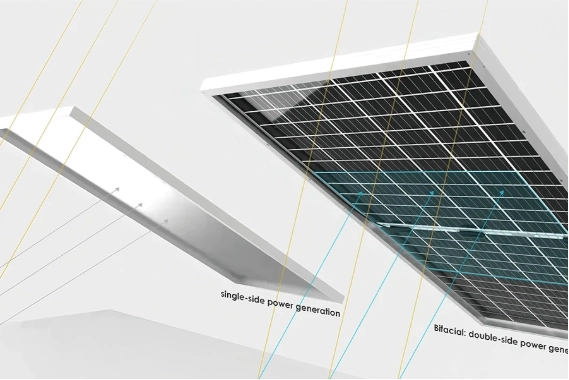
Outside of wiring, site conditions play a big role in how panels lose efficiency.
The Role of Shading and Obstructions
Even small shade from trees, buildings, or antennas can cut array output fast. Shaded cells block current in whole strings. Bypass diodes stop major damage, but they do not get back all lost power. Using microinverters or power optimizers gives control per module. This helps handle local shade well.
Effects of Temperature on Module Performance
When cell heat goes above 25°C, voltage drops steadily. Current rises a bit, but power falls overall. Bad airflow behind panels builds more heat on roofs or ground setups. Choosing modules with low heat effects helps in warm areas with steady heat stress.
Mechanical Degradation and Soiling Effects
Wear from use and dirt buildup slowly but surely add to low power problems in solar systems.
Soiling Accumulation on Module Surfaces
Dust, bird waste, pollen, or factory dirt blocks light through the glass. Cleaning plans should match local dust amounts. Dry areas might need it every two weeks, while wet ones can wait longer. Robot cleaners are now common for big sites. They keep output steady without high work costs.
Structural Misalignment or Mounting Issues
Wrong angles at setup stop panels from getting the best sunlight over seasons. Wind or heat changes can loosen parts over time. This shifts alignment in small but important ways. Routine checks on mounts keep things stable. They also hold the right aim toward true south, or north in the south.
Inverter Efficiency and Conversion Losses
Inverters change DC to AC for the grid. Their work level shapes total output.
How Inverter Performance Influences System Yield
New inverters reach 96–98% top efficiency. But running away from best loads cuts how well they convert. Big arrays might overload them into clipping. Small ones run at low loads and waste power. Software updates improve tracking of power points. Good cooling stops heat slowdowns that shorten life.
Degradation of Solar Modules Over Time
PV parts wear out from long sun exposure, wet air, and heat cycles. Seal failures let water in, causing peeling or rust at cell links. Watching yearly wear rates, often 0.5–0.8%, helps predict total output for money plans.
Monitoring Systems and Data Interpretation Errors
Right data reading is vital to catch problems early.
The Importance of Accurate Data Collection and Analysis
Bad sensors or wrong meter setups twist live readings. This leads to wrong ideas about system state. Network breaks stop data logs and hide patterns for upkeep forecasts. New monitoring tools use AI to spot small oddities from hardware troubles.
Maintenance Practices to Restore Optimal Output
To keep steady work in different settings, regular upkeep is a must.
Preventive Measures for Sustained Efficiency
Planned checks include looks, bolt tightness, heat scans for hot spots, and inverter software care. These hold the system strong. Cleaning by season stops dirt losses. Ongoing checks against start-up levels spot changes fast. Then, fixes target the issues.
HITEK ENERGY CO., LTD — A Trusted Partner in Solar Solutions
Компанія HITEK ENERGY CO., LTD. stands out as a solid supplier of strong PV products. These work well in many weather types with high efficiency. HITEKESS focuses on strict quality checks and tech help. This aids clients in better designs and upkeep to cut efficiency drops over years.
Висновок
Low power in solar systems comes from many sources like wiring mismatches, site limits, part wear, inverter shortfalls, data mistakes, and normal material fade. Experts should use steady checks with on-site measures and models to find each cause. They must also add upkeep steps to hold reliable energy output long-term.
Часто задані питання
What is considered an acceptable level of annual degradation for solar panels?
Most good modules show under 0.8% yearly drop in normal use. If it goes over, check for seal or link problems.
How often should solar arrays be cleaned?
Cleaning times vary by dust in the area. City setups often need it every two months. Desert spots with heavy dirt may require it every two weeks.
Can inverter firmware updates improve overall system efficiency?
Yes. New firmware brings better tracking for changing sunlight. It also boosts error handling in inverter controls.
HITEKESS BEST SELLING SOLAR ENERGY SYSTEMS
1. Easy Installation Good Performance 5kw 10kw 15kw 20kw Offgrid Solar System 220V 380V 30kw Hybrid Solar System Home Use Complete Kit
Модель: HT10KW-HY
2. High Efficiency 15kw 20kw 30kw on off Grid 30kw Solar System Home Power with Lithium Ion Batteries
Модель: HT10KW-HY
3. Complete off Grid Solar Power System 30kw 20kw Solar Battery Storage Systems 10kwh Ht Solar 10kw Price for The Whole House
Модель: HT30KW-HY
4. South Africa Offgrid Hybrid Solar System150kw 120kw 100kw 50kw 30kw 50kwh 100kwh Solar Power System with LiFePO4 Battery Backup
Модель: HT50KW-HY
5. Complete Set House Solar Generator 100 Kw 100kw 30kVA Home Solar System Cost 3000W Solar Battery Storage System Hybrid for Farm
Модель: HT100KW-HY