Solar power pulls in more folks all the time. If you want to cut your power bills or live https://www.hitekenergy.com/greener, you have a tough pick: link to the grid or go on your own? This piece looks at grid-connected systems against off-grid ones. We check out where each works well and how the cash side adds up. If you have a house or a company, knowing these choices lets you find what fits your life.
Understanding Grid-Connected Solar Systems
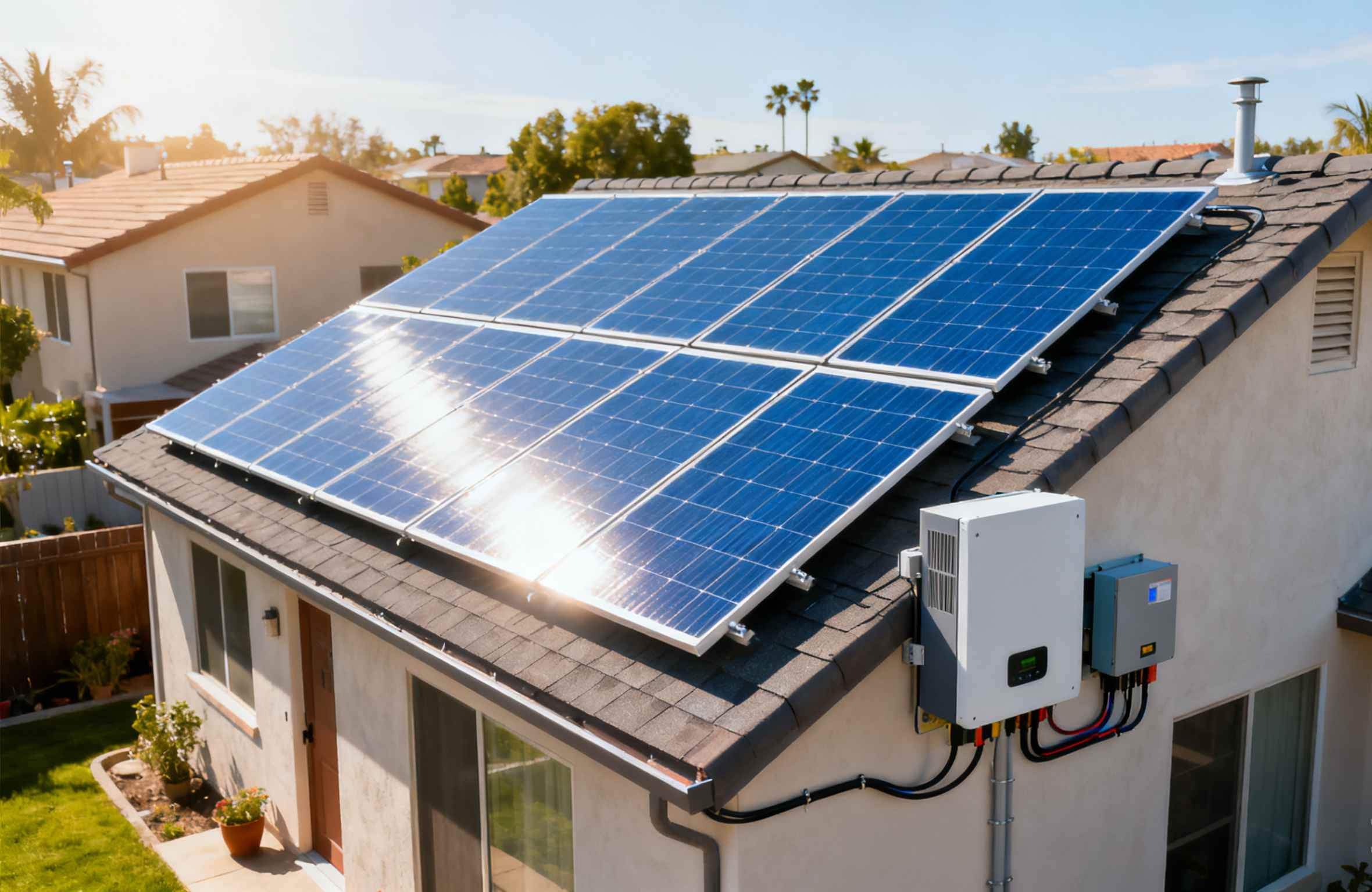
Grid-connected solar systems hook straight to your nearby power grid. They let you get energy from the sun in the day. Then, you switch to the grid when you need it, like at night or on cloudy days.
These setups often have solar panels and an inverter to turn DC power into AC. They also include a meter that keeps track of what you make and use. Any extra power you create can go back to the grid. This often gets you credits through net metering plans. So, you see lower bills without saving every drop of energy yourself.
Where Grid-Connected Systems Shine
Picture city houses or offices with solid grid reach. In towns or outskirts, where outages happen seldom, this choice fits right. You get steady power without much early trouble.
For companies, it works well in spots with lots of daytime energy use, like stores or small plants. They save money during busy hours when prices go up. Folks at home in sunny areas but near power lines like it too. It’s easy. You skip batteries if you just aim to balance daily use.
Money Matters for Grid-Connected Setups
Costs begin smaller here. Setup might cost you less since you leave out storage stuff. Plan to spend on panels, omvormers, and wires. But savings start soon from smaller bills.
In the long run, net metering can pay back your cash in 5 to 10 years. This depends on local prices and how much sun you get. Upkeep stays low—just wipe the panels sometimes. Some areas give tax cuts or refunds, which make it nicer. But look out for grid charges. They can eat into your gains.
Diving into Off-Grid Solar Systems
Off-grid systems run by themselves. They link to no power company. You make, save, and use all your energy right there.
Main parts include solar panels and batteries for holding power. You need a charge controller to handle the flow. Plus, an inverter. Batteries keep extra energy for nights or rainy days. This gives full freedom. But it needs good planning to match what you use.
If you live far away, this is your pick. Think cabins in the forest, farms away from lines, or RVs on the road. No grid means no bills. Yet, you have to size it all correct to avoid shortages.
Scenarios That Fit Off-Grid Best
Far-off places lead the pack. If running grid lines costs too much—over long ways—this beats it. Imagine country houses, spots on islands, or quick setups like field bases.
For people who care about the earth and want no tie to old fuels, it’s perfect. Companies in shaky grid zones, like mine sites or phone towers, use it for extra help. It does well where blackouts come often. It keeps things running without stops.
But keep in mind, it takes room for batteries and panels. Not all places have space.
Economic Side of Going Off-Grid
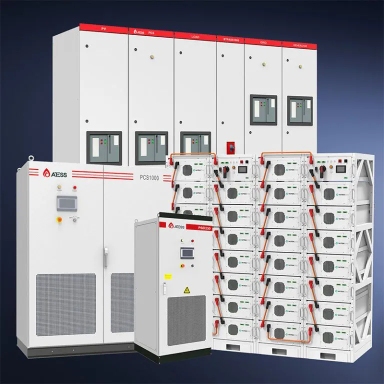
At first, it’s more costly. Batterijen and added gear pile up. A simple house system might cost twice as much as a grid-tied one.
But over time, no monthly charges mean real savings. If grid hookup fees get high, like $20,000 or more, off-grid pays back sooner. Think about battery span—good ones last about 10 years. But new ones cost money.
Upkeep means checking batteries and controllers often. In all, return on cash goes to 7-15 years. But the freedom from power companies feels great in the right place.
Key Differences at a Glance
To make it easy, here’s a fast table that compares the two:
| Aspect | Grid-Connected | Off-Grid |
|---|---|---|
| Connection to Utility | Yes, tied to the grid | No, fully independent |
| Storage Needed | Optional (for backup) | Essential (batteries required) |
| Initial Cost | Lower | Higher due to storage |
| Ongoing Bills | Reduced, but some grid fees | None |
| Reliability | High, with grid as fallback | Depends on system sizing |
| Environmental Impact | Reduces carbon footprint | Full renewable independence |
This chart shows why one might fit you better. Grid-connected keeps it simple and cheap to start. Off-grid asks for more but gives total say.
Economic Comparison: Breaking Down the Numbers
Cash often picks the winner. Let’s look closer.
For a normal house that uses 10,000 kWh each year, a grid-connected system might run $15,000 to $25,000 to set up. With net metering, you could save over $1,000 a year on bills. Payback? About 8 years. After that, free energy comes in.
Off-grid for the same house goes up to $30,000-$50,000 because of batteries. No bills might save you $1,500 each year. But add $5,000 every 10 years for new batteries. Payback goes to 10-15 years. Still, if grid hookup costs $40,000, off-grid comes out ahead.
Companies deal with larger sizes. A small plant might save lots each month with grid-tied by skipping high prices. Off-grid fits lone jobs and stops lost time that costs big.
Think about rewards. Many places give credits for solar, which cut the first hit for both. Fuel costs go up? Solar sets your prices. Over 25 years, both can save a lot. But figure your use first.
Hidden costs in grid-connected: Link fees or limits on selling power can surprise you.
Off-grid extras: Machines for backup add cost if the sun lets you down.
Long-term gains: Both cut bad gases, which helps your green look.
Run the figures for your area. Sites online help guess based on where you are and what you use.
Factors to Weigh Before Deciding
Your pick depends on some things.
Place counts most. Near the grid? Tied-in is simple. Way out? Off-grid skips hookup costs.
Power needs differ. Lots of use means bigger setups either way. Think about adding more—like electric cars or new rooms.
Money comes in. Low on funds? Begin with grid-connected. Add storage later for a mix.
Way of life matters. Like being free? Off-grid pulls you. Want it easy? Stay linked.
Chat with experts. They check your spot, sun time, and loads.
Hybrids mix both. Linked but with batteries for blackouts. Top of both, but more cash.
Introduce of HITEK ENERGY CO.,LTD
As an energy storage products manufacturer, HITEK ENERGY CO., LTD. focuses on reliable lithium batteries and systems for homes and businesses. With years in the field, we deliver solutions that fit real-world needs, from backup power to full storage setups. Our global reach and tech edge help customers go solar smart.
Conclusie
To sum up, grid-connected solar systems fit most folks with steady grids. They give fast savings and ease. Off-grid works for far spots or free setups, even with higher costs. On money, grid-tied pays back sooner. But off-grid cuts bills for good. Check your place, needs, and funds. Solar lifts your power game anyway, with less cost and bad stuff. Set to jump in? It makes a better name for you or your company in green stuff.
Veelgestelde vragen
What are the main applicable scenarios for grid-connected vs. off-grid solar systems?
Grid-connected systems work best in urban or suburban areas with stable utility access. There, you can sell extra power back. Off-grid fits remote locations like rural homes or cabins. It provides full independence without grid ties.
How does the economic comparison stack up between grid-connected and off-grid solar systems?
Grid-connected often costs less at first. It pays back quicker through bill savings and rewards. Off-grid has higher starting costs due to batteries. But it ends ongoing utility fees. This makes it good where grid links cost a lot.
Can I switch from a grid-connected to an off-grid solar system later?
Yes, many start grid-connected. Then, they add batteries for hybrid use. This lets you try it out before going all off-grid. It depends on your changing needs.
What maintenance do grid-connected vs. off-grid solar systems require?
Grid-connected needs little work, like cleaning panels. Off-grid asks for regular battery checks and system watches to keep power even.
Are there incentives for choosing grid-connected or off-grid solar systems?
Both can get tax credits in many spots. But grid-connected might get net metering extras. Look at local rules to get the most savings.
HITEKESS BEST-SELLING ON GRID & OFF GRID SOLAR SYSTEMS
- Easy Installation Good Performance 5kw 10kw 15kw 20kw Offgrid Solar System 220V 380V 30kw Hybrid Solar System Home Use Complete KitModel: HT10KW-HY
- High Efficiency 15kw 20kw 30kw on off Grid 30kw Solar System Home Power with Lithium Ion BatteriesModel: HT10KW-HY
- Easy Installation 8kw 10kw 15kw 20kw 30kw Hybrid Solar Power System with Wall Mounted 51.2V 200ah Lithium Battery for Reselling to CubaModel: HT10KW-HY
- Hitek All in One off Grid 50kw 100kw 150kw 200kw 250kw 500kw Bess Solar Battery Energy Storage System 1MW Hybrid Solar System with Distributed Battery CabinetModel: HT-100/200-OC
- Hitek Containerized Solar System 100kw 250kw 500kw Hybrid Solar System with 500kwh 1mwh Lithium Battery 500kw 1MW Solar Battery Energy Storage System PriceModel: HT500KW-HY