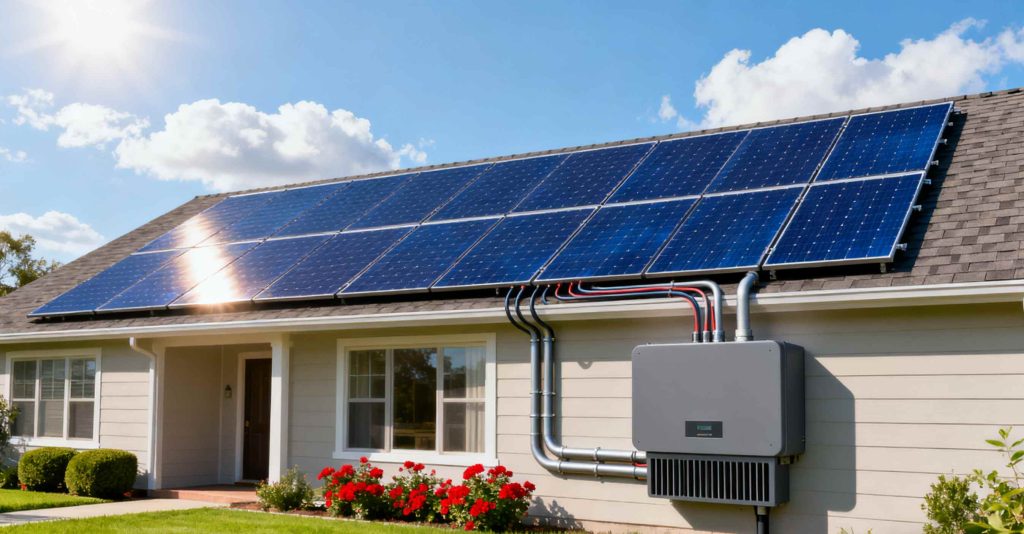
Solar power brings clean energy to homes and businesses. It cuts bills and helps the planet. But putting in these systems comes with risks. You might face shocks, falls, or fires if things go wrong. This post dives into common safety hazards during solar installation. We’ll look at ways to avoid them too. Think DC high voltage risks, fire prevention rules, and grounding protection. Whether you’re a homeowner or run a company, knowing this stuff keeps everyone safe and boosts your setup’s reliability.
Why Safety Matters in Solar Projects
Going solar feels exciting. You picture lower costs and green living. Yet, mishaps happen fast on site. Workers climb roofs, handle wires, and lift heavy gear. One slip could lead to injury or damage. Stats show falls top the list in construction hurts. Electrical zaps follow close behind. Fires, though rare, can spread quick if ignored.
Safety builds trust. For your family or team, it means peace of mind. Good habits cut downtime and fix-up costs. Plus, they meet local codes. Skip them, and you risk fines or worse. Smart planning turns risks into no big deal. Let’s break down the main threats.
Common Safety Hazards
Hazards pop up at every step. From roof work to wiring. Spot them early to stay ahead.
Falls and Trips
Roofs slant. Ladders wobble. Tools scatter. Falls cause most hurts in solar jobs. You climb high with panels that weigh a ton. Wet weather makes it slick. Inside, cluttered floors trip you up.
Strains hit when lifting. Panels tip the scale at 40 pounds each. Bend wrong, and your back screams. Heat or cold adds stress. Sun beats down, or wind chills you stiff.
Electrical Shocks from DC High Voltage
Solar runs on DC power. It packs a punch—up to 600 volts or more in strings. Unlike AC, DC doesn’t shut off easy. Touch a live wire, and zap. Arc flashes burn skin or blind eyes. High voltage risks spike during hookups.
Batterijen amp it up. In storage setups, cells hold charge long after sunset. Mishandle, and short circuits spark trouble.
Fire Risks
Fires start from bad wires or overloads. Arc faults ignite if connections loosen. Panels heat to 150°F in sun. Touch without gloves, and burns follow. In big arrays, ground faults spread flames.
Regulations demand clear paths for firefighters. Blocked roofs slow them down. Smoke from burning parts chokes air too.
Grounding Issues
Poor grounding invites shocks. Metal frames conduct if not earthed right. Storms bring lightning strikes. Without protection, surges fry gear or hurt people.
In wet spots, risks climb. Water mixes with power for deadly combos.
Other Hidden Dangers
Don’t forget chemicals. Some cleaners eat skin. Dust from cutting kicks up lungs. Long days tire you out, leading to slips.
For storage systems, thermal runaway looms. Batteries overheat and catch fire if damaged. Rare, but scary.
How to Avoid These Hazards
Dodging trouble takes prep. Train up, gear up, check twice. Here’s the drill for key spots.
Tackling Fall and Trip Risks
Start simple. Use harnesses on roofs. Tie off to anchors. Clear paths. No loose cords.
Lift smart:
- Bend knees, not back.
- Team up for heavy loads.
- Use carts or hoists.
Dress for weather. Hats block sun. Layers fight cold.
Handling DC High Voltage Risks
DC bites hard. Always test wires dead first. Use insulated tools. Lock out power sources.
Install rapid shutdown gear. It kills voltage fast for emergencies. Wear rubber gloves rated for volts. Boots too.
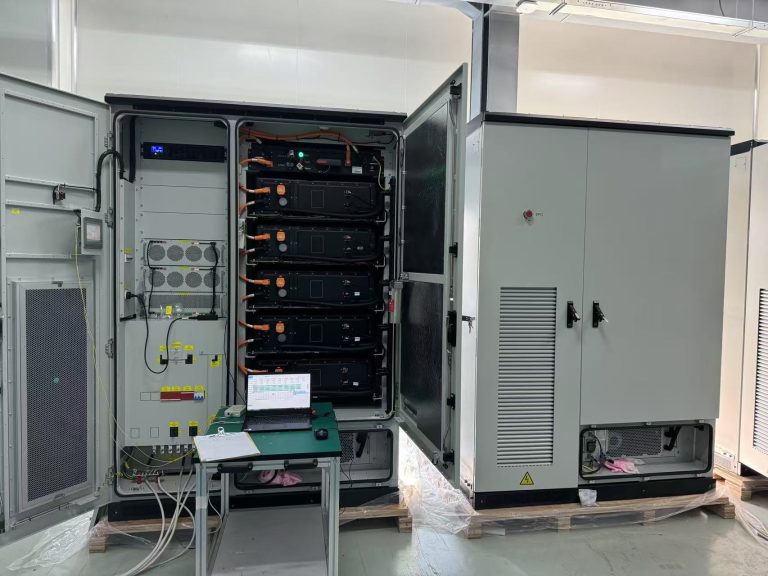
For batteries, vent rooms. Keep away from heat. Follow charge rules to skip overloads.
Step-by-Step Voltage Check
- Shut off inverters.
- Use multimeter on DC setting.
- Probe wires—zero means safe.
Short? Call pros.
Fire Prevention Strategies
Follow codes. Space panels for air flow. Use fire-rated mounts.
Wire tidy. No pinches or rubs. Check joints tight.
- Install arc-fault breakers.
- Clear debris under arrays.
- Post signs for fire crews.
Regulations vary by spot. In cities, roofs need access lanes. Train on extinguishers—CO2 for electrical fires.
For storage, pick units with built-in cooling. Monitor temps.
Grounding Protection Methods
Ground everything. Frames, racks, omvormers. Use copper wire thick enough.
Bond metal parts. Stops stray currents.
- Bury rods deep.
- Test resistance low.
- Lightning arrestors on tall setups.
Wet areas? Extra insulation. Pros inspect yearly.
Grounding Checklist
| Item | Check | Waarom |
| Frame bonds | Tight connections | Prevents shocks |
| Earth rods | In soil | Diverts surges |
| Wire size | Matches load | Handles current |
| Tests | Annual | Spots wear |
This table keeps it straight.
Best Practices for Safe Solar Setup
Go beyond basics. Hire certified crews. They know codes inside out.
Plan ahead. Site surveys spot risks like weak roofs.
PPE always: Helmets, gloves, eye shields.
Train regular. Drills for emergencies.
Inspect gear pre-job. Faulty tools cause havoc.
For businesses, safety boosts rep. Clients pick safe firms. It shows care.
Homeowners, safe install means long-term wins. No fixes later.
Tie in storage safe. Place batteries cool and dry. Wire separate from mains.
About HITEK ENERGY CO.,LTD
HITEK ENERGY CO., LTD stands out as a key player in energy storage. They supply systems for homes and businesses. Think residential setups that cut bills or commercial ones for steady power. Founded in 2016, they focus on reliable prismatic lithium batteries and full systems. With global reach and patents in tech, they deliver safe, high-performance options. Their automated lines ensure quality. For solar installs, their solutions fit seamless, with safety in mind from design to use.
Conclusie
Solar installation opens doors to green power. But skip safety, and hazards bite. From DC high voltage risks to fire prevention and grounding protection, avoidance methods keep things smooth. Follow tips here, and you cut dangers sharp. It builds strong systems that last. Ready to go solar safe? Reach out for expert help.
Veelgestelde vragen
What are the main safety hazards in solar installation?
Safety hazards in solar installation include falls from heights, electrical shocks from DC high voltage, fire risks from arc faults, and poor grounding leading to surges. Spot them early to stay safe.
How can I use avoidance methods for DC high voltage risks during solar installation?
Avoidance methods for DC high voltage risks involve using insulated tools, installing rapid shutdown systems, and always testing wires before touch. Wear proper PPE like rubber gloves too.
Why is grounding protection key in solar installation, and how to do it right?
Grounding protection stops shocks and surges in solar installation. Bond all metal parts, use thick copper wires, and test yearly. It diverts bad currents safe.
What fire prevention regulations should I follow in solar installation?
Fire prevention regulations in solar installation call for arc-fault breakers, clear roof access, and tidy wiring. Check local codes and use fire-rated gear to cut risks.
Are there special avoidance methods for battery storage in solar installation?
Yes, avoidance methods for battery storage include venting areas, monitoring heat to prevent thermal runaway, and placing units away from flames. Follow charge guidelines strict.
HITEK ENERGIE’S TOP-SELLING SOLAR POWER SYSTEMS
- Gemakkelijke installatie Goede prestaties 5kw 10kw 15kw 20kw Offgrid Zonnestelsel 220V 380V 30kw Hybrid Zonnestelsel Huisgebruik Complete Kit
Model: HT10KW-HY
- Hitek Energy Storage System 500kw 1000kw 1MW 5MW Hybrid Solar System Offgrid Solar System for Factory Solar Panel System 500kwh 1mwh 2mwh 10mwh
Model: HT500KW-HY
- Hitek Gecontaineriseerd Zonnestelsel 100kw 250kw 500kw Hybrid Zonnestelsel met 500kwh 1mwh Lithiumbatterij 500kw 1MW Zonnebatterij Energieopslagsysteemprijs
Model: HT500KW-HY
- Zuid-Afrika Offgrid Hybrid Zonne-System150kw 120kw 100kw 50kw 30kw 50kwh 100kwh Zonne-Energiesysteem met LiFePO4 Batterij Backup
Model: HT50KW-HY
- Industrial Use 250kw 500kwh 800kwh Solar Energy Storage System 1mwh 2mwh 3mwh Container Lithium Battery with LiFePO4 for off-Grid Solar Power System
Model: HT20FT-500kW/1MWh-EC