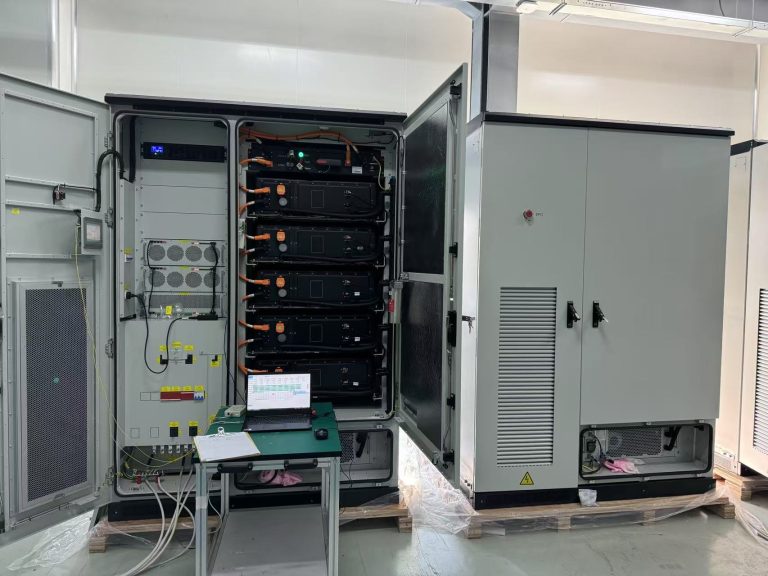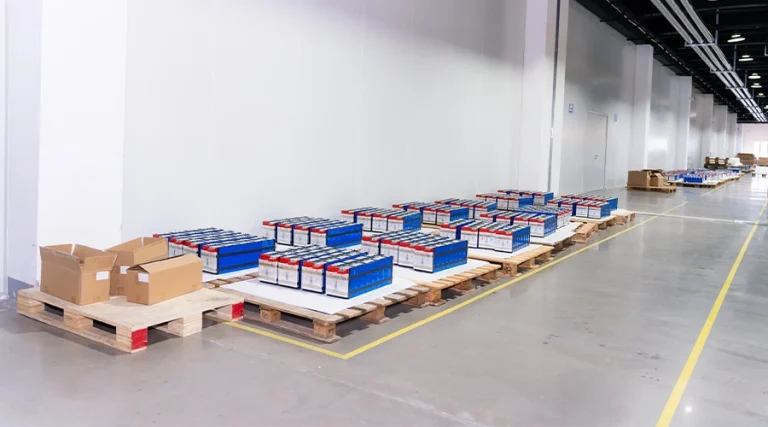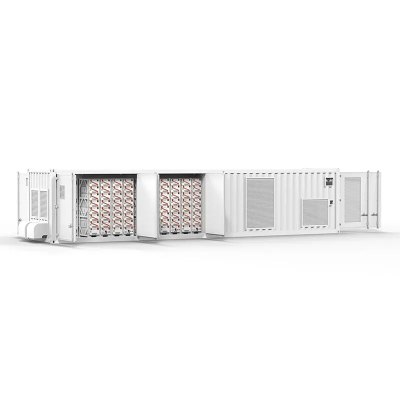
BESS HVAC and liquid cooling are two different ways to keep battery cells inside their permitted temperature range. HVAC is usually simpler to service and can suit moderate power density. Liquid cooling gives tighter temperature control and shorter heat paths, which can matter in high-power or tightly packed systems. The right choice depends on cell heat, duty cycle, ambient conditions, maintenance access and the cost of auxiliary power.
HVAC and Liquid Cooling at a Glance
|
Фактор |
HVAC air cooling |
Liquid cooling |
|---|---|---|
|
Heat transfer |
Air moves through racks or a container |
Coolant carries heat through plates or pipes |
|
Temperature uniformity |
Depends on airflow paths and rack layout |
Usually tighter when flow is balanced |
|
Service work |
Filters, fans, ducts and refrigerant circuit |
Pumps, valves, heat exchanger and coolant circuit |
|
Parasitic load |
Fans and compressor load vary with ambient |
Pump and chiller load vary with heat rejection |
|
Best fit |
Moderate density and accessible service areas |
High power, compact layouts or demanding duty cycles |
Use this comparison as a first screen before checking the detailed heat-load and service conditions below.
Start With Heat and Duty Cycle
Cooling selection should start with the heat that must be removed, not with a preference for a particular enclosure. A battery rack running a short low-power backup event produces a different heat profile from a rack cycling every afternoon for peak shaving. Charge and discharge power, C-rate, rest periods, cell efficiency and ambient temperature all change the cooling load.
For a practical review, map the worst operating hour: maximum AC power, expected DC current, outdoor temperature, solar gain, state-of-charge range and the number of racks operating at once. A short 30-minute peak can create a sharp heat pulse. A four-hour dispatch may create less peak heat but more total heat over the run.
The duty profile should be checked alongside the project’s battery storage duration calculation so the thermal design is tied to the same load data used for energy sizing.
How HVAC Cooling Works in a BESS
HVAC systems move conditioned air through the battery space and reject heat through a refrigeration or heat-pump circuit. The design must prevent short-circuit airflow, dead zones and hot racks near the return path. Rack position, cable openings, filters and fan control can matter as much as the nameplate cooling capacity.
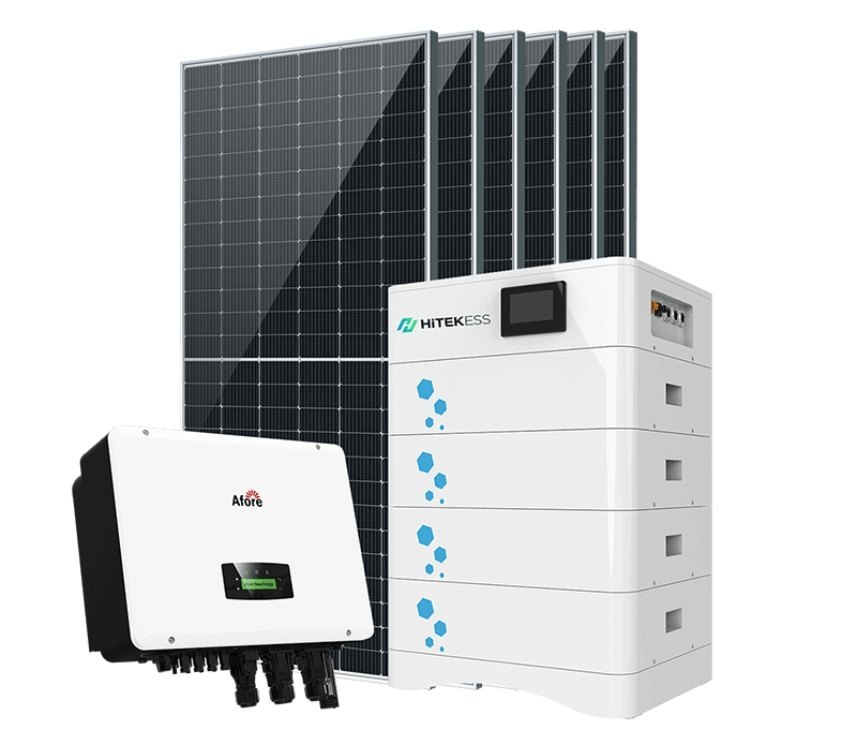
HVAC is often attractive when technicians already know the equipment and spare parts are available locally. It also avoids liquid lines inside the battery rack. The tradeoff is that air has a lower heat capacity than a liquid, so high heat flux can require more airflow, larger fans or more aggressive temperature control.
How Liquid Cooling Works in a BESS
Liquid-cooled racks use a coolant loop to move heat from cells or modules to a heat exchanger, chiller or dry cooler. Because the heat path is close to the cells, the system can hold a more even temperature across a dense rack when flow distribution is designed correctly. Pump failure, coolant quality and leak detection become part of the maintenance plan.
Liquid cooling is not automatically better. A poorly balanced loop can leave one branch warmer than another. The specification should state flow monitoring, pressure alarms, coolant type, service intervals, leak response and the safe state after pump or chiller failure.
Temperature Uniformity and Battery Life
Cell temperature spread affects how the BMS manages current and SOC. If one part of a rack runs warmer, the system may reduce power to protect the hottest cells even when average temperature looks acceptable. That derating appears as lost power during the exact operating window when the owner expects the BESS to respond.
|
Design question |
Why it matters |
Evidence to request |
|---|---|---|
|
Maximum cell temperature spread |
Shows whether hot spots are controlled |
Rack trend at stated power and ambient |
|
Control response |
Prevents a late temperature alarm |
Setpoint, ramp and alarm records |
|
Failure response |
Defines safe operation after fan, pump or chiller loss |
Cause-and-effect test |
|
Service access |
Determines downtime and technician risk |
Maintenance clearance and procedure |
Which Architecture Fits a Project?
Choose HVAC when the project has moderate rack density, familiar service capability, sufficient container space and a climate where compressor and fan energy can be managed. Choose liquid cooling when power density, long dispatch periods or tight temperature limits make air paths difficult to control. A mixed design can also work when different rack groups have different heat loads.
• Compare annual auxiliary energy, not only initial equipment price.
• Check noise limits for fans, compressors, pumps and dry coolers.
• Allow room for filters, valves, pumps, heat exchangers and safe access.
• Review winter operation, freeze protection and low-temperature startup.
• Tie cooling alarms to PCS derating and EMS dispatch limits.
Auxiliary Energy and Round Trip Efficiency
Cooling equipment consumes energy that may be included or excluded from a performance guarantee. A system measured at the PCS terminals can look more efficient than the same system measured at the point of connection if HVAC, pumps, controls and transformers are outside the boundary. The contract should state the measurement point and the operating condition for the test.
The measurement boundary should match the method used for BESS round trip efficiency testing so buyers can compare cooling options on delivered energy rather than a component-only figure.
Inspection and Commissioning Checks
Commissioning should test normal cooling, high-temperature response, low-temperature startup, sensor failure, fan or pump loss, loss of auxiliary power and restart logic. Trend data should show cell temperatures, inlet and outlet temperatures, fan or pump speed, compressor or chiller state, alarms and PCS power limits on one timeline.
• Verify temperature sensors against a calibrated reference.
• Confirm airflow direction and blocked-filter alarms.
• Check coolant pressure, flow, leak detection and expansion volume.
• Test the safe state after a cooling component trip.
• Record recovery time before the system resumes charge or discharge.
Common Cooling Design Mistakes
• Sizing from average ambient temperature instead of the design extreme.
• Ignoring auxiliary energy in the efficiency boundary.
• Placing sensors where they miss the hottest rack or return air.
• Testing normal operation but not fan, pump or chiller failure.
• Leaving filters, valves or coolant service points inaccessible.
Про HITEK ENERGY
Компанія HITEK ENERGY CO., LTD. is an energy storage products manufacturer serving projects that require dependable battery systems and coordinated power conversion. Its portfolio and project support cover battery energy storage applications across commercial, industrial and utility settings, with attention to system configuration, thermal management, safety controls and integration requirements. This manufacturer perspective helps project teams connect product selection with operating conditions, service access and measurable performance rather than treating cooling as an isolated component choice.
Висновок
BESS HVAC versus liquid cooling is a project decision, not a universal technology ranking. HVAC can be a practical choice for moderate density and familiar service. Liquid cooling can provide tighter control for high-power or compact systems, but it adds pumps, coolant and leak-response tasks. The final decision should be based on the heat profile, temperature spread, auxiliary energy, maintenance plan and tested failure response.
Часто задані питання
These questions address the practical choices buyers and project teams commonly make after reviewing the design factors above.
Is liquid cooling always better than HVAC for BESS?
No. Liquid cooling can control dense, high-power racks well, while HVAC may be simpler and easier to service for moderate heat loads. Project duty cycle and site conditions decide.
Does cooling affect BESS round trip efficiency?
Yes. Fans, compressors, pumps and chillers consume auxiliary energy. The effect depends on the test boundary and the ambient conditions during the measurement.
What should a BESS cooling commissioning test include?
Test normal operation, sensor accuracy, high and low temperature response, loss of a fan or pump, auxiliary power loss, alarms, derating and recovery logic.
Can HVAC and liquid cooling be used together?
Yes. A project may use different thermal architectures for different rack groups or combine rack cooling with container-level air conditioning.
How does cooling support battery life?
Keeping cells within the permitted temperature range and reducing temperature differences helps the BMS avoid unnecessary derating and supports more consistent operating conditions.
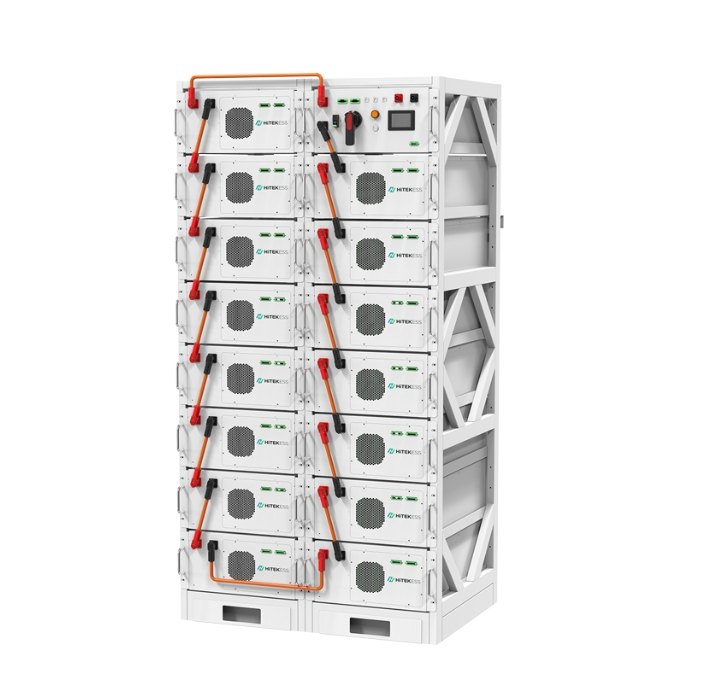
HITEKESS BESS HVAC ENERGY STORAGE SYSTEMS
1. Hitek 3 Phase off Grid Hybrid Complete Set Solar Photovoltaic System 150kw 100kw 250 Kw Solar Power Storage System for Farm
Model: HT250KW-HY
2. Hitek Factory Direct Sale Industrial Commercial Solar Power System LiFePO4 250kwh 300kwh 500kwh 250kw 200kw Solar Panels System Inverter Complete Set for Farm
Model: HT250KW-HY
3. Complete Set House Solar Generator 100 Kw 100kw 30kVA Home Solar System Cost 3000W Solar Battery Storage System Hybrid for Farm
Модель: HT100KW-HY
4. Mali Hot Sale 100 Kw 150kw 300kw 250kw 500kw Hitek Energy Storage System Lithium Battery 1mwh Industrial Solar off Grid
Модель: HT500KW-HY
5. Hitekess Solar System 100kw 100kwh 200kwh 50kw 150kw 250kw 350kw 500kw 800kw 1MW Solar Energy Storage System with LiFePO4 Battery
Модель: HT500KW-HY
6. Hitek Ess Battery Storage 100kw 150kVA 250 Kw 380V 3 Phase Power Supply off Grid Hybrid Complete Solar Energy System Solar Kit 250kw
Model: HT250KW-HY