Many remote communities in Africa share the same energy problem. Power needs keep rising. Yet building the usual power grid often costs too much and takes too long. Distant places, rough land, and weak roads make normal power lines hard to set up. Stable electricity stays out of reach for many villages.
Energy storage systems now offer a clear way forward. They join renewable power with solid battery technology. Solar panels and batteries work as a team. Remote villages, small shops, clinics, and work sites can get cleaner and steadier power. They no longer have to lean only on the big power network. Battery storage is gaining notice as a key tool for renewable energy growth and off-grid power in Africa.
For places that want energy independence Africa, solar power, battery energy storage systems, and smart controls open a flexible road to better energy security.
Energy Challenges in Remote Areas of Africa
Remote spots often face shaky power access. The main grid simply does not reach far enough. Stretching long power lines to small scattered villages needs huge money and years of building. So many places still run on diesel generators or tiny local setups.
The biggest energy headaches look like this:
- Limited access to reliable electricity supply
- High fuel transportation and maintenance costs
- Frequent power interruptions
- Difficulty supporting economic development with unstable power
In the countryside, power is needed for more than homes. Schools, medical centers, farms, and small shops all need it. Without steady electricity, basic services and local work cannot run well.
A smart off-grid energy system can fix these issues. It builds a local power net from renewable sources. Solar energy storage systems collect power in the day. They save it for times when the sun is gone. This makes renewable energy much more dependable.
What Is an Energy Storage System?
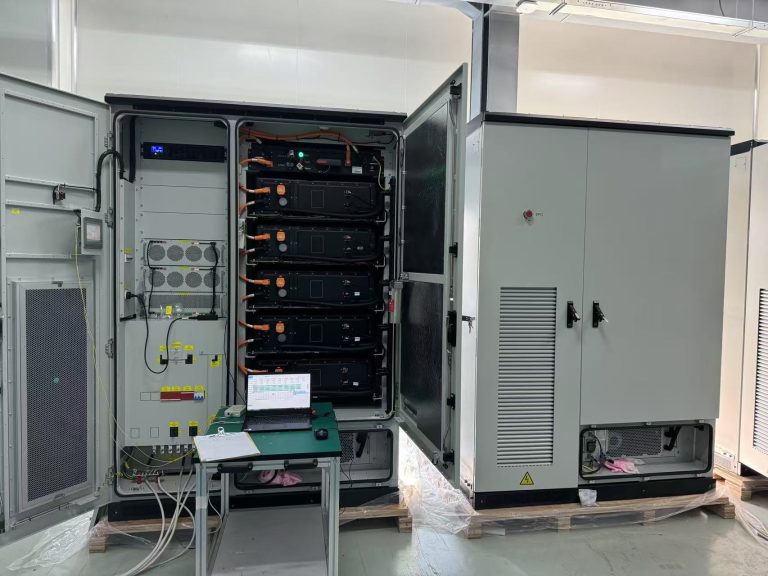
An energy storage system holds electricity made from renewable or regular sources. It gives the power out later when demand goes up. The most common choice today is a battery energy storage system (BESS). It uses modern batteries, power conversion gear, and smart control units.
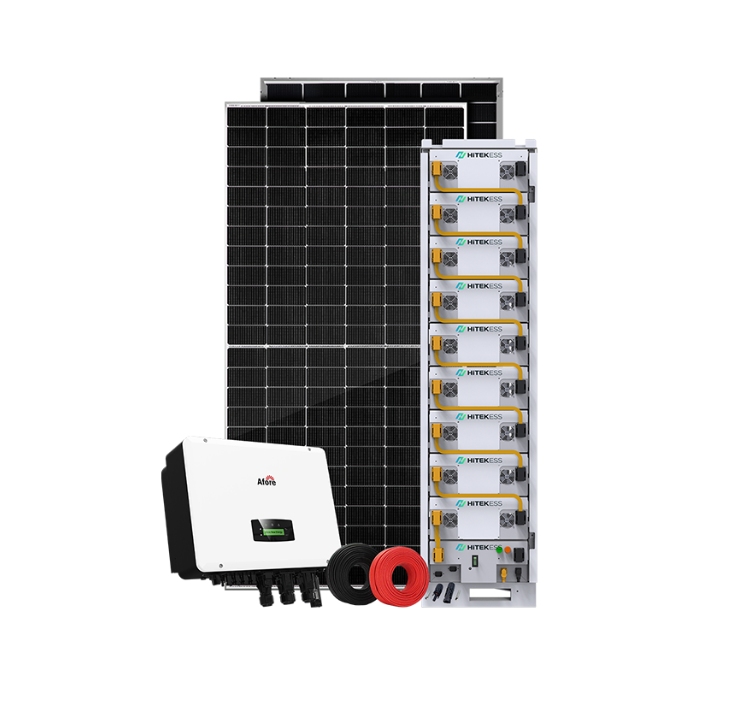
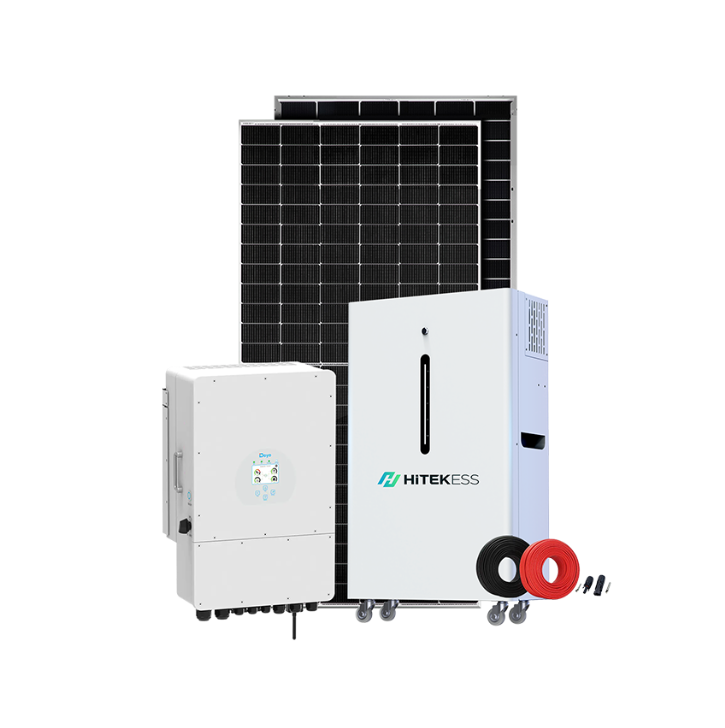
A typical solar storage system has these parts:
| Component | Function |
| Solar panels | Generate clean electricity from sunlight |
| Battery system | Stores excess energy for later use |
| Inverter | Converts electricity between different forms |
| Energy management system | Controls energy flow and improves efficiency |
For distant sites, battery storage solutions for rural communities are built to give steady power. They also cut the need for fuel-based electricity.
Lithium battery technology, especially lithium iron phosphate (LiFePO4) batteries, is widely used now. These batteries last many cycles. They stay safe and run in a stable way.
How Battery Energy Storage Systems Create Energy Independence in Africa
Energy independence does not mean every place must cut off from the grid completely. It means communities and businesses can make, store, and run their own power with more control.
Battery energy storage systems help reach this goal in several clear ways.
Providing Reliable 24/7 Electricity
Solar power changes with the weather. Panels make electricity while the sun shines. But people still need power at night.
A solar battery storage system solves this. It saves extra solar power during the day. Then it supplies electricity when the sun drops.
This gives more reliable power to:
- Rural households
- Schools and training centers
- Healthcare facilities
- Agricultural operations
- Local businesses
Steady electricity also lifts daily life. It supports lights, fridges, phones, and online tools.
Supporting Solar Plus Storage Microgrid Development
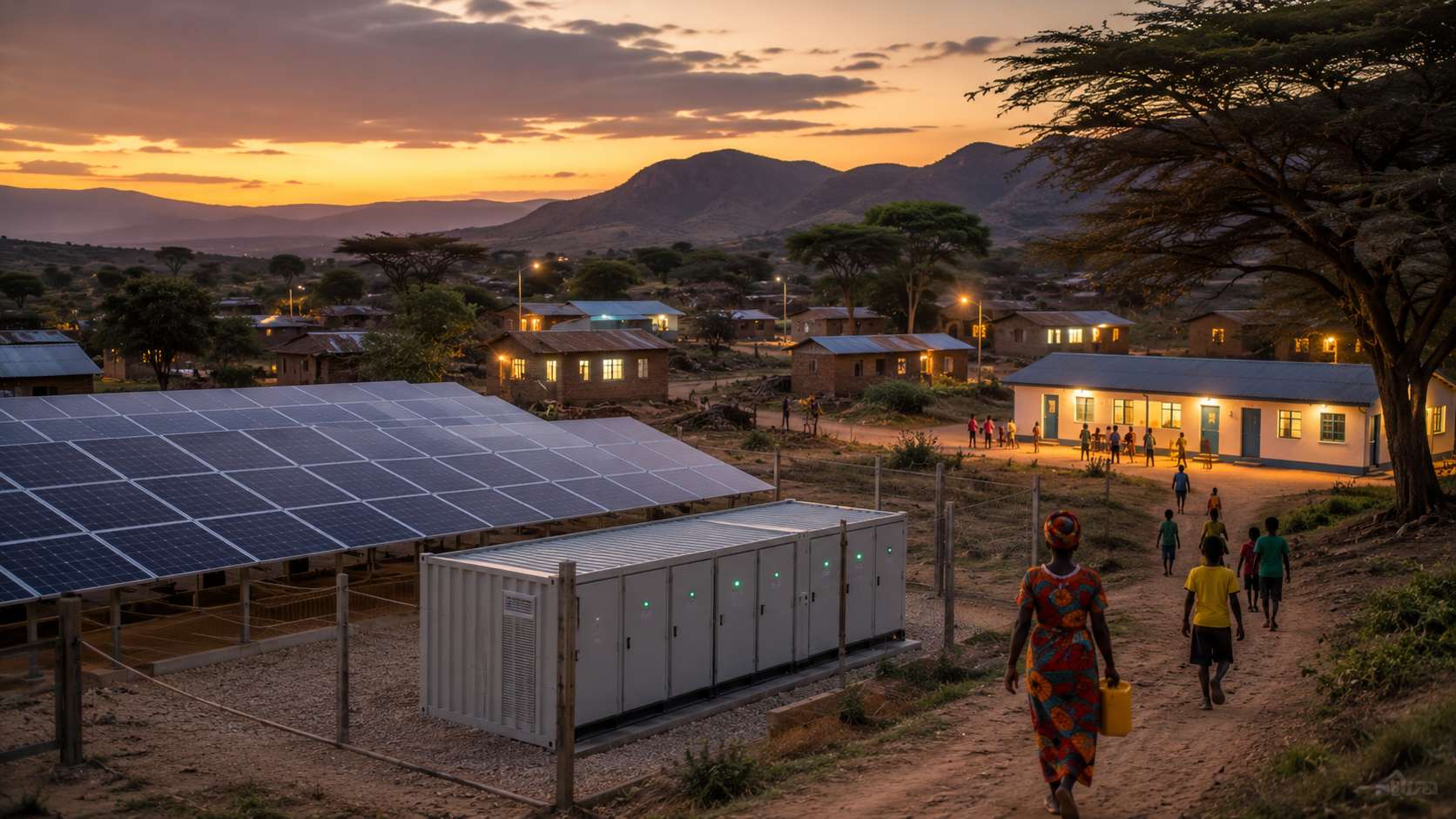
One strong answer for remote areas is a solar plus storage microgrid Africa project.
A microgrid brings together:
- Solar power generation
- Battery energy storage
- Energy management technology
- Local electricity distribution
Unlike big grid expansion, microgrids can sit close to the people who use the power. They fit villages and far-off spots where joining large networks costs too much.
Battery storage keeps supply and demand in balance. Renewable energy can still give steady power even on cloudy days. Renewable mini-grids with battery storage are now seen as a key path to bring electricity to remote regions.
Reducing Dependence on Diesel Generators
Diesel generators have long filled the gap in places with weak grid links. But hauling fuel to remote spots grows costly.
Energy storage systems cut diesel use by:
- Storing renewable electricity
- Providing backup power during outages
- Reducing fuel usage and maintenance requirements
In many projects, swapping some diesel power for renewable energy storage lowers running costs. It also cuts carbon output.
Supporting Local Economic Growth
Electricity access shapes economic growth in a direct way.
Here are clear examples:
Agriculture
- Solar-powered irrigation systems
- Cold storage facilities
- Food processing equipment
Healthcare
- Medical equipment operation
- Vaccine refrigeration
- Emergency backup power
Education
- Computer classrooms
- Internet access
- Night-time study lighting
With reliable electricity, rural communities can start new businesses and improve basic services.
Applications of Energy Storage Systems in Remote African Projects
Different uses need different energy storage setups. A flexible design matches the battery size to local needs.
Rural Villages and Communities
For villages with no steady grid, home and community-scale energy storage systems can give solid power for everyday tasks.
Typical uses include:
- Home electricity supply
- Community centers
- Public lighting
- Water pumping systems
These systems back rural electrification. They let communities use power made right nearby from renewable sources.
Telecom Base Stations
Phone and data networks often sit in remote areas. Grid power is missing or weak there.
A telecom energy storage system paired with solar power can keep communication towers running non-stop. It lowers fuel bills and makes the network more reliable.
Commercial and Industrial Projects
Remote factories, mining sites, and commercial buildings need stronger and steadier power.
Industrial energy storage systems can help:
- Manage peak electricity demand
- Provide backup power
- Improve renewable energy usage
- Support independent operation
For bigger jobs, containerized battery storage systems give room to grow. They are also easier to set up.
Why Lithium Battery Storage Systems Are Suitable for Africa
Many African regions face high heat, dust, and tough working conditions. Energy storage gear must stay strong and safe.
Modern lithium battery storage systems bring several benefits:
- Long service life
- High energy density
- Lower maintenance requirements
- Better charging efficiency
- Flexible system expansion
A modular energy storage system can grow as power needs rise. This fits developing communities and businesses well.
Choosing the Right Energy Storage Solution for African Projects
Picking an energy storage solution needs careful thought about local conditions.
Key points to check:
| Consideration | Importance |
| Energy demand | Determines required battery capacity |
| Climate conditions | Ensures stable operation in local environments |
| System scalability | Allows future expansion |
| Monitoring capability | Supports remote management |
Project teams should look at daily power use, local renewable resources, the install site, and future growth plans. Only then should they choose a battery storage system.
A custom design delivers better results and longer value.
About HITEK ENERGY CO.,LTD
HITEK ENERGY CO.,LTD is an energy storage products manufacturer. It focuses on lithium battery systems, modules, and full energy storage solutions. The company offers products for home storage, commercial and industrial use, backup power, and renewable energy projects.
With years of work in energy storage manufacturing and system building, HITEK ENERGY aims to deliver safe, reliable, and efficient battery storage solutions. Its product range covers energy storage systems, containerized BESS, lithium batteries, inverters, and solar energy solutions made for many different uses.
Through custom solar storage solutions, expert technical support, and flexible designs, HITEK ENERGY helps partners build solid renewable energy projects for homes, businesses, and remote communities.
Conclusion
Energy storage systems are turning into a vital technology. They help remote areas in Africa gain more energy independence. By joining renewable power with advanced battery storage, communities can get cleaner, more reliable, and more affordable electricity.
From rural villages and clinics to commercial sites and industrial work, battery energy storage systems offer a practical way to improve power access and support lasting growth.
As renewable energy use keeps rising, reliable energy storage solutions will take on an even bigger role. They will help build a stronger and more independent energy future for Africa.
FAQs
Why are energy storage systems important for remote areas in Africa?
Energy storage systems help remote areas save renewable electricity. They give steady power when solar generation stops. They also cut reliance on diesel generators and support reliable off-grid energy systems.
How does a solar battery storage system work?
A solar battery storage system gathers extra electricity made by solar panels in the day. It stores that power in batteries. The saved energy can then be used at night or during outages.
Can battery energy storage systems support rural communities?
Yes. Battery energy storage systems can supply electricity for homes, schools, clinics, farms, and small shops in places without reliable grid links.
What type of battery is commonly used in energy storage solutions?
Lithium iron phosphate (LiFePO4) batteries are widely used. They offer strong safety, long cycle life, and steady performance.
How can businesses select the right energy storage solution for Africa projects?
Businesses should check energy demand, the install site, renewable energy supply, system size, and future growth needs before choosing an energy storage solution.
HITEKESS MOST FAVORITE ENERGY STORAGE SYSTEMS
- Easy Installation Good Performance 5kw 10kw 15kw 20kw Offgrid Solar System 220V 380V 30kw Hybrid Solar System Home Use Complete Kit
Model: HT10KW-HY
- High Efficiency 15kw 20kw 30kw on off Grid 30kw Solar System Home Power with Lithium Ion Batteries
Model: HT10KW-HY
- Complete off Grid Solar System 20kw Solar System 15kw 30kw Solar System off Grid Solar Power System
Model: HT20KW-HY
- Complete off Grid Solar Power System 30kw 20kw Solar Battery Storage Systems 10kwh Ht Solar 10kw Price for The Whole House
Model: HT30KW-HY
- Hitek Energy Turnkey Complete Set 380V 400VAC off Grid Solar Panel Backup System 30kw Hybrid 40kVA 30 Kw Rooftop Home Solar Power System 30000W 30kVA 20 Kw
Model: HT30KW-HY