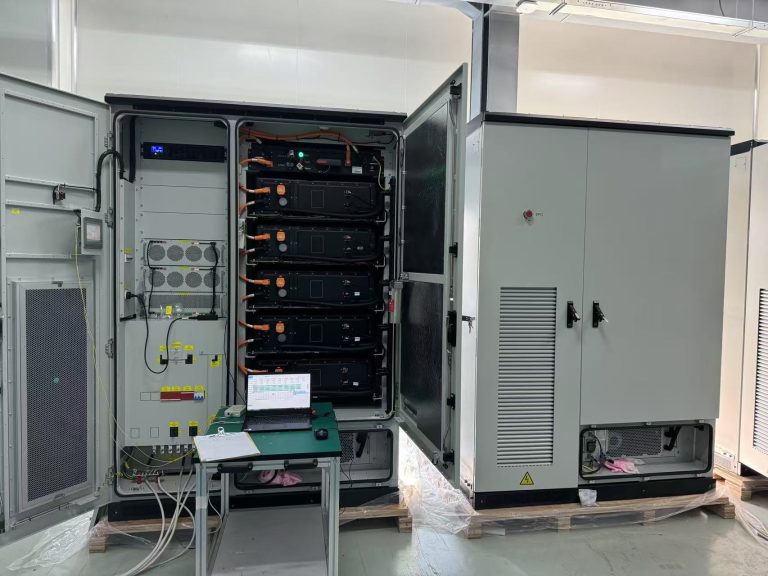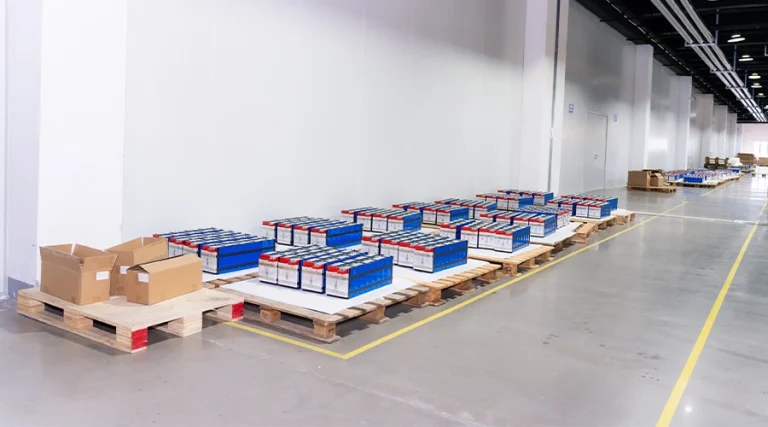
The typical headaches faced by energy storage projects can cause quite some distress to their commercial and industrial users: Long implementation times, many different vendors involved, additional costs incurred during on-site assembly. A revolutionary approach is currently gaining acceptance in the form of the fully integrated Containerized Energy Storage Systems. Instead of implementing an inverter, a battery and a storage management system individually and subsequently connecting them, the existing units can be directly hooked up to the electricity, air and data supply as they are delivered. These ‘containerized power systems’ have already been factorytested and are thus ready for immediate use on-site.
This article compares the traditional component-by-component approach with modern all-in-one containerized BESS. You’ll see why many EPC contractors and project developers are moving toward plug-and-play systems that can cut deployment time by up to 40%.
The Traditional Way: Component Sourcing and On-Site Integration
Under the old model, several teams source the following items: batteries, power conversion systems (PCS), energy management software, cooling, fire suppression, and large transformers. The items are delivered to the construction site of individual contractors that then assemble them into a system.
This process usually takes months. You coordinate civil works, electrical wiring, HVAC installation, and extensive commissioning. Delays from one supplier can push back the whole project. A mid-sized 500kW project might easily stretch 4–6 months from delivery to full operation. Weather, labor shortages, and permitting issues often make it even longer.
A project developer from the Midwest shared a story about the last traditional build he managed, which experienced three weeks of delay caused by the BMS not communicating with the inverters on site correctly. Integration problems like these often occur by using different components from different manufacturers.
The Containerized All-in-One Approach
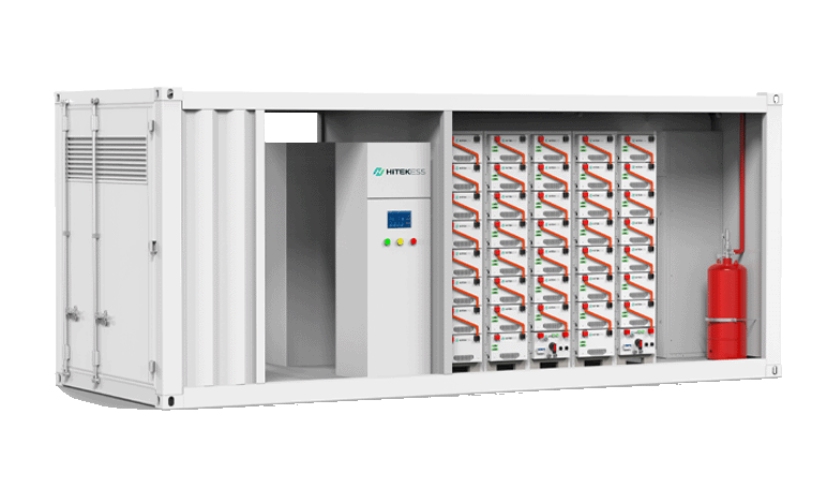
Modern Containerized Energy Storage System units arrive as complete, factory-integrated solutions. The 20ft containerized ESS, such as the HT20FT-500KW/1075KWH, comes pre-assembled with battery modules, hybrid inverters, BMS, EMS, thermal management, and fire protection already wired and tested.
The container is positioned using a crane. Then it is connected to the grid or the solar array. After that the system is being commissioned. In general the whole project is finished from the delivery to the operation in 2-4 weeks.
Side-by-Side Comparison
| Aspect | Traditional Component Build | Containerized All-in-One System |
|---|---|---|
| Deployment Time | 4–8 months | 2–6 weeks |
| Number of Contractors | 5–8 different teams | Usually 1–2 |
| On-site Assembly Work | Extensive wiring and integration | Minimal (mainly external connections) |
| Testing & Commissioning | Done mostly on site | Mostly factory pre-tested |
| Risk of Integration Issues | High | Very low |
| Upfront Cost | Sometimes lower | Higher but predictable |
| Total Project Cost | Often higher due to delays | More predictable and usually lower |
By moving the complex work to the controlled environment of a factory, most of the time savings are gained by avoiding the kinds of delays that can occur due to weather, as well as the typical coordination challenges.
Real-World Time and Cost Impact
Consider a typical 500kW / 1MWh commercial project.
Traditional Route
- Procurement and coordination: 8–10 weeks
- Civil and electrical works: 10–12 weeks
- Equipment installation and integration: 6–8 weeks
- Testing and commissioning: 4–6 weeks Total: Roughly 28–36 weeks
Containerized Route
- Site preparation: 2–3 weeks
- Container delivery and positioning: 1 week
- External connections and final commissioning: 1–2 weeks Total: 4–6 weeks
Those savings translate to owners generating revenue more quickly and contractors spending less to deliver a job. Operators report beginning to earn money from energy arbitrage or peak shaving operations weeks earlier than they would have from a more typical construction project.
Technical Advantages of Pre-Integrated Systems
Factory integration isn’t just about speed. It also improves performance and safety:
- Better Thermal Management — Cooling systems are optimized and tested with the actual battery layout.
- Seamless Communication — BMS, PCS, and EMS are already talking to each other before leaving the factory.
- Proven Safety Features — Fire suppression, smoke detection, and emergency shutdown systems get fully validated together.
- Simplified Maintenance — Standardized layouts make future service work faster.
The HT20FT-500KW/1075KWH unit, for example, packs a 500kW hybrid inverter with approximately 1075kWh of LFP battery capacity into a standard 20ft container. It arrives pre-wired, pre-tested, and ready for parallel operation if the project grows later.
Who Benefits Most from Containerized BESS
- EPC Contractors — Shorter project cycles mean they can take on more work with the same team.
- Project Developers — Faster ROI and reduced risk of timeline overruns.
- End Users — Quicker access to bill savings, backup power, and grid services.
- Distributors — Easier to sell and support standardized solutions.
One of the solar integrators in Texas has shifted the vast majority of their C&I work to containerized systems. They are completing 3 projects in the time it used to take to complete 2, and their customer satisfaction scores are up because the customer starts to receive value from the system much sooner.
Key Considerations When Evaluating Containerized Options
Not all containerized systems are equal. Look for:
- Proven factory testing records
- Strong integration between battery, inverter, and software
- Flexible configuration options
- Good local service support
- Clear warranty terms on the full system
HITEK ENERGY CO.,LTD as an Energy Storage Products Manufacturer
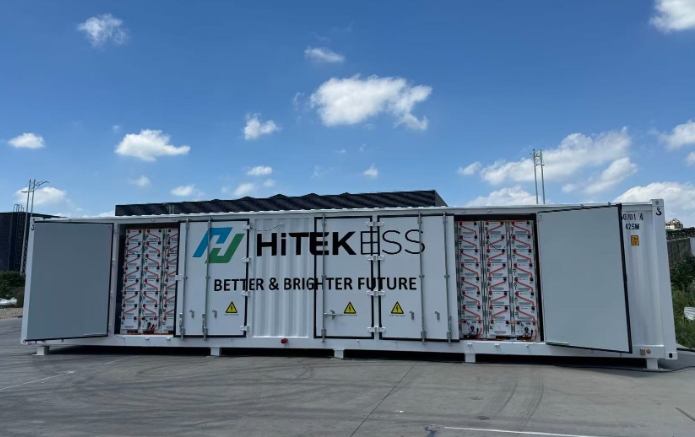
HITEK ENERGY CO.,LTD is a leading energy storage products maker. Their products mainly include LiFePO4 battery systems and other kinds of energy storage solutions for homes and commercial uses. HITEK ENERGY products are very complete and can be put to practical use in real-life situations.
HITEK has dedicated R&D centers around the world and tight quality control on the automated production lines. The containerized solutions developed by HITEKESS after years of system integration experience, such as the 20ft 500kW/1075kWh solution, are preferred by Distributors and project developers all over the world. They value HITEKESS’ quality, technical support, and the ability to deliver a fully integrated and plug-and-play BESS in a container, which eases the installation and reduces the risks for the project.
Conclusion
The move from scattered component sourcing to fully integrated Containerized Energy Storage System solutions represents a genuine step forward for the industry. By shifting most of the complex work into the factory, these all-in-one systems dramatically cut deployment time, lower risk, and help projects start generating returns much faster.
For EPCs, developers, and distributors working in the C&I space, the numbers are hard to ignore. When a quality containerized BESS can be up and running in weeks instead of months, the financial and operational advantages become clear. As the market continues to mature, plug-and-play containerized solutions are likely to become the default choice for many mid-sized commercial and industrial storage projects.
FAQs
How much time can a Containerized Energy Storage System really save compared to traditional builds?
Many projects see deployment time reduced by 40% or more — often going from 5–6 months down to 4–6 weeks.
What does “plug-and-play” actually mean for a containerized BESS?
It means the system arrives pre-wired, pre-tested, and fully integrated. You mainly need to handle external grid connections and final site commissioning.
Is the HT20FT-500KW/1075KWH battery suitable for most commercial projects?
Yes. The HT20FT-500KW/1075KWH has 500kW power and 1075kWh capacity that can fit most of the mid-sized C&I projects. More units can be in parallel to meet larger demands.
Are there any additional costs associated with a containerized system?
While the initial cost of a containerized system is typically greater than buying out individual components, the overall cost of a project can actually decrease significantly due to reduced labor, reduced time to complete a project, and decreased integration time and associated costs.
How can I tell if a Containerized Energy Storage System is right for my project?
Consider the 3 key factors that govern the choice of energy storage for your project: time, labor and cost. If speed and simplicity is key then containerized solutions win hands down.
HITEKESS Containerized Energy Storage Systems
1. MW off Grid Ess All in One Commercial Lithium Battery Bess Container System AC/DC 250kwh, 500kwh, 1mwh, 2mwh Solar Energy Storage Battery Cabinet Outdoor IP54
Model: HT-500/2000-EC
2. Industrial Use 250kw 500kwh 800kwh Solar Energy Storage System 1mwh 2mwh 3mwh Container Lithium Battery with LiFePO4 for off-Grid Solar Power System
Model: HT20FT-500kW/1MWh-EC
3. Hitek off Grid 40FT 20FT 500kwh Ess Container 150kw 200kw 250kw 500kw Industrial Hybrid Battery Energy Storage System with Battery 250kwh 500kwh 1mwh
Model: HT-500/1000-EC
4. All in One Bess 20FT Container Price 150kw 180kw 200kw 250kw 500kw off Grid Hybrid Solar Energy System Battery Storage Container for Industry
Model: HT-500/1000-EC
5. Hitek Energy Container House 40FT 20FT 500kwh 1mwh 2mwh 5mwh Bess Energy Storage System Lithium Battery 200kw 300kw 500kw 1MW Withfire Fighting Equipment
Model: HT-500/1000-EC