A containerized BESS can look simple from the outside: one steel box, one power rating, one capacity figure, one delivery date. In real projects, that is rarely the full story. A battery energy storage system only performs well when the application, usable energy, thermal design, controls, safety setup, and service scope all match the site.
That is why experienced buyers do not start with price alone. They start with the questions that decide whether the system will actually work in a factory, a solar-plus-storage site, a microgrid, a utility support project, or a backup power application. A poor fit can lead to soft underperformance: lower usable capacity, more auxiliary losses, frequent clipping, unstable operation in heat, or long delays during commissioning. A good fit usually looks less dramatic. It runs quietly, dispatches when needed, and keeps delivering year after year.
Before comparing suppliers, it helps to look at the project the way an EPC team or plant operator would. The point is not to buy the biggest containerized battery energy storage system. The point is to buy the right one.
Why a buyer checklist matters before procurement
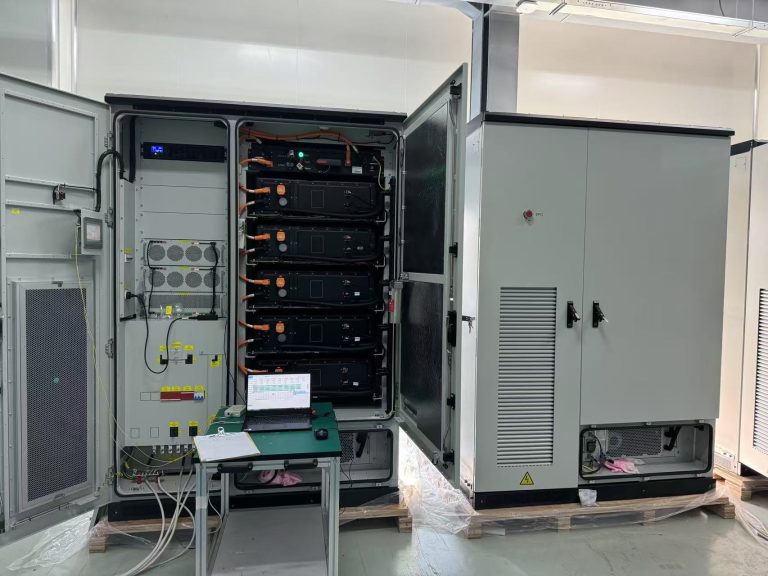
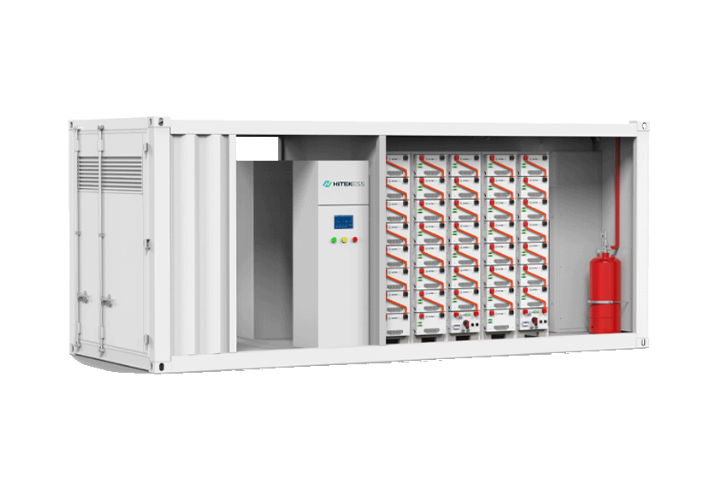
A containerized ESS is not just a battery in a box. It is a working system made up of batteries, power conversion, battery management, energy management, cooling, fire protection, communications, and site interfaces. If one part is poorly matched, the whole project feels the effect.
The real cost of missing one key detail
A buyer may sign off on a strong headline specification and still run into trouble later. A common example is usable energy. On paper, a system may look ideal for peak shaving. In practice, auxiliary loads, depth-of-discharge limits, ambient heat, and inverter derating can reduce what is available during the hours that matter most.
Another common issue is operating strategy. A site that needs fast cycling for daily load shifting should not be judged by the same yardstick as a site that mainly needs backup power a few times per year. The wrong battery storage container may still work, but the economics often get weak fast.
What good buyers compare first
Before asking for a final quote, buyers should confirm:
- the use case and dispatch pattern
- required power and usable energy
- battery chemistry and cycle life assumptions
- cooling and fire suppression approach
- PCS, BMS, and EMS scope
- site conditions and interconnection limits
- warranty terms and service response
1. Start with the use case, not the headline capacity
This is the first place many projects drift off course. A containerized BESS for one site may be perfect for another site’s problem on paper, but wrong in daily operation.
Peak shaving and load shifting need different sizing logic
A plant trying to cut demand charges may need high discharge power over a short period. A solar-plus-storage project may care more about absorbing excess PV in the afternoon and releasing it later. A backup application may sit idle most of the time but must respond immediately during an outage.
Those differences change system sizing, controls, and return on investment.
| Use case | What matters most | Buyer question |
|---|---|---|
| Peak shaving | High discharge power, fast response | Can the system cover the site’s top 15–30 minute peaks? |
| Load shifting | Usable energy over a scheduled window | How much energy is really available after losses and reserve settings? |
| Backup power | Response time, islanding logic, runtime | What loads are critical and how long must they stay online? |
| Solar integration | Charging flexibility, EMS logic | Can the system follow PV fluctuations without wasted generation? |
| Grid support | Dispatch accuracy, controls, availability | What communication and control layers are included? |
Site load data should drive the shortlist
Buyers should review at least several weeks of interval load data before selecting a commercial and industrial energy storage system. A site with sharp evening spikes needs a different control approach from a site with stable daytime demand. Without that load profile, even a technically good containerized battery energy storage system can be oversized or undersized.
2. Check power, energy, and usable energy separately
 The next step is basic, but it still causes confusion in RFQs: power and energy are not the same thing.
Power tells you how hard the system can work
Power, usually shown in kW or MW, is the rate of charge or discharge. It decides whether the system can shave a sudden peak, support a motor start, or respond to a dispatch signal.
Energy tells you how long it can keep working
Energy, usually shown in kWh or MWh, is the storage volume. It decides whether the battery energy storage system can cover one hour, two hours, or longer.
Usable energy is what the buyer actually lives with
This is the number that matters in daily operation. Buyers should ask:
- Is the figure gross or usable?
- What depth of discharge is assumed?
- Are auxiliary loads included?
- At what ambient temperature was performance measured?
- Does the power rating hold across the full state-of-charge window?
A containerized BESS may look perfect at nameplate level and still fall short at site level if those details stay vague.
3. Confirm battery chemistry, cycle life, and degradation assumptions
Battery chemistry affects safety behavior, energy density, cycle life, and operating window. For many C&I and utility projects, LFP battery energy storage system designs remain a common choice because buyers tend to value safety, stability, and long service life.
Before procurement, the conversation should go beyond “What chemistry is it?”
Ask how the cycle life claim was built
Cycle life figures mean little without context. The buyer should ask for:
- test conditions
- charge and discharge rate
- operating temperature
- end-of-life definition
- daily cycling assumption
- expected retained capacity after a given number of years
Check the gap between lab data and field duty
A battery storage project in a coastal, high-heat, or dusty environment does not live in a datasheet. Thermal stress, irregular dispatch, and poor airflow can change long-term behavior. That is why battery chemistry and thermal management should be reviewed together, not as separate checklist items.
4. Review the system boundary: what is really included?
One reason integrated containerized ESS solutions are attractive is that they reduce field work. But buyers should still check what “all-in-one” actually covers.
PCS, BMS, and EMS should be clearly defined
A good proposal should state whether the following are included and how they interact:
- PCS for AC/DC conversion
- BMS for cell, module, and rack protection
- EMS for dispatch, logic, and operating strategy
- local HMI or remote monitoring platform
- communication protocols such as Modbus, CAN, or RS485
Clarify what stays outside the supplier’s scope
This matters during installation. Buyers should identify who is responsible for:
- transformer and MV equipment
- switchgear and protection coordination
- SCADA integration
- fire alarm interface
- network access
- site civil works and foundation
A containerized BESS buying guide that ignores boundary questions is not useful in real procurement.
5. Safety and thermal management deserve hard questions
This is where serious buyers spend time. Safety is not a brochure section. It is a design and execution issue that affects approval, operation, maintenance, and insurance. DOE procurement guidance for commercial-scale lithium-ion BESS puts early-stage project questions and reference points at the center of procurement, while UL and NFPA materials show how closely fire safety, system listing, testing, and installation requirements are linked in practice.
Ask about fire suppression and fault response
Buyers should ask how the system handles thermal events, fault isolation, gas detection, alarms, shutdown logic, and emergency response. A containerized BESS fire suppression system is not just a checkbox. It affects site approval and operational confidence.
Cooling method changes long-term behavior
Air cooling and liquid cooling each have use cases. The better option depends on energy density, local climate, duty cycle, maintenance preference, and site footprint. For outdoor BESS projects in hot or variable conditions, buyers should ask how ambient temperature affects output, charging behavior, and battery aging.
6. Do not overlook site conditions and interconnection reality
Many battery storage delays happen after the purchase order, not before it. Usually the reason is simple: site conditions were treated as secondary.
Basic installation questions save time later
Buyers should confirm:
- available footprint and access clearance
- transport route and lifting plan
- foundation requirements
- ventilation around the unit
- local grid code and utility approval path
- black start or islanding requirements
- noise limits if the site is near offices or residences
The operating environment changes equipment choices
A containerized battery energy storage system for a dry inland project may need a different enclosure and thermal setup from one installed in a humid coastal zone or a mining site with dust and vibration.
7. Warranty, commissioning, and after-sales support matter more than a low quote
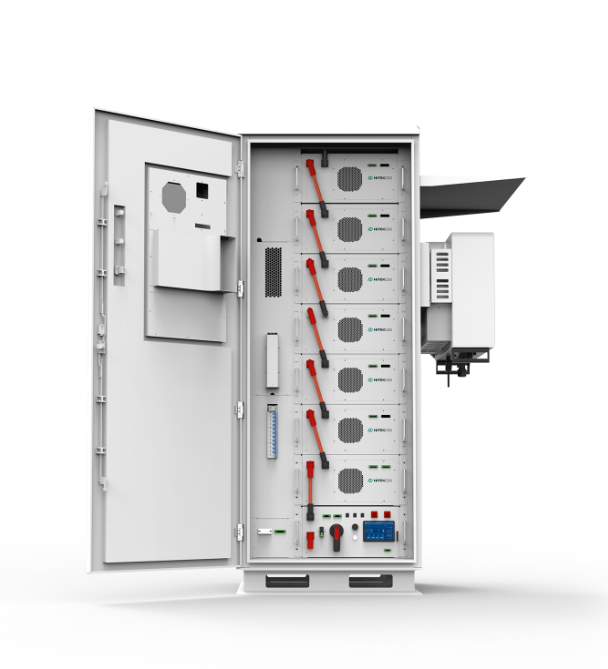 A low purchase price can disappear quickly if commissioning drags on, remote diagnostics are weak, or spare parts take too long to arrive.
Read the warranty like an operator, not a salesperson
Look at:
| Item | What to check |
|---|---|
| Product warranty | Years covered and major exclusions |
| Performance warranty | Capacity retention target and measurement method |
| Response time | How fast support replies after a fault |
| Spare parts | Stock plan and delivery time |
| Commissioning | Who attends site acceptance and final testing |
| Monitoring | What data is visible to the buyer |
Good service is part of project economics
For a battery energy storage system that cycles daily, service support affects uptime, savings, and internal trust. Plant managers care about whether alarms are handled quickly, not just whether the system looked competitive in a tender.
About the manufacturer behind the project
For buyers looking beyond a one-off shipment, the manufacturer matters. HITEK ENERGY CO.,LTD presents itself as an energy storage products manufacturer focused on prismatic LiFePO4 cells, modules, and systems for grid, commercial, residential, and backup applications. Its website highlights containerized and outdoor BESS, C&I solutions, OEM and customization support, technical consulting, factory inspection support, commissioning guidance, and after-sales service. HITEKESS also states that it operates automated and traceable production lines, maintains two R&D centers and a CNAS-certified quality control center, and serves customers across more than 120 countries and territories. For procurement teams, that kind of profile is relevant because long-term project value depends on manufacturing depth, system integration capability, and service response as much as on the initial specification sheet.
Conclusion
A containerized BESS project usually succeeds or fails before the container arrives on site. The right questions do more than reduce technical risk. They improve dispatch fit, simplify commissioning, and make warranty and service discussions much clearer.
For buyers comparing a containerized battery energy storage system, the best path is practical: define the use case, verify usable energy, review thermal and safety design, map the system boundary, check the site, and read the service terms closely. A battery storage container is easy to describe in a catalog. A project that performs well in the field takes much more care.
FAQs
What should buyers check before purchasing a containerized BESS?
Buyers should check the use case, power and usable energy, battery chemistry, cycle life assumptions, PCS/BMS/EMS scope, thermal management, fire suppression, installation conditions, grid connection requirements, warranty, and service support. That is the core of any serious containerized BESS buying guide.
What is the difference between a containerized BESS and a standard battery cabinet?
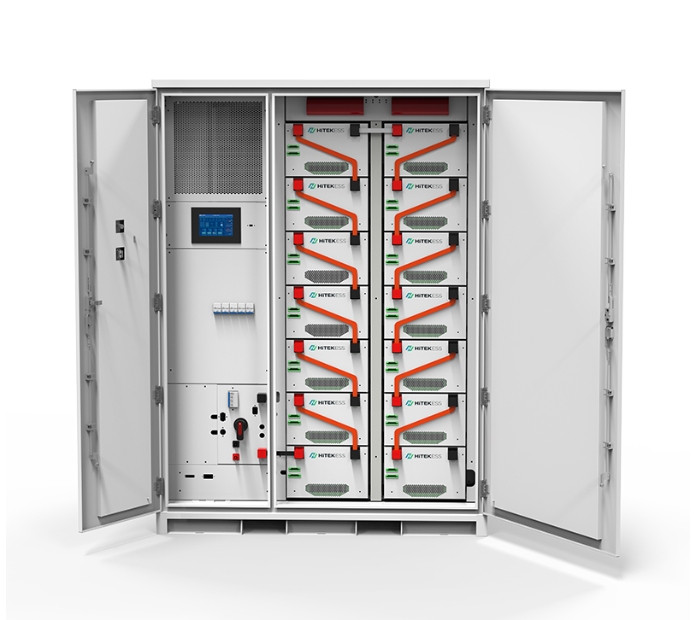
A containerized BESS is usually built for larger outdoor projects and integrates batteries, controls, cooling, safety systems, and power conversion inside a transportable enclosure. A battery cabinet is often smaller and better suited to tighter C&I footprints. The choice depends on capacity, deployment speed, and site layout.
How do buyers compare air cooling and liquid cooling in an outdoor BESS project?
The decision should be based on climate, cycling intensity, footprint, maintenance preference, and system energy density. In hotter or high-throughput projects, BESS thermal management becomes a major selection factor, not a minor accessory.
Why is usable energy more important than nameplate energy in a battery energy storage system?
Because usable energy reflects real operating conditions. Reserve settings, depth of discharge, inverter limits, auxiliary loads, and temperature all affect what the site can actually use. For buyers, usable energy is usually a better planning number than gross capacity.
What makes a supplier stronger for a commercial and industrial energy storage system project?
A stronger supplier usually combines manufacturing capability, clear technical scope, documented safety design, responsive service, commissioning support, and real project experience. For a commercial and industrial energy storage system, service and execution often matter as much as the hardware itself.
HITEKESS COMMERCIAL AND INDUSTRIAL ENERGY STORAGE SYSTEMS
1. Hitek 500kw on off Grid Solar Energy System 350kw 400kw 600kw 800kw Hybrid Solar Photovoltaic Storage System High Voltage 3 Phase Solar Energy System
Model: HT500KW-HY
2. Hitek All-in-One 100kwh 200kwh 500kw Fireproof off-Grid Solar Energy Backup Power System Industrial Commercial Lithium Ion Container off-Grid Applications
Model: HT500KW-HY
3. Complete Set House Solar Generator 100 Kw 100kw 30kVA Home Solar System Cost 3000W Solar Battery Storage System Hybrid for Farm
Model: HT100KW-HY
4. Renewable Energy Hitek Best 250kw Inverter off Grid on Grid Hybrid 50kw 100kw 150 Kw 250kw Complete Solar Power System Cost All in One Solar Panels System
Model: HT250KW-HY
5. Factory Price 100kwh 200kwh 250kwh 300kwh 500kwh 1mwh Lithium LiFePO4 Battery Solar 2mwh Ess 20FT Container for Electricity Storage System
Model: HT20FT-500kW/1MWh-EC