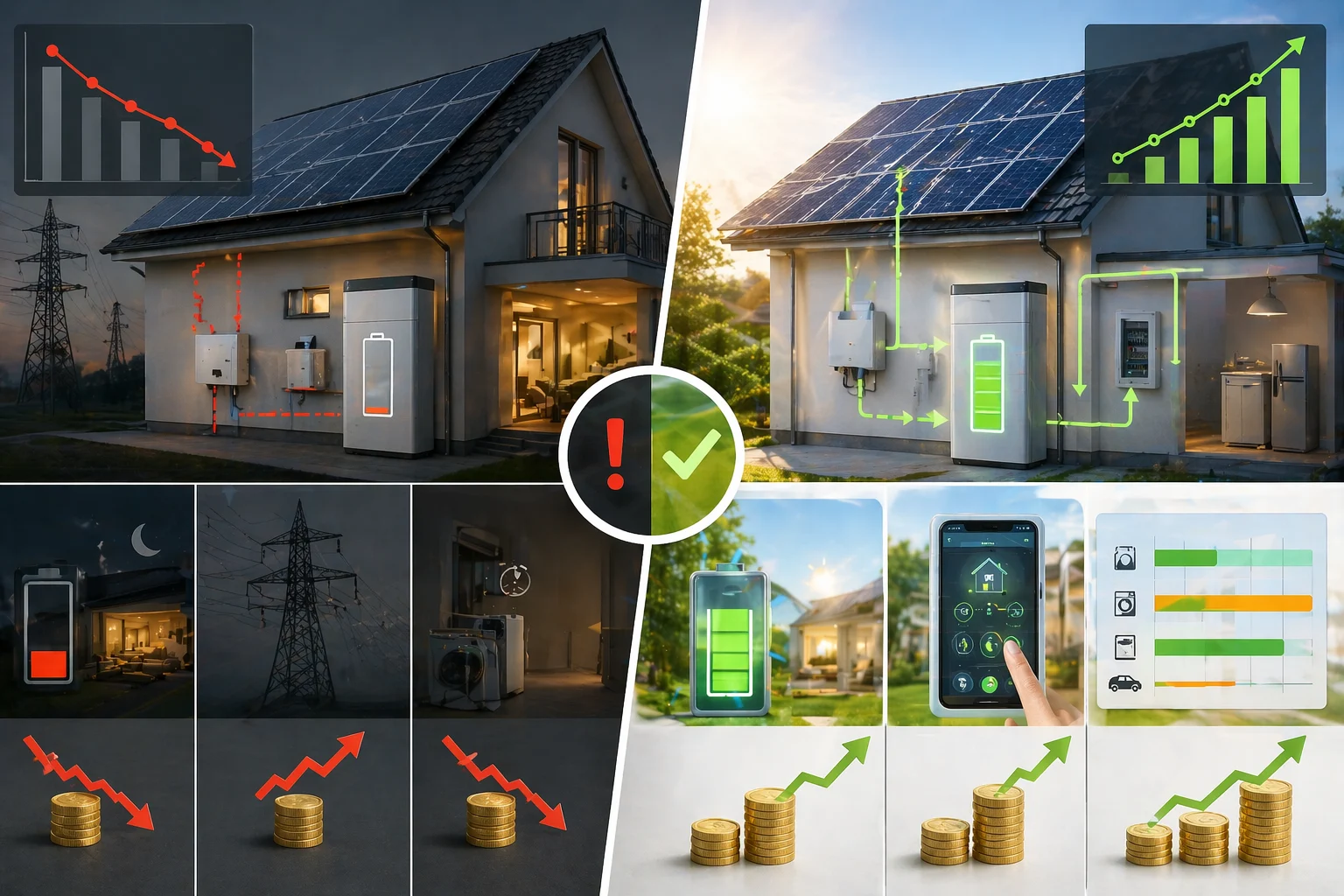
Residential energy storage systems (RESS) get promoted as tools to boost solar self-use and cut reliance on the grid. The basic money reason is straightforward: save extra solar power made in the daytime and use it at night when power costs more. Still, the money results of these setups rely a lot on time-of-use (TOU) rates, local fee plans, and how well the system works with the grid.
The return on investment for home battery buys usually expects steady TOU gaps, reliable system work, and steady user habits. But in real life, these ideas seldom last. For example, many owners see shrinking profit edges as power companies level out their rate plans or add usage-based fees that cut saving chances. Plus, battery wear and idle power drains—often skipped in first cost recovery math—can really cut into long-run gains.
Common Misconceptions About Energy Savings
Before we look at tech limits, it is key to clear up common wrong ideas about power savings. Many people overstate the money upsides of pairing solar PV with a home battery setup. Sure, adding solar-plus-storage can build more energy freedom. However, it does not always lead to matching cost drops. Over years, things like inverter waste, cell wear, and limited drain levels lower real savings versus early guesses.
One more wrong idea is skipping idle losses—the minor but ongoing power use needed to keep the battery running. Also, owners often miss the gaps between planned and real fee plans after setup. When net metering rules shift or export limits hit, expected gains from selling power to the grid can disappear.
What Technical Factors Limit Home Battery Performance?
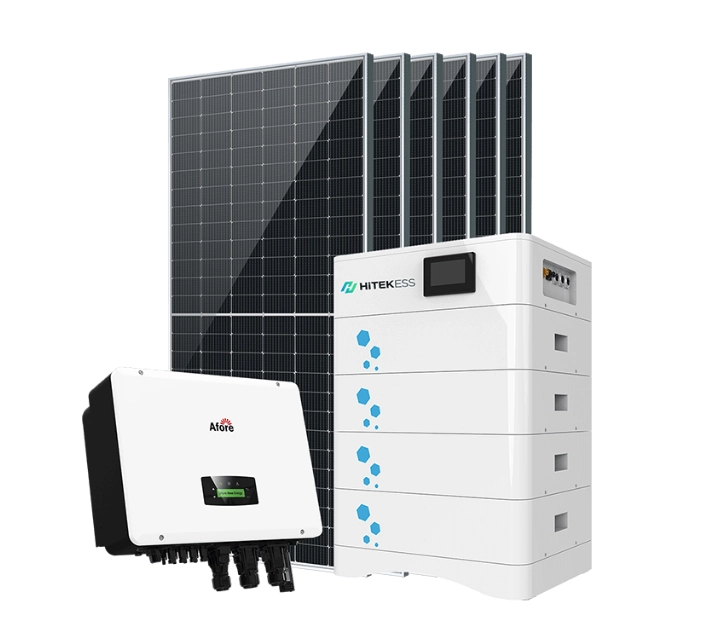
To connect the money side with real-world hurdles, let’s examine the tech issues that hold back some systems from good money results. Tech limits matter a great deal in why certain setups do not meet money goals. Changes during charge and drain cycles lose power, so not all saved energy comes back—this is called round-trip efficiency drop. A usual lithium-ion setup might hit 85–90% round-trip efficiency in best setups. Yet, everyday results can dip lower because of inverter waste and heat changes.
Inefficiencies in Battery Conversion and Cycling
Each change step—from DC to AC via the inverter—adds extra losses that shrink total useful output. Regular cycling speeds up capacity loss too. Every charge-drain action cuts a battery’s usable space a bit over time. This wear hits both steady work and recovery time directly.
System Design and Configuration Issues
Right system size is vital for best money results. A too-small battery fails to grab enough extra solar power to cover night needs well. An too-big one causes low use and drawn-out recovery times. How well the solar PV setup links with the storage unit counts too. Wrong control plans or mismatched talk links can lead to poor charging ways.
Many setups also miss smart control plans that handle shifting loads in real time. Fixed plans do not adjust to live price signs or weather shifts. As a result, they miss chances to lower costs.
How Do Operational and Behavioral Challenges Affect Cost Savings?
Even solid setups can miss marks if owners handle them poorly. User habits often decide if a residential energy storage system hits its money aim. To bridge tech limits and daily use, we now explore how actions and behaviors shape saving results.
Suboptimal Usage Patterns by Homeowners
Fixed charging times might make batteries fill up at bad moments—for instance, pulling from the grid in low-sun times instead of extra PV power. Likewise, some users focus on backup setups over money-saving plans. This cuts daily cycle chances that could bring better returns.
Changes in sun access or home use over seasons need regular tweaks that many skip. Without close watch or flexible control tools, these waste points build up.
Grid Interaction and Tariff Complications
Power company fee plans differ a lot by area, which hits profit chances. When TOU gaps shrink or companies set export limits on small power makers, gains drop fast. Also, unseen costs like peak fees or capacity charges can cancel out planned wins from less grid buys.
Net metering rules add more twists. If pay rates for sold power fall under store prices, saving extra solar beats selling it straight to the grid in money terms.
What External Factors Influence Economic Performance?
Outside tech and user issues, outside market forces decide if a home battery saves cash or not. Moving from daily hurdles to bigger outside effects, these factors can shift money outcomes in big ways.
Market and Policy Variables
Changes in power price setups—like switching from set TOU rates to live-time pricing—can change expected investment gains sharply. In the same way, shifts in government help or tax breaks change recovery times by altering start costs or steady income flows.
Area gaps in grid steadiness affect seen worth too. In spots with common blackouts or shaky supply, buyers might value toughness over just money savings in storage buys.
Environmental Conditions and Installation Quality
Heat highs or lows can hurt lithium-ion work by speeding cell reactions or raising inner pushback. Bad setup ways—like weak air flow or wrong wiring—can cause safety risks and real power leaks over time.
Skipping regular care makes these problems worse. Dust on air vents or old software can slow system speed and accuracy in charge level checks.
What Strategies Can Improve Financial Outcomes from Home Energy Storage Systems?
To beat these hurdles and lock in lasting cost cuts, tech tweaks and smart joins in changing power markets are a must. After reviewing outside impacts, here are practical steps to boost money results.
Optimizing System Configuration and Control Logic
Good setup makes sure each saved kilowatt-hour helps cut power bills well, not lost to waste or bad handling.
Advanced Load Management Techniques
Using AI-based controls lets shifting loads match live price signs, not fixed times. Adding guess tools from weather outlooks helps line up solar output with best fill slots. This boosts green power use and cuts grid needs.
Enhancing Battery Management Systems (BMS)
New flexible BMS plans allow exact charge/drain timing based on past use and outside settings. Routine software fixes boost data sharpness for error spots and work tracking. These are main for keeping long-term trust in residential energy storage systems.
Leveraging Smart Grid Integration Opportunities
After setup tweaks, more money wins open up by linking with wider grid help markets.
Participation in Demand Response Programs
Joining demand response plans or virtual power plant (VPP) groups run by power companies lets owners earn extra cash from services like steadying power flow or cutting peaks. This aids grid health too.
Dynamic Pricing Adaptation
As power companies move to live-time price setups, flexible run plans grow key. Auto controls that react quick to price swings lock max profit chances without owner hands-on work.
Long-Term Considerations for Sustainable Savings
Lasting money wins need ahead-thinking plans past quick work boosts. Building on optimization steps, long-view thoughts ensure steady gains over years.
Lifecycle Cost Analysis and Replacement Planning
Full money models should add planned wear rates to investment guesses for truer results. Thinking early about swap times—including recycle paths or leftover worth get-back—helps ease future money hits from part breakdowns.
Continuous Monitoring and Performance Benchmarking
Smart data tools allow steady track against plan marks over the system’s life. Regular checks spot off-tracks from software glitches or part mismatches before they grow into big work drops that hit investment returns.
HITEK ENERGY CO., LTD. — A Reliable Partner for Residential Energy Storage Solutions
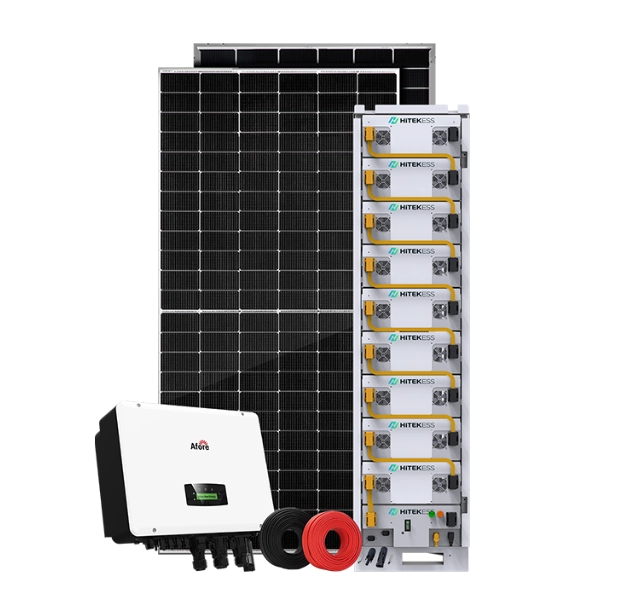
HITEK ENERGY CO., LTD. offers top-notch residential energy storage systems built for both good work and strength in varied work spots. Their fixes stress smart control links with current PV setups. HITEKESS also gives step-by-step growth fit for business uses. With strict test rules and pro setup aid around the world, HITEK ENERGY makes sure steady work even in tough weather spots. This makes them a solid choice for fixing home battery work problems worldwide.
Conclusion
Residential energy storage systems offer freedom from shaky power markets. But real money perks need tech care, smart run plans, flexible fee handling, and steady tweaks over their life. By fixing waste at each step—from plan to user changes—and teaming with pros like HITEK ENERGY CO., LTD, owners can turn their setups from “home battery not saving money” cases into true money-makers fit for coming smart grid worlds.
FAQs
Why isn’t my home battery reducing my electricity bill?
Common causes include poor system sizing relative to load patterns, inefficient inverter operation, static scheduling without regard for TOU rates, or degraded battery capacity due to frequent cycling.
How often should I update my battery management software?
Firmware updates should be applied whenever released by manufacturers since they often include improved fault detection algorithms and refined charge/discharge logic enhancing long-term efficiency.
Can participating in utility programs improve my ROI?
Yes. Enrolling your residential energy storage system in demand response programs or VPP networks allows you to earn compensation for providing ancillary services like frequency regulation—boosting overall economic returns beyond self-consumption savings alone.
HITEKESS TOP SELLING RESIDENTIAL ENERGY STORAGE SYSTEMS
1.Easy Installation Good Performance 5kw 10kw 15kw 20kw Offgrid Solar System 220V 380V 30kw Hybrid Solar System Home Use Complete Kit
Model: HT10KW-HY
2.10kw Hybrid Inverter 12kw 15kw Hybrid Inverter 3 Phase 10kw Hybrid Solar Inverter with MPPT Controller Solar System
Model: HT10KW-HY
3.High Efficiency 15kw 20kw 30kw on off Grid 30kw Solar System Home Power with Lithium Ion Batteries
Model: HT10KW-HY
4.Complete off Grid Solar Power System 30kw 20kw Solar Battery Storage Systems 10kwh Ht Solar 10kw Price for The Whole House
Model: HT30KW-HY
5.Complete on Grid Solar System 5kw 10kw 15kw Home Solar Panel Kit 15kVA Solar Power System Cost
Model: HT15KW3-ON