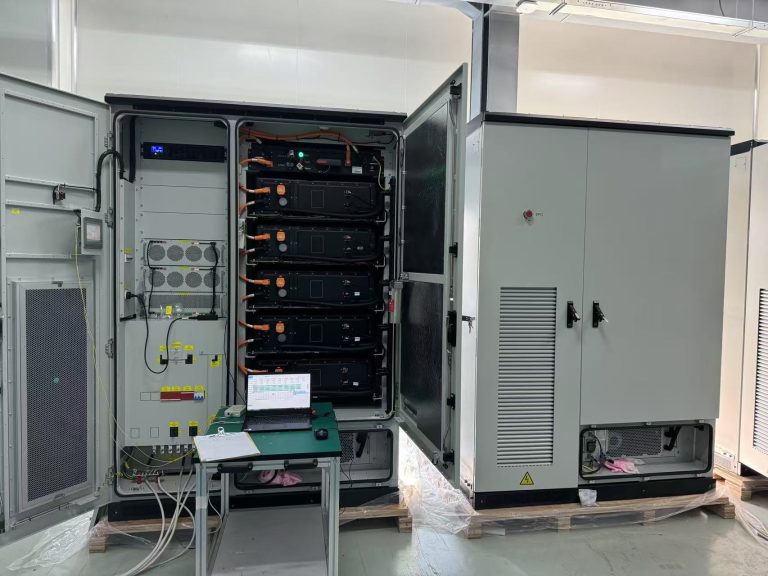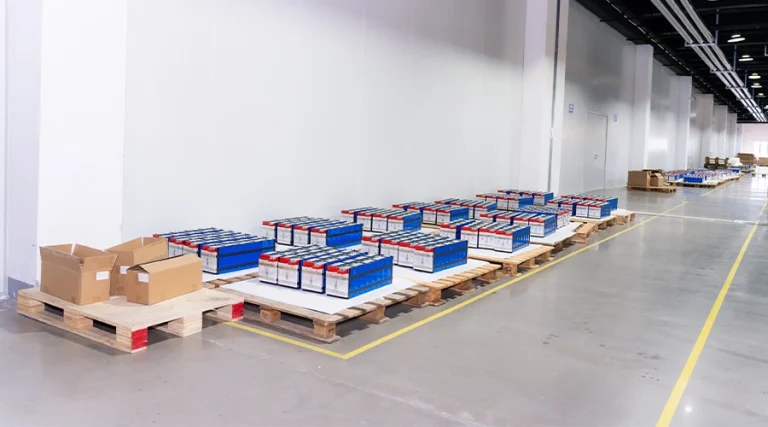
Battery energy storage systems now serve factories, solar projects, commercial buildings, data centers, and homes. As capacity grows, energy storage system safety becomes a practical buying issue.
The Battery Management System (BMS) is central to that job. It watches electrical and thermal conditions, keeps cells inside operating limits, and responds when readings become abnormal. Smart battery monitoring adds live visibility and historical data, supporting lithium battery safety, stable output, and more predictable maintenance.
Why Energy Storage System Safety Matters
The battery energy storage system (BESS) is capable of storing a considerable quantity of energy within a small space. As a result, the battery can be used for applications like peak shaving, solar self-consumption, backup power, and load shifting; however, cell-level defects can impact the overall performance of the system.
Risks associated with a battery energy storage system include overcharging, deep discharging, overcurrent, short circuits, high temperatures, and cell imbalance. Defects within the battery will usually begin subtly; an underperforming cell would result in a small voltage difference, whereas an issue with the cooling system would result in a steady increase in temperature.
For a commercial energy storage system that cycles every day, small differences repeat over time. Without good control, that stress can reduce usable capacity and shorten battery life.
What Does a Battery Management System Do?
The Battery Management System connects battery cells with the wider energy storage system. It measures key values, estimates battery status, applies protection limits, and communicates with other equipment.
A smart BMS for lithium battery systems commonly handles:
- cell and pack voltage monitoring;
- charge and discharge current tracking;
- temperature measurement;
- State of Charge (SOC) calculation;
- State of Health (SOH) estimation;
- cell balancing;
- overcharge, over-discharge, overcurrent, and temperature protection;
- alarms and operating data.
These functions work as one control chain: sensing identifies the condition, and protection logic turns data into action.
Voltage, Current, and Temperature Monitoring
Voltage can reveal an abnormal cell before the whole pack shows a problem. Current data shows how hard the battery is charging or discharging. Temperature sensors show whether cells, modules, or key electrical areas are heating unevenly.
When a reading crosses a defined limit, the BMS may reduce power, stop charging or discharging, open a contactor, or issue an alarm. This fast response is a core part of ESS battery protection.
SOC, SOH, and Cell Balancing
State of Charge (SOC) tells the system how much usable energy remains. Accurate SOC data helps avoid unnecessary deep discharge and supports better charge scheduling.
State of Health (SOH) tracks longer-term battery condition. Cell balancing serves a related purpose. Because cells do not age at exactly the same rate, their voltages can drift apart. Balancing keeps them closer together and reduces the chance that one weak cell will limit the usable capacity of the whole pack.
How BMS Protection Handles Common Battery Risks
BMS protection is not one emergency switch. It is a group of controls for different fault conditions.
| Battery risk | Typical BMS response | Practical benefit |
| Overcharge | Limits or stops charging | Reduces cell stress |
| Over-discharge | Stops discharge below limits | Helps avoid cell damage |
| Overcurrent | Limits current or disconnects pack | Protects cells and connections |
| High temperature | Reduces power or stops operation | Supports thermal safety |
| Cell imbalance | Balances cells or flags deviation | Supports usable capacity |
| Short circuit | Rapid isolation | Limits extreme current damage |
Protection thresholds matter, along with detection speed and communication with the inverter, energy management system, and other safety devices.
How Smart Battery Monitoring Improves Reliability
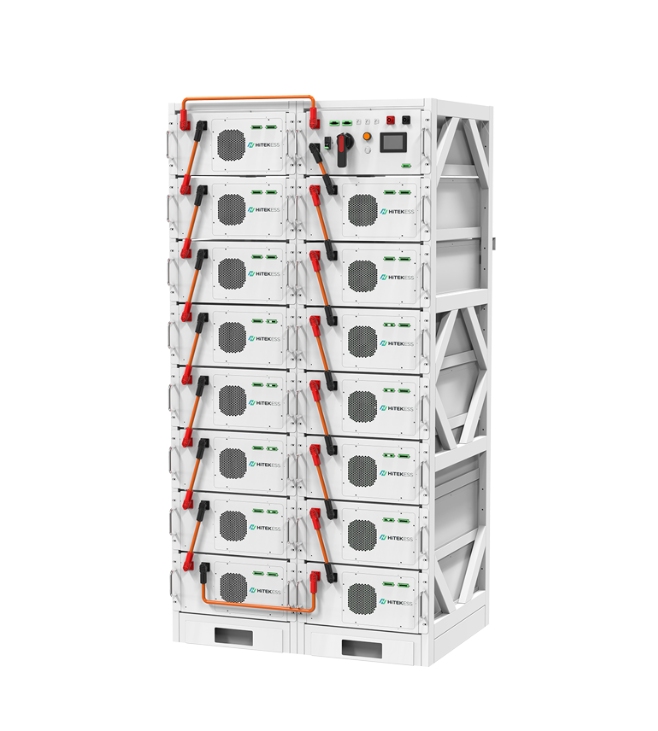
Basic protection reacts when a value crosses a limit. A smart battery monitoring system also records trends, compares modules, and gives operators a clearer view of what is changing.
This matters in commercial and industrial energy storage, where a BESS may cycle daily with little on-site attention. Remote battery monitoring can display voltage spread, temperature differences, SOC, SOH, and alarm history.
Early Warnings Can Prevent Larger Problems
Consider a battery cabinet at a warehouse. One module begins running several degrees warmer than nearby modules during the same discharge period. The temperature may still be below the shutdown point, yet trend data can show that the difference is growing.
The same pattern can happen with cell voltage or capacity. A single reading shows the present; a trend shows where the system may be heading. That makes battery monitoring technology useful for condition-based maintenance.
Smart Monitoring Supports Better Maintenance
Historical data helps technicians separate a one-time event from a repeating issue. If the same module shows unusual temperature rise every afternoon, or its voltage spread widens over several weeks, the maintenance team has a specific place to inspect.
In solar energy storage systems, summer heat and strong afternoon charging can create a very different load profile from winter operation.
Why LiFePO4 Batteries Fit Stationary Energy Storage
LiFePO4 battery chemistry, also known as LFP, is widely used in stationary storage because of its thermal stability and long cycle capability. Chemistry, however, is only one part of lithium battery safety.
A safe lithium battery storage solution also depends on cell quality, electrical protection, battery thermal management, BMS logic, installation, and maintenance. In a high voltage lithium battery system, insulation monitoring, wiring quality, and communication become particularly important.
For buyers, a better question than “Is this an LFP battery?” is “How does the complete system detect and respond to abnormal conditions?”
What Buyers Should Check Before Choosing a BESS
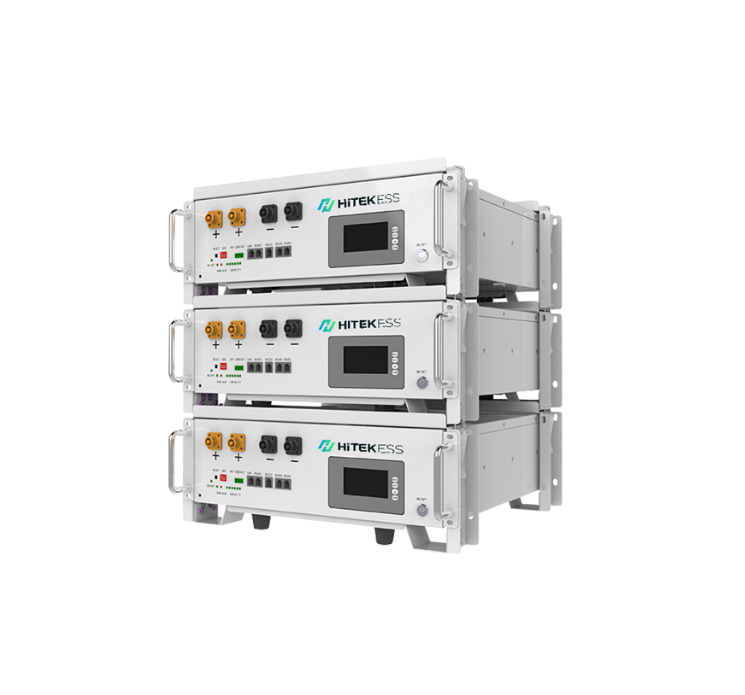
A datasheet may list many protection functions, but project buyers need to know how they work in real operation.
Check:
- which values are monitored at cell, module, and system level;
- whether SOC and SOH data are available;
- how cell balancing works;
- what happens after overcharge, over-discharge, overcurrent, or overtemperature;
- whether remote monitoring and fault records are available;
- how thermal management handles expected site temperatures;
- how the battery communicates with the inverter and energy management system;
- what technical support is available during commissioning and operation.
This review gives a more useful picture of commercial battery storage safety than nominal capacity alone.
HITEK ENERGY CO., LTD: Energy Storage Manufacturing and Support
HITEK ENERGY CO., LTD. is an energy storage products manufacturer focused on prismatic LiFePO4 batteries, battery modules, and energy storage systems for residential, commercial, industrial, backup-power, and larger energy applications.
Its manufacturing approach combines energy storage R&D, quality control, automated production, and technical support for system design and project evaluation. It also provides modular energy storage solutions for different power and capacity needs. For project buyers, system-level capability matters because battery safety depends on how cells, BMS, thermal control, power electronics, and protection functions work together.
Conclusion
The safety of an energy storage system is based on having good quality battery cells, but there is a lot more to it than that. The Battery Management System maintains voltage, current, temperature, SOC, and cell balancing within acceptable limits. Intelligent battery monitoring incorporates history and early warning alerts that assist in identifying abnormal behavior before becoming a fault.
For residential, solar, commercial, and industrial energy storage systems, a multi-layered strategy is better than using one protection mechanism alone. Battery chemistry, BMS protection, thermal management, remote monitoring, system integration, installation, and maintenance affect the performance and operational risks of
Questions fréquentes
What is the role of BMS in energy storage system safety?
A Battery Management System monitors voltage, current, temperature, SOC, and other operating data. It applies protection limits and can stop charge or discharge when unsafe conditions are detected. It also supports cell balancing and fault reporting.
Why is smart battery monitoring important for a BESS?
Smart battery monitoring can reveal trends in temperature, cell voltage, SOC, SOH, and repeated faults. That helps maintenance teams find developing problems earlier and track battery performance over time.
What is the difference between SOC and SOH?
State of Charge (SOC) describes how much charge is available now. State of Health (SOH) describes longer-term battery condition and aging. Both affect battery performance, maintenance planning, and energy storage system safety.
HITEKESS HOT SELLING ENERGY STORAGE SYSTEMS
- Installation facile Bonne performance 5kw 10kw 15kw 20kw système solaire hors réseau 220V 380V 30kw système solaire hybride Kit complet d'utilisation domestique
Modèle: HT10KW-HY
- Hitek 500kw on off Grid Solar Energy System 350kw 400kw 600kw 800kw Hybrid Solar Photovoltaic Storage System High Voltage 3 Phase Solar Energy System
Modèle: HT500KW-HY
- Système solaire hybride hors réseau d'Afrique du Sud 150kw 120kw 100kw 50kw 30kw 50kwh 100kwh avec batterie de sauvegarde LiFePO4
Modèle: HT50KW-HY
- Hitek tout en un système de stockage d'énergie de la batterie solaire Bess 50kw 100kw 150kw 200kw 250kw 500kw Système solaire hybride 1MW avec armoire de batterie distribué
Modèle: HT-100/200-OC
- Renewable Energy Hitek Best 250kw Inverter off Grid on Grid Hybrid 50kw 100kw 150 Kw 250kw Complete Solar Power System Cost All in One Solar Panels System
Model: HT250KW-HY
- Commercial 50kVA 100kVA Solar Battery Energy Storage System 50kw 100kw Hybrid All in One Solar Power System 100kwh 200kwh 229kwh 241kwh Lithium Battery Backup
Model: HTAC-50/100-OD