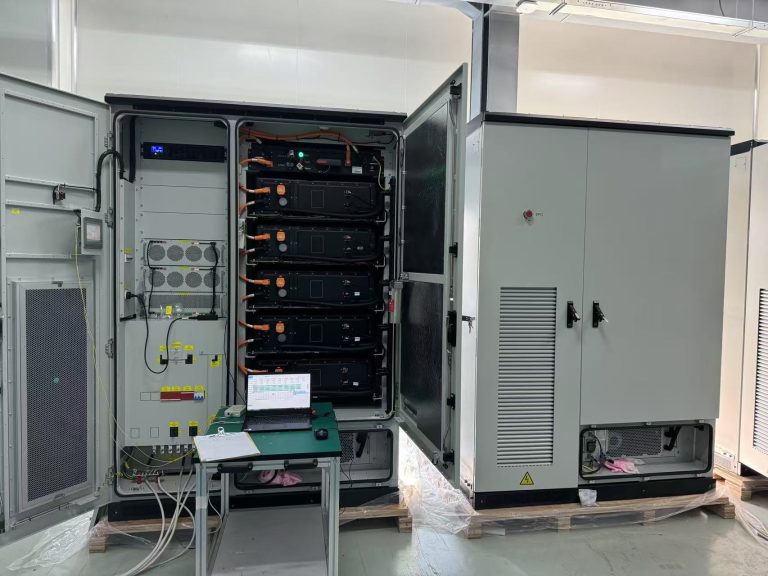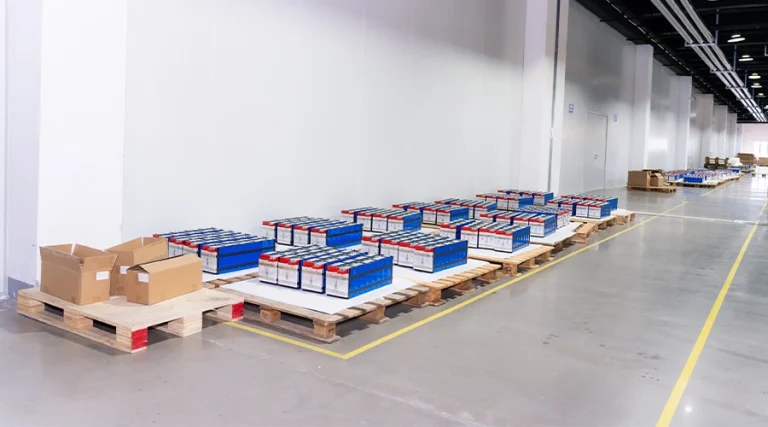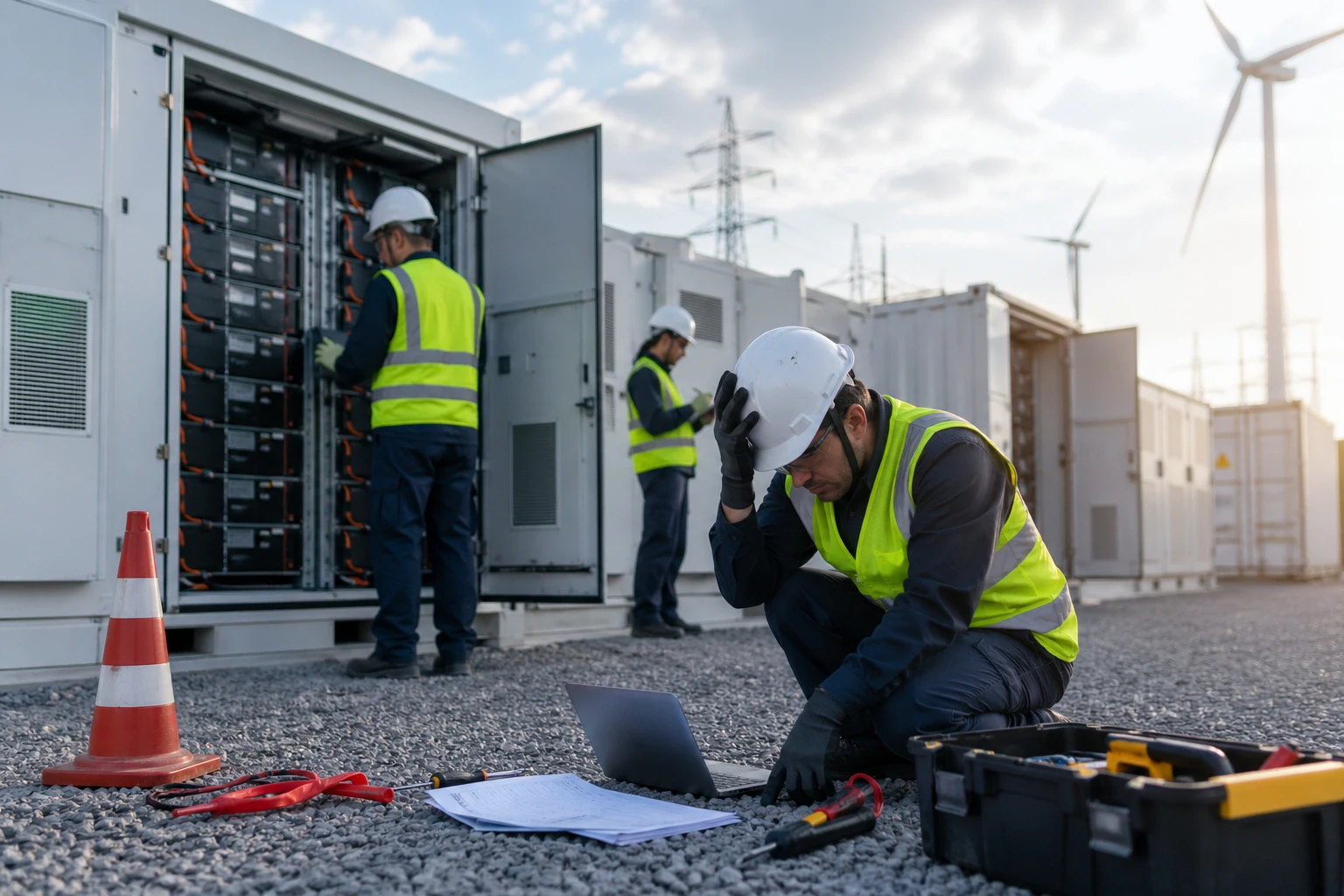
Proper commissioning of a Battery Energy Storage System (BESS) is a key stage. It shapes the system’s long-term work, dependability, and security. Every part—from the battery modules to the power conversion system—needs full checks. This ensures smooth joining and follows work rules. Yet, many projects hit expensive problems from simple battery commissioning errors. These include weak records, bad teamwork, or wrong setup in control systems. Such issues slow down project times. They also bring work problems that hurt energy flow and system life. So, careful planning, clear test methods, and good team work among all involved are vital. They help reach safe and effective commissioning results.
What Are the Typical Pitfalls During BESS Commissioning?
Commissioning groups often meet repeated problems. These come from weak ready work, setup mistakes, and talk failures. Each area can greatly change both time plans and work results.
Inadequate Pre-Commissioning Preparation
A missing full commissioning plan or lack of papers is a top reason for project waits. Without step-by-step test steps or clear okay rules, groups may skip key check parts. Another problem is not checking if parts match or if the system is ready to join before site setup. If inverter links or talk rules are not checked ahead, join errors can show up in tests. Plus, not enough training or unclear job roles for team members often cause repeat work or skipped jobs in main battery commissioning steps.
Improper System Configuration and Parameter Settings
After gear setup ends, right setup matters a lot. Wrong choices in inverters, power conversion systems (PCS), or energy management systems (EMS) can lead to talk breaks between parts. In the same way, differences between battery management system (BMS) choices and site needs might start warnings or limit charge and release actions. Also, different firmware types in controllers make fix work harder. This can cause shaky work during first power-on.
Poor Coordination Between Stakeholders
Good teamwork among engineering, procurement, and construction (EPC) builders, joiners, and sellers is key for easy running. Bad talk about job limits or unclear pass-over steps often cause waits in test times. Moreover, when papers for test outcomes or problem lists are spread over many tools without a main spot, it gets hard to follow progress. It also becomes tough to spot repeat issues quickly.
How Do Environmental and Site Conditions Affect Commissioning?
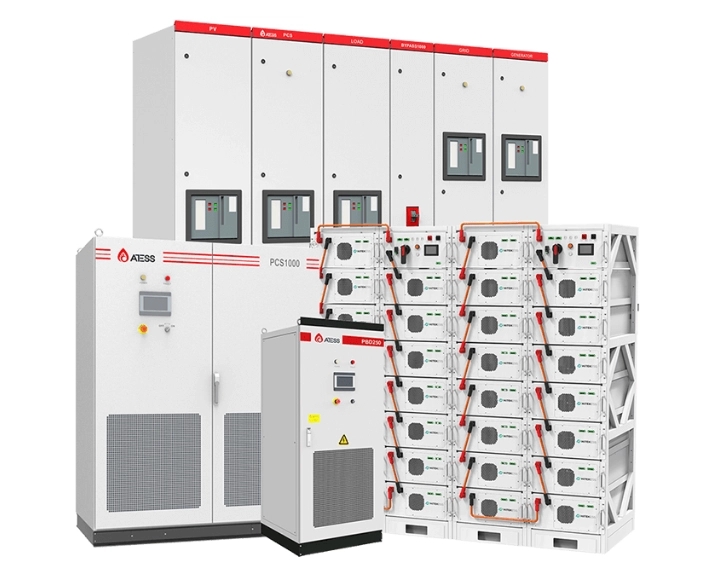
Besides people factors, outside settings also matter much in deciding if commissioning works well. Let’s look at how these play a part.
Impact of Temperature and Humidity on Battery Performance
Very hot or cold air can mess up measure truth in capacity checks. It might even start auto safety stops in the BMS. High wet air can speed up rust on ends or links if not fixed by air controls. Further, weak HVAC work in early test times can slow cell balance jobs. This happens by letting heat differences grow across shelves.
Site Infrastructure Limitations
The state of site setup affects commissioning results right away. Unsteady power—like drops in voltage—can stop setup routines for sensors. It may also block sync tests between PCS units. In some spots, weak ground systems bring safety risks in power-on steps. They raise fault chances during insulation checks.
Why Does Data Validation Often Become a Bottleneck?
Data truth is the base of work checks in BESS commissioning. But it often turns into a slow point. This happens because handling it takes a lot of time.
Common Data Collection Errors During Testing
Uneven time gaps in device samples can make data sets that don’t match. This makes study harder. Lost time marks on saved events stop true links between parts like PCS and EMS answers. Also, wrong size factors on voltage or current reads can give false work math. These hide real work paths.
Inefficient Data Review Processes
Hand checks of big data sets make okay times last longer. That’s because odd parts must be found one by one. Without auto study tools, real-time spot of changes is limited. This includes issues like current unevenness or surprise SOC shifts in moving tests.
How Can Teams Prevent Costly Delays During BESS Commissioning?
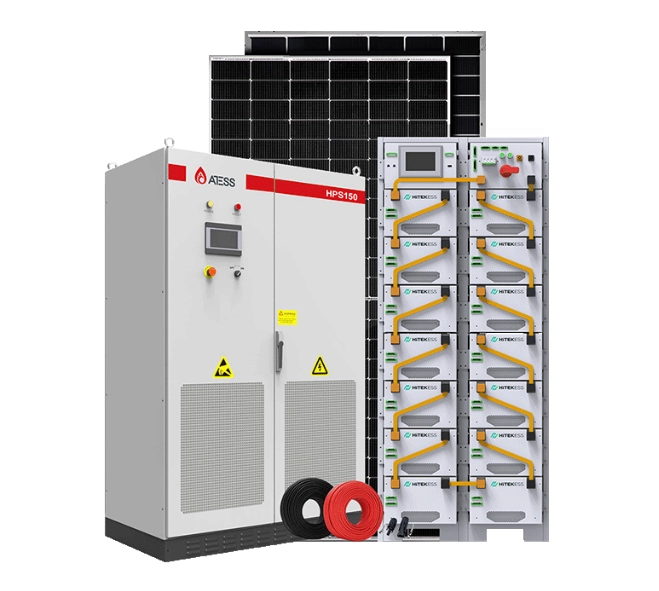
To cut these common problems, project groups should use set work flows. These mix strict steps with good talk ways. Such steps help avoid waits that cost money.
Establishing a Comprehensive Commissioning Plan
A clear plan should list key points from factory acceptance testing (FAT) to site acceptance testing (SAT). It needs extra checks for network talks. It also calls for okay routines for control lock steps. This kind of clearness lets involved people match hopes early. At the same time, it keeps track through each test part.
Implementing Standardized Testing Protocols
Using set forms for noting test outcomes keeps things the same across sites and groups. This way makes it easy to compare start data. It also ensures every change is noted with clear fix steps. These are saved in watched change systems.
Enhancing Communication Across Project Stakeholders
Regular check meetings with all tech leaders build open views. They help spot blocks soon. Digital team tools let real-time follow of issues found in field tests. So, fix steps can start fast. This avoids waits for official report times.
What Role Does Safety Compliance Play in Smooth Commissioning?
Safety is always a must in every BESS commissioning step. High-voltage setups have built-in dangers if not handled right. Following safety rules helps things go smoothly.
Adherence to Electrical Safety Standards and Procedures
Electric safety checks include insulation resistance measures. They cover steady checks on ground paths and okay of guard plans against short faults. Right lockout-tagout (LOTO) use keeps workers safe before powering any part in test states.
Emergency Preparedness During Testing Phases
Lithium batteries can risk fires, so good fire stop tools must be ready always. Workers need hands-on practice on emergency stop steps. They should also learn danger answer rules made just for battery storage spots.
How Can HITEK ENERGY CO., LTD Support Reliable BESS Deployment?
HITEK ENERGY CO., LTD. is a trusted helper in commercial and industrial (C&I) energy storage setups. It offers full solutions made for client needs. The firm’s range includes strong join skills. These mix solid BMS designs with exact PCS setups. They aim for grid steady work uses. With tight quality checks and focused after-sell help, HITEKESS makes sure each setup meets safety rules and work promises. It also cuts on-site fix times. Working with HITEKESS lowers risks from setup mismatches or choice errors in big battery projects.
Conclusion
Usual errors in BESS commissioning—from weak pre-checks to unmatched firmware—can mess up project times and raise costs. This happens if not fixed ahead. Stop steps like making full plans, using set test frames, keeping open talk lines, and sticking to safety rules are key. They lead to good results. Joining with skilled providers like HITEK ENERGY CO., LTD boosts trust. It ensures tech care in every setup step. This cuts open to work risks.
Questions fréquentes
What is the typical duration for BESS commissioning?
The time varies by system size, design hardness, join range, and outside states. But it usually lasts a few weeks to some months. This is true when set with clear key points.
How can software integration issues be minimized during commissioning?
Keeping firmware the same across all gear, plus early fake tests, helps find mismatches before site work. Matched setup files kept under tight change watch also cut link fights between EMS and PCS parts.
Why is third-party verification recommended after commissioning?
Outside checks give fair proof that deal work goals are met. They also okay following safety codes. This outer view builds trust before full business run starts.
HITEKESS BEST SELLING Battery Energy Storage Systems
1. Factory Price 100kwh 200kwh 250kwh 300kwh 500kwh 1mwh Lithium LiFePO4 Battery Solar 2mwh Ess 20FT Container for Electricity Storage System
Model: HT20FT-500kW/1MWh-EC
2. Renewable Energy Hitek Best 250kw Inverter off Grid on Grid Hybrid 50kw 100kw 150 Kw 250kw Complete Solar Power System Cost All in One Solar Panels System
Model: HT250KW-HY
3. Hitek 500kw on off Grid Solar Energy System 350kw 400kw 600kw 800kw Hybrid Solar Photovoltaic Storage System High Voltage 3 Phase Solar Energy System
Modèle: HT500KW-HY
4. Hitek Energy Turnkey Complete Set 380V 400VAC off Grid Solar Panel Backup System 30kw Hybrid 40kVA 30 Kw Rooftop Home Solar Power System 30000W 30kVA 20 Kw
Modèle: HT30KW-HY
5. Hitek 3 Phase off Grid Hybrid Complete Set Solar Photovoltaic System 150kw 100kw 250 Kw Solar Power Storage System for Farm
Model: HT250KW-HY