For commercial building owners and facility managers, switching to solar power can look like a solid financial step. The initial numbers often seem attractive. But the real picture usually appears years down the road when you calculate the full cost of owning the system. Many buyers put too much attention on the sticker price. They miss how certain choices affect expenses over the next 20 or 25 years.
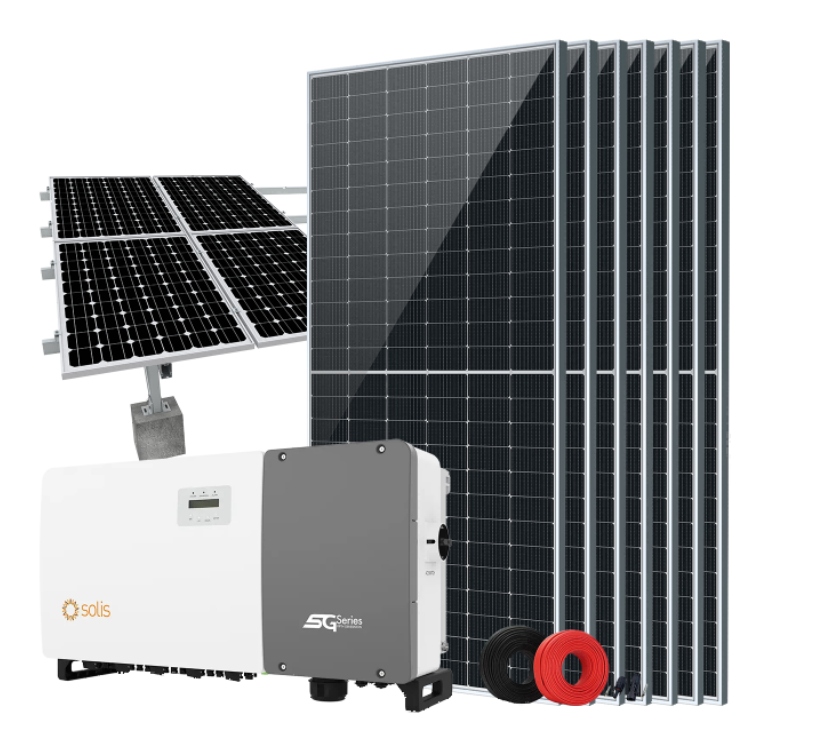
This article breaks down the actual costs of running a commercial solar setup. We’ll show why string inverter systems, like the HITEK ENERGY 2MW 3MW Grid Tied Solar System with String Inverters, often end up saving money over time.
What Total Cost of Ownership Really Means for Commercial Solar
TCO covers everything from the day you sign the contract until the system reaches the end of its life. It includes the purchase price, installation, energy losses, maintenance, and any downtime costs.
A cheaper system might look good at the beginning. Yet over many years, hidden expenses from inefficient inverters, frequent repairs, or major breakdowns can eat into your expected savings. Experienced buyers now run complete TCO calculations before deciding on bigger projects.
Initial Investment: Not the Only Number That Matters
The upfront cost of a 2MW or 3MW commercial solar system includes panels, inverters, mounting structures, wiring, and labor for installation. String inverter setups usually come with a reasonable starting price when compared to central inverter systems.
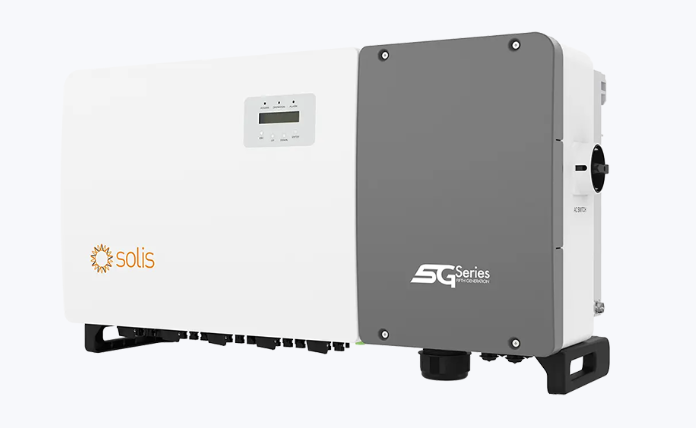
For example, the HITEK ENERGY 2MW 3MW Grid Tied Solar System with String Inverters uses multiple 100kW units. This modular approach spreads out the risk. If one inverter runs into trouble, the rest of the system can keep producing power.
Centralized systems may cost less per watt at first. But when a problem hits, the damage spreads across the entire array.
Operating Costs That Add Up Over Time
Energy losses make up one of the biggest ongoing expenses. Lower-quality inverters don’t convert DC to AC as efficiently. Even a small 1-2% drop in efficiency can mean losing thousands of dollars every year in a 2MW system.
Maintenance matters too. String inverters are usually placed closer to the ground or spread across the array. Technicians can reach them without needing heavy equipment. A single failed unit only affects a small section — often around 300kW instead of shutting down the whole plant.
One commercial facility in the Midwest learned this lesson the hard way. Their central inverter failed and took the entire 1.8MW system offline for nine days. The lost production and repair bill added up to more than $45,000. A string inverter setup would have kept most of the system running.
Why String Inverters Often Win on Long-Term TCO
Premium string inverters offer several practical benefits that show up over time:
- Better Fault Isolation — One unit going down doesn’t stop the entire operation.
- Easier Monitoring — You get detailed data on individual strings to catch problems early.
- Simpler Repairs — Technicians can often swap units quickly with very little downtime.
- Flexible Design — They handle shading or different roof sections more effectively.
Over 20 years, these features help reduce unexpected outages and keep energy output closer to what you planned.
5-Year TCO Comparison (Approximate for 2MW System)
| Cost Category | Central Inverter System | String Inverter System | Key Difference |
|---|---|---|---|
| Initial Equipment Cost | Lower | Slightly Higher | $80K–$150K more |
| Installation | Similar | Similar | – |
| Annual Maintenance | $18K–$25K | $9K–$14K | Easier access |
| Downtime Losses | Higher risk | Much lower | Fault isolation |
| Energy Production Loss | 3–5% typical | 1–2% typical | Better efficiency |
| Total Estimated TCO | Higher long-term | Often 12–18% lower | Better ROI |
These figures can change depending on location and actual usage. Still, the overall pattern appears consistently across many projects.
Real Impact on Payback Period
Many facilities using good string inverter systems see their payback periods shortened by 15-20% compared to basic setups. The mix of higher uptime, better efficiency, and lower repair bills adds up quickly.
In areas with high electricity rates, this difference becomes even clearer. One distribution center recovered their investment almost three years faster after choosing a string inverter design. The steady performance also made their monthly energy budgeting much more predictable.
Other Factors That Affect Long-Term Value
- Warranty and Support: Choose manufacturers who back their inverters with strong warranties and quick local help.
- Scalability: String systems make future expansions simpler without major changes.
- Future-Proofing: Newer string inverters usually come with better monitoring tools and work well with upcoming grid rules.
HITEK ENERGY CO.,LTD as a Trusted Energy Storage Products Manufacturer
HITEK ENERGY CO., LTD. operates as a professional energy storage products manufacturer with solid experience in solar solutions. They focus on renewable energy systems and produce lithium batteries, inverters, solar panels, and complete turnkey setups. Their HITEK ENERGY 2MW 3MW Grid Tied Solar System with String Inverters shows practical design built for real commercial use. With manufacturing facilities in China and experience on global projects, HITEK ENERGY provides full support for businesses looking for reliable long-term solar investments.
Conclusion
Looking at the total cost of ownership changes the way you evaluate commercial solar systems. Premium string inverters may cost a bit more at the start. But they usually deliver noticeably lower operating expenses over the full life of the project. Less downtime, easier maintenance, and steadier energy production lead to real savings and faster returns.
For facility managers and business owners planning larger solar installations, taking time to run proper TCO numbers helps avoid costly surprises later. Choosing the right inverter setup, such as string inverters in the HITEK ENERGY 2MW 3MW Grid Tied Solar System, supports both short-term goals and long-term financial success.
Questions fréquentes
What does TCO include when comparing commercial solar systems?
TCO covers initial equipment and installation costs plus ongoing expenses like maintenance, energy losses, and potential downtime over 20+ years.
Why do string inverters often lower long-term costs in the HITEK ENERGY 2MW 3MW Grid Tied Solar System?
They limit the impact of any single failure and allow easier maintenance. This keeps more of the system producing power even when issues occur.
How much can premium string inverters reduce operating costs?
Many projects see 12-18% lower total ownership costs over time due to better efficiency, less downtime, and simpler repairs.
Is the HITEK ENERGY 2MW 3MW Grid Tied Solar System with String Inverters suitable for commercial rooftops?
Yes. Its modular string inverter design works well for both rooftop and ground-mounted commercial installations, offering flexibility and reliable performance.
What should buyers consider besides price when choosing a solar system?
Focus on inverter quality, expected energy yield, maintenance requirements, and the manufacturer’s track record for support and spare parts availability.
HITEK ENERGY’S GRID TIE SOLAR POWER SYSTEMS ON HOT SALE
1. Commercial Solar Power System 15kw 20kw 30kw 50kw Solar System 30000watt on Grid Solar System Cheap Price
Model: HT30KW-ON
2. Hitek Complete 50kw 100kw 200kw Solar System 500kw 1000kw on Grid Solar Power System 1MW 2MW 3MW 5MW Grid Tie Solar Power System Plant for Commercial Industrial
Model: HT1MW-ON
3. Best 5MW 3MW 1MW Commerical Solar Energy Panel System 3000kw 3 Megawatt Solar Power Plant Kit 1 MW Ground Mounting System for Solar Farm
Model: HT1MW-ON
4. Complete Solar System 15kw 20kw 25kw 30kw Ongrid Solar Energy System for House
Model: HT15KW3-ON
5. 50kw Solar System on Grid 30kw 45kw 50kw System Solar 50kw on Grid Solar Energy System for Power Station
Model: HT50KW-ON
6. High Efficiency 30kw 40kw 50kw on Grid Solar Power System 50kVA Solar Energy Solar Panel System on Grid for Company Use
Model: HT50KW-ON