C-rate stands as a simple concept in the world of batteries au lithium. It measures the pace at which a cell takes in or gives out power against its standard capacity. This element controls the speed of energy storage or release. It influences the battery’s effectiveness and its durability. Engineers and builders find this aspect vital for enhancing battery groups in electric vehicles (EVs), green energy holding, and plant operations. The C-rate goes beyond mere current handling. It alters heat inside, chemical harmony, and the total effectiveness of energy movement. In practice, understanding C-rate helps create better systems. For instance, in EVs, it ensures quick response without too much wear. This balance makes batteries reliable for daily use.
What Does C-Rate Mean in Lithium Batteries?
To fully grasp how C-rate calculations are applied in practice, it is essential to examine the underlying mathematical formula.
Technical Definition of C-Rate
The C-rate explains the quickness of battery charging or draining relative to its listed capacity. Take a 1C rate, for example. It means a battery rated at 100 Ah deals with 100 A of current. That process ends in one hour. In contrast, a 0.5C rate applies only half the current. Therefore, it requires two hours to finish. Meanwhile, a 2C rate applies twice the current. As a result, it wraps up in 30 minutes. This common standard allows fair comparison of various battery kinds and structures. It evaluates factors such as charging duration and power delivery equally.
Mathematical Representation of C-Rate
You express the C-rate equation in this form:
C-rate = Current (A) / Rated Capacity (Ah).
This calculation assists in determining the precise current for particular charging or draining periods. Engineers apply it to construct setups that remain secure. They target the required power levels. Accurate calculations also maintain cells inside temperature and chemical boundaries. Consequently, this reduces damage from repeated uses. Such methods prove useful in real designs, where safety and performance must align closely.
How Does C-Rate Affect Battery Performance?
Beyond these performance trade-offs, managing the thermal consequences of high C-rates becomes critical for preserving long-term battery health.
Influence on Energy Density and Power Output
C-rate impacts battery function through two primary channels. Elevated C-rates provide rapid power surges. However, they frequently diminish energy density owing to internal barriers and warmth production. When using lower C-rates, the battery retains energy more effectively. Reduced warmth leads to fewer losses. Yet, the response becomes slower. Thus, achieving proper equilibrium proves essential. Applications requiring sudden power spikes tolerate certain reductions in storage efficiency. Stationary setups emphasize consistent delivery over haste. This trade-off often guides design choices in various devices.
Impact on Battery Life and Thermal Management
Rapid C-rates generate substantial warmth in lithium batteries. This arises from greater internal barriers and chemical pressure. Such intense warmth hastens issues like lithium deposits on the anode or liquid decomposition. To address this, groups employ clever warmth oversight systems. Options range from basic cooling panels to dynamic liquid circulations. These maintain uniform warmth across cells. Furthermore, intelligent cell equalization supports this. It prevents irregular current during swift charging or draining. Hence, the battery endures longer. In many cases, these strategies extend service by thousands of cycles.
Why Is C-Rate Critical for Energy Storage Applications?
Shifting from general function to practical settings reveals the value of C-rate control. It plays a big role in multiple areas. Proper handling ensures systems work well without risks.
Relevance to Different Energy Storage Scenarios
Grid Energy Storage Systems
Big grid holding operates at average C-rates. These arrangements focus on extended draining phases. They assist in load evening or power stability for hours instead of short bursts.
Electric Vehicles (EVs) and Mobility Solutions
EVs require elevated C-rates for sudden acceleration and speedy refills. Robust draining delivers immediate force for motion. Rapid refill facilities employ strong currents to shorten pauses. They achieve this while upholding safety standards.
Renewable Integration Systems
Arrangements linked to solar or wind encounter variable inflows. Batteries in these must cope with diverse charging flows capably. They manage broad C-rate spans without trouble. This flexibility supports steady renewable output.
Trade-Offs Between Performance, Efficiency, and Longevity
Increasing C-rate improves fast reaction. Yet, it reduces cycle endurance from quicker deterioration. Engineers evaluate these options carefully. They seek peak power without hasty decline. This approach matches precise demands of individual tasks. Often, it involves testing to find the sweet spot for each application.
How Do Engineers Optimize the C-Rate in Battery Design?
Engineers tackle C-rate through careful planning. They focus on materials and controls to boost safety and output.
Material Selection and Electrode Engineering
Selecting materials matters greatly for secure high charging speeds. Improved cathode choices, such as lithium iron phosphate (LFP) or nickel manganese cobalt oxide (NMC), remain firm. They manage intense currents with minimal harm. Moreover, small-scale electrode builds aid ion travel. They reduce distances in working materials. This lowers internal barriers. These choices stem from years of research, making batteries tougher for demanding roles.
Battery Management System (BMS) Strategies
Advancements in materials work alongside wise electronic oversight in BMS. This preserves security amid varying demands.
Current Control Algorithms
These routines adjust charging and draining currents continuously. They rely on voltage and warmth readings. Therefore, operations stay within secure ranges. Such adjustments prevent overloads in real time.
Thermal Regulation Mechanisms
Warmth detectors in units observe heat patterns instantly. Fans for cooling or liquid setups engage just as required. They halt concentrated heat areas during quick C-rate tasks. Additionally, they preserve energy during mild demands. This efficient approach saves resources while protecting the system.
What Are the Challenges in Managing High C-Rates?
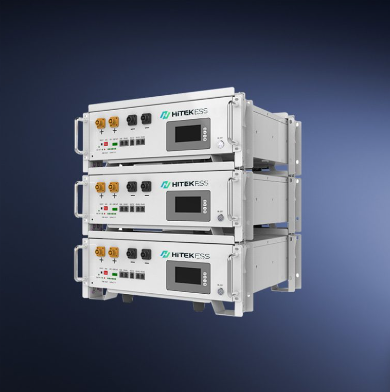
While improvements aid performance, elevated current demands pose persistent difficulties. Addressing them requires ongoing innovation.
Electrochemical Limitations at High Current Loads
Strong currents hinder ion movement across electrodes. Variations in concentration trigger polarization and potential drops. This lessens available capacity. Moreover, the electrolyte forfeits steadiness. Unwanted reactions hasten gas buildup or dense layer formation. These effects limit how far batteries can push without issues.
Safety Considerations During Fast Charging/Discharging Cycles
Risk of Overheating and Thermal Runaway
Excessive current elevates internal warmth swiftly. Without oversight, it exceeds secure thresholds. Such conditions may ignite thermal runaway. This involves a sequence of warmth reactions beyond control. Prevention relies on vigilant monitoring.
Degradation Pathways Accelerated by High Stress Conditions
Frequent high pressure induces small fractures in electrodes. Simultaneously, SEI layers expand per cycle. Eventually, this diminishes capacity and efficiency. Managing stress thus becomes central to long-term viability. Researchers explore ways to slow these processes through better designs.
Who Is HITEK ENERGY CO., LTD and What Makes Them a Reliable Lithium Battery Supplier?
HITEK ENERGY CO., LTD. stands out in the battery field. Their work supports various global needs.
Company Overview
HITEK ENERGY CO., LTD specializes in producing modern lithium batteries. HITEKESS caters to plant automation, electric movement, and green projects worldwide. With a focus on quality, they build trust among clients.
Technical Capabilities
The company delivers tailored answers for specific requirements. They handle C-rate aspects precisely. This results in consistent function across load variations. Their expertise shines in custom builds that meet exact specs.
Quality Assurance
Rigorous evaluations include charging/draining loops and pressure trials. HITEKESS assures dependable items for prolonged service. They fit essential roles requiring robustness and solid performance. Certifications and client feedback reinforce their standing.
Conclusion
C-rate directs nearly all elements of lithium battery behavior, spanning instant power provision to enduring resilience. Upholding suitable rates guarantees effective application without damaging structure or security across numerous contexts, including EV propulsion and grid balancing. Current efforts target superior electrode substances with improved conductivity, while intelligent BMS incorporates AI for anticipatory current shifts. Enhanced cooling methods will tolerate high C-rates better, enabling swift charging yet sustaining endurance to advance eco-friendly power networks globally.
Questions fréquentes
What happens if a lithium battery is charged at too high a C-rate?
Excessive speed in charging leads to warmth buildup from barriers. This may degrade the electrolyte. In worse cases, it triggers thermal runaway, endangering the setup. Always follow guidelines to avoid such dangers.
How do manufacturers determine the recommended C-rate for their batteries?
Producers perform controlled lab assessments. They track voltage responses to rising demands. This identifies secure boundaries that blend warmth stability with output aims. Testing ensures real-world reliability.
Can adjusting the C-rate improve battery lifespan?
Indeed. Employing moderate rates reduces chemical tension. It minimizes deterioration accumulation. Consequently, this prolongs usability and upholds strong energy handling across periods. Simple tweaks can make a big difference.
HITEKESS HIGH QUALITY LIFEPO4 BATTERIES
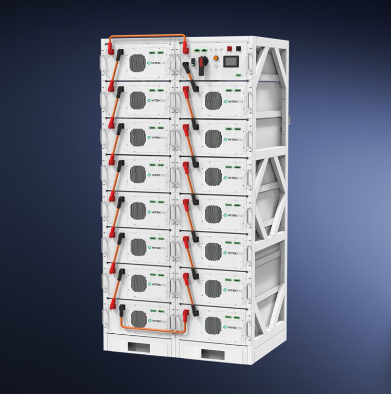
1. Hitek High Voltage 51.2V 48V 204.8V 256V Lithium Ion Best Solar Energy Storage Battery Set Price 20kwh 25kwh for Solar Power Storage
Model: HT-25HS
2. China Factory 5kwh 10kwh 24V 48V 100ah 200ah 300ah 400ah Lithium Ion 48V LiFePO4 Lithium Storage Solar Battery for Home Solar Energy Storage
Modèle: HT-30HS
3. Hitek High Voltage Rack Mounting Lithium Ion Battery 51.2V 280ah Battery Pack 100kwh 200kwh LiFePO4 Solar Energy Storage Batteries for Bess
Modèle: HTPK-51280H
4. Hitek Best Commercial LiFePO4 Lithium Battery Pack Hv Solar Power Storage Battery Storage 100kwh 200kwh 300kwh 51.2V 280ah 200.704kwh
Modèle: HTPK-51280H
5. Hitek Energy 300ah 48V 15 kVA Solar System LiFePO4 Battery 300ah 15 kVA Solar Panels Lithium Battery 48V 51.2V 100ah 200ah 280ah 300ah 10kw Home System Battery
Modèle: HT-15KWH